



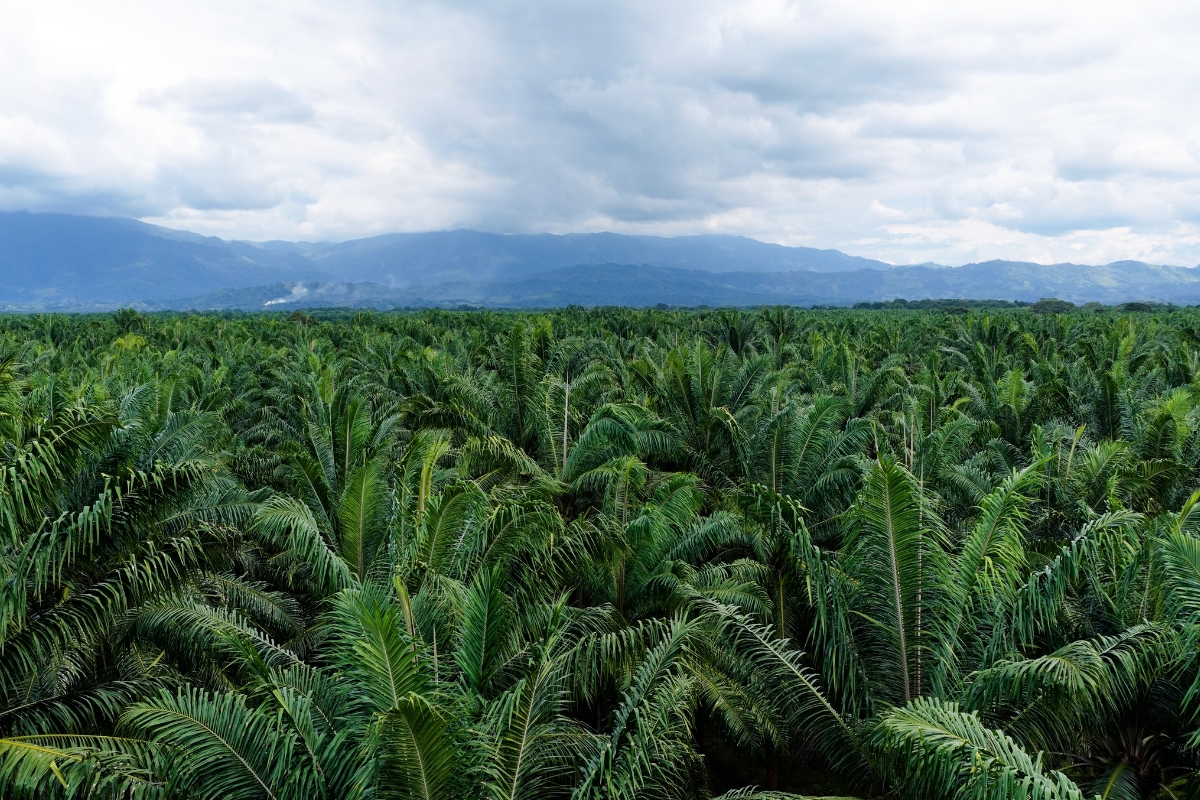
Governments around the world are searching for ways to reduce greenhouse gas emissions while supporting agricultural production. One approach receiving growing attention is carbon farming, a system that encourages farmers to adopt practices that capture and store carbon in soils and vegetation. Kerala has emerged as one of the states actively exploring this approach through programmes aimed at improving soil health and promoting climate-friendly farming methods.
The initiative focuses on increasing organic matter in agricultural soils through practices such as cover cropping, compost application, agroforestry, residue management, and reduced soil disturbance. These methods not only help store carbon but also improve soil fertility, water retention, and long-term productivity.
Researchers believe carbon farming could become an important part of future agricultural policy as climate change and soil degradation continue affecting farming systems.
Healthy Soils Store More Carbon
Soil contains one of the largest carbon reserves on Earth. When organic matter accumulates in the soil, carbon is stored rather than released into the atmosphere. Agricultural practices that increase organic matter therefore contribute to climate mitigation while improving soil quality.
The programme encourages farmers to adopt methods that build soil organic carbon over time. Scientists note that even small increases in soil carbon can improve nutrient availability, water retention, and crop resilience.
Healthy soils are increasingly viewed as an important climate solution.
Tree-based farming systems form an important component of the initiative. Agroforestry combines crops and trees within the same agricultural landscape, creating opportunities for carbon storage while generating additional farm income.
Trees capture carbon through photosynthesis and store it in biomass and soil. They also provide shade, improve biodiversity, and reduce erosion. Researchers studying climate-smart agriculture frequently identify agroforestry as one of the most effective methods for combining environmental and economic benefits.
Kerala’s farming systems are already well suited to tree-based agriculture because of the state’s diverse cropping patterns.
Many of the practices promoted under carbon farming have direct benefits for agricultural production. Compost application, residue incorporation, and cover cropping improve soil structure and increase microbial activity.
These improvements help crops access nutrients more efficiently and maintain productivity during periods of moisture stress. Farmers therefore benefit not only from environmental gains but also from stronger soil performance.
Agricultural scientists emphasise that carbon-rich soils are often more productive and resilient than degraded soils.
Climate Adaptation and Mitigation Work Together
Climate policies often focus on reducing emissions, while agricultural programmes focus on productivity. Carbon farming brings these objectives together by encouraging practices that support both goals simultaneously.
Fields with higher organic matter generally retain water more effectively and recover better from weather extremes. This helps farmers adapt to climate variability while contributing to broader environmental objectives.
Researchers believe future agricultural policies will increasingly combine climate adaptation and mitigation measures.
Globally, discussions are growing around carbon markets and environmental service payments. Although these systems are still developing in many regions, they could eventually create additional income opportunities for farmers who adopt carbon-storing practices.
Scientists caution that accurate measurement and verification systems are essential before such programmes can operate effectively. Even so, interest in agricultural carbon management continues to expand worldwide.
Many experts see carbon farming as a potential source of future rural income alongside conventional agricultural production.
Farming for Productivity and the Climate
Kerala’s efforts highlight a broader shift taking place in agriculture. Farmers are increasingly being recognised not only as food producers but also as managers of important natural resources.
Carbon farming demonstrates that agricultural land can contribute to climate solutions while remaining productive and profitable. Practices that improve soil health often generate benefits that extend well beyond individual farms.
For farmers, the initiative offers opportunities to improve productivity and resilience. For policymakers, it provides a pathway to integrate agriculture into climate action strategies.
As climate concerns continue growing, carbon farming is showing how the future of agriculture may depend as much on what happens below the soil surface as what grows above it.
Also Read: Punarnava Jal – The world’s first organic fertilizer! Know how it is beneficial for farmers?
Contact us – If farmers want to share any valuable information or experiences related to farming, they can connect with us via phone or whatsapp at 9599273766 or you can write to us at “kisanofindia.mail@gmail.com”. Through Kisan of India, we will convey your message to the people, because we believe that if the farmers are advanced then the country is happy.
You can connect with Kisan of India on Facebook, Twitter, and Whatsapp and Subscribe to our YouTube channel.