



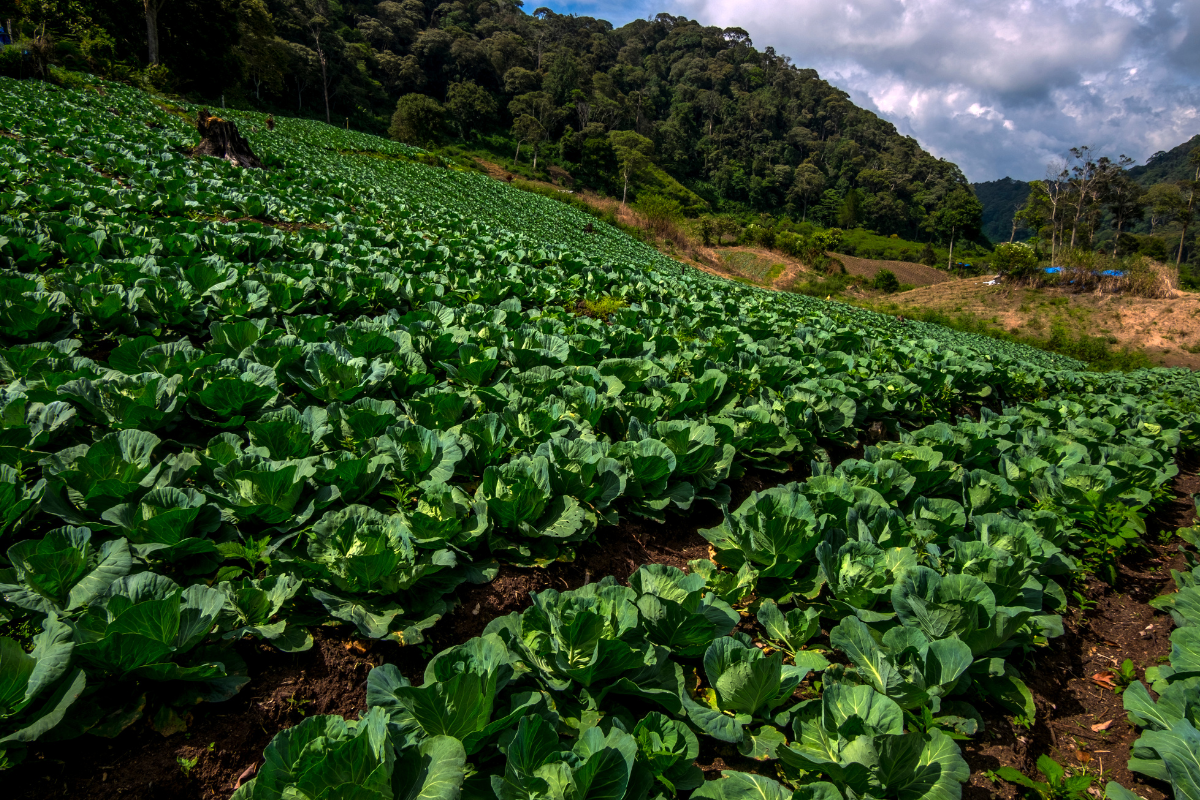
Farmers are increasingly looking beyond crop production to strengthen their incomes. Fluctuating market prices, rising cultivation costs, and climate-related risks have encouraged many producers to explore additional revenue streams that complement traditional farming activities. One approach gaining momentum is farm tourism, where agricultural operations become destinations for visitors interested in rural experiences.
Kerala has been actively promoting farm tourism through initiatives that connect agriculture with tourism and local entrepreneurship. The programme encourages farmers to open their farms to visitors, offering experiences that showcase cultivation practices, local food, traditional knowledge, and rural lifestyles.
The initiative is attracting attention because it allows farmers to earn income without significantly changing their existing agricultural activities. Instead, they create value by sharing their farming experience with tourists.
Most farming income depends on successful harvests and favourable market conditions. Farm tourism introduces an additional source of revenue that is not directly tied to crop prices. Visitors pay for experiences, guided tours, local food, educational activities, and farm stays.
This diversification reduces financial dependence on a single income source. Agricultural economists frequently note that multiple revenue streams improve business resilience, especially in sectors exposed to weather and market uncertainty.
For many farmers, tourism income helps balance fluctuations that occur during difficult agricultural seasons.
Many city residents have limited exposure to agriculture despite depending on farmers for food every day. Farm tourism provides an opportunity to learn about cultivation practices, food production systems, and rural culture directly from farmers.
Visitors often participate in harvesting activities, explore plantations, observe livestock management, and experience traditional farming techniques. This growing interest in authentic rural experiences is creating a new customer base for agricultural enterprises.
Researchers studying tourism trends have observed increasing demand for experiences that connect people with food production and local communities.
Direct Sales Improve Profitability
Farm tourism often creates opportunities for direct marketing. Visitors purchase fruits, vegetables, spices, processed foods, honey, and handicrafts directly from producers. This reduces dependence on intermediaries and allows farmers to capture a larger share of the final sale value.
Many farms also develop value-added products specifically for tourists. Packaged spices, pickles, fruit products, and traditional foods become additional income sources that complement agricultural production.
Development experts frequently highlight direct marketing as one of the most effective ways to improve farm profitability. Agriculture often struggles to attract younger generations because many perceive farming as financially uncertain. Farm tourism introduces new business opportunities that combine agriculture with hospitality, marketing, and entrepreneurship.
Young family members frequently manage visitor experiences, digital promotion, bookings, and customer engagement. These activities create roles that extend beyond traditional cultivation work while remaining connected to agriculture.
Researchers believe such diversification could help make farming more attractive to younger rural entrepreneurs.
The economic impact of farm tourism often extends beyond individual farms. Visitors spend money on transportation, local food, accommodation, handicrafts, and other services provided by nearby communities.
This creates broader rural economic activity and supports small businesses throughout the area. Community participation is therefore becoming an important component of successful farm tourism programmes.
Development specialists note that tourism initiatives tend to generate stronger results when benefits are distributed across local communities rather than concentrated in a few locations.
Farming and Tourism Growing Together
Kerala’s farm tourism initiative demonstrates how agriculture can evolve without abandoning its core purpose. Farmers continue producing food while creating additional value through education, hospitality, and direct engagement with consumers.
The model provides income diversification, strengthens rural economies, and helps urban consumers better understand agriculture. As interest in experiential tourism continues to grow, more farmers may explore similar opportunities.
Across Kerala, farms are becoming more than places where crops are grown. They are becoming destinations where visitors learn, experience, and connect with the people who produce their food.
Also Read: Punarnava Jal – The world’s first organic fertilizer! Know how it is beneficial for farmers?
Contact us – If farmers want to share any valuable information or experiences related to farming, they can connect with us via phone or whatsapp at 9599273766 or you can write to us at “kisanofindia.mail@gmail.com”. Through Kisan of India, we will convey your message to the people, because we believe that if the farmers are advanced then the country is happy.
You can connect with Kisan of India on Facebook, Twitter, and Whatsapp and Subscribe to our YouTube channel.