

PM-KUSUM 2.0 May Let Farmers Grow Crops and Generate Solar Power, How Will It Work?

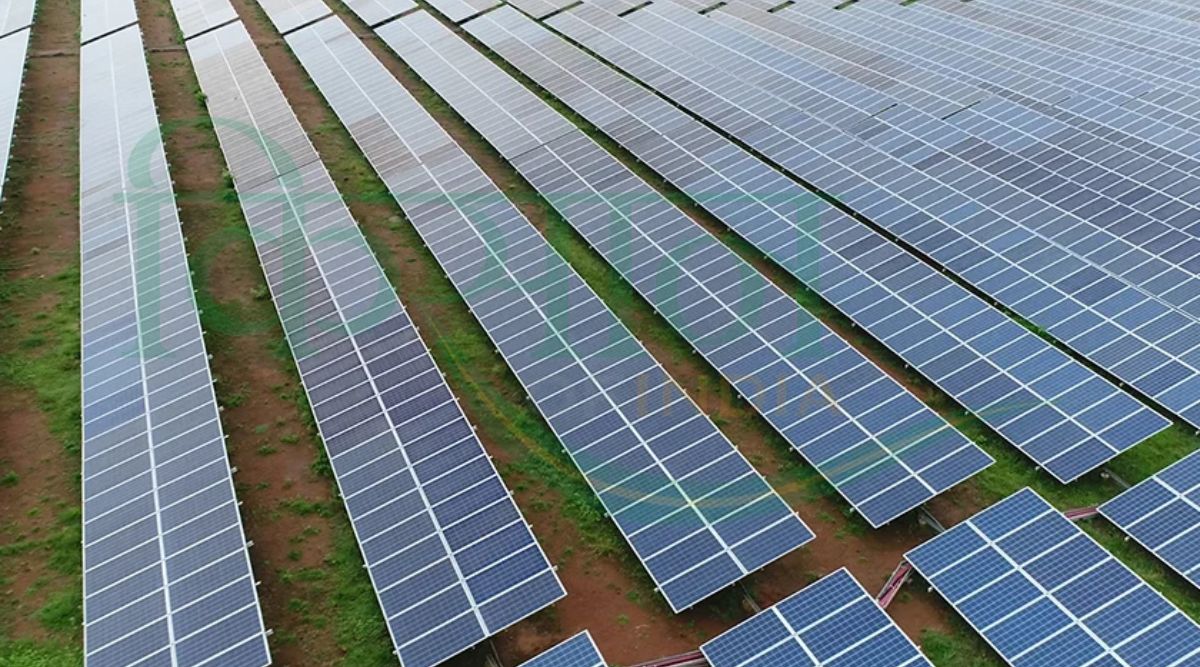
Farmers may soon get another way to earn from their land. The government is preparing the next phase of PM-KUSUM with a dedicated agrivoltaics component. The proposed model would allow farmers to continue cultivation while generating solar power from panels installed above agricultural land.
The idea is different from simply putting solar panels on unused land. Agrivoltaics combines crop production and solar generation on the same area. The government says the model will focus on small and marginal farmers, Farmer Producer Organisations, cooperatives and panchayats while keeping land ownership with farmers.
What Is Agrivoltaics?
Agrivoltaics means using agricultural land for both crop cultivation and solar power generation. Solar panels are installed at suitable heights and spacing so that crops can continue growing underneath or between the structures.
The arrangement needs careful planning because panels change the amount of sunlight reaching crops. Their height, spacing, direction and design can affect crop growth, farm machinery movement and the amount of electricity produced. The government says these combinations need to be tested for different crops and regions.
Research is already underway. At BAIF’s Rural Innovation Centre in Pune, researchers are testing 17 solar configurations across 30 crops. The work is examining factors such as panel height, spacing, tracking systems and structures that allow tractors and harvesters to operate in fields.
This research matters because one design may not work equally well everywhere. A crop grown in a hot and dry region may respond differently to partial shade than a crop grown in a cooler area. Farmers will need crop-specific information before investing in the model.
The government sees agrivoltaics as a possible way to create multiple income sources from the same land. A farmer could continue earning from crops while also earning from electricity generated by the solar installation. Solar power could also reduce expenditure on diesel-powered irrigation where the system supports farm energy needs.
Union Renewable Energy Minister Pralhad Joshi described the model as potentially creating three income streams from the same acre: crop income, electricity sales and savings from reduced diesel use. The actual returns, though, would depend on the project design, crop, electricity tariff, financing and operating costs.
Under the existing PM-KUSUM framework, farmers, groups of farmers, cooperatives, panchayats and FPOs can participate in decentralised renewable-energy projects. Component A allows grid-connected renewable-energy plants on farmer or group land, with electricity purchased by DISCOMs at tariffs approved by state regulators.
The proposed agrivoltaic component would be different because the same land would continue supporting agriculture. The government has said the next phase will focus on making this model suitable for small and marginal farmers, rather than limiting it to large landowners.
What Happens to the Existing PM-KUSUM Scheme?
PM-KUSUM already has three main components. Component A supports decentralised grid-connected renewable-energy plants. Component B supports standalone solar agriculture pumps, while Component C supports solarisation of existing grid-connected agricultural pumps and agricultural feeders.
The scheme has already reached substantial scale. The national PM-KUSUM portal reported 1,444.04 MW of installed capacity under Component A and 7,32,637 installed standalone solar pumps under Component B as of July 31, 2026. It also reported 8,566 individual grid-connected pumps solarised under Component C.
PM-KUSUM can also help farmers reduce dependence on diesel for irrigation. Under the existing Component C, farmers can use electricity generated from solar panels for irrigation and sell excess power to DISCOMs, subject to the scheme and state arrangements.
The proposed agrivoltaic model builds on this broader move toward solar energy in agriculture. The government has said the next phase will carry a dedicated agrivoltaics component, but the final rules, eligibility conditions and support structure have not yet been announced in full.
Which Crops Could Work Under Solar Panels?
Not every crop will suit agrivoltaics. Crops have different sunlight requirements, and the amount of shade created by solar panels can affect growth and yield. Researchers are therefore testing different crop-panel combinations rather than recommending one design for every farm.
Vegetables and other crops that can tolerate partial shade may have potential in some systems, but farmers should not assume that reduced sunlight will always improve crop performance. The outcome will depend on the crop, local climate, panel arrangement, irrigation and soil conditions.
Farm machinery is another issue. Panels and support structures need enough clearance for tractors, harvesters and other equipment. The government has specifically called for structures that allow farm machinery to move freely and can withstand local weather conditions.
Water management may also change. Panels can alter how rain reaches the soil and can create shaded areas with different evaporation rates. These effects could become useful in some conditions, but farmers need local trials before changing irrigation schedules or crop choices.
What Should Farmers Check Before Joining?
Farmers should first understand who will own the solar equipment and who will maintain it. They should also check whether the electricity will be sold to a DISCOM, used on the farm or handled through another approved arrangement. These details will determine the actual income from the project.
Land agreements need careful attention. The government has said the proposed model will ensure that land ownership remains with farmers. Farmers should still read any lease, partnership or project agreement carefully and understand the duration, payment terms, maintenance responsibilities and conditions for removing the equipment.
Farmers should also ask whether the proposed system has been tested for their crop and region. A solar structure that performs well in one location may not deliver the same results elsewhere. Local agricultural universities, ICAR institutes and Krishi Vigyan Kendras can help assess crop suitability as research develops.
The financial calculation should include installation costs, financing, insurance, maintenance, electricity revenue and possible changes in crop yield. Farmers should compare these figures with their existing farm income before committing land to a long-term solar project.
What Could PM-KUSUM 2.0 Mean for Farmers?
The proposed agrivoltaic component could give farmers another way to use agricultural land while creating a second source of income. It may be particularly useful for small farmers if project costs, financing and electricity purchase arrangements make the model financially workable.
But agrivoltaics is still developing in India. The government itself has called for more research on crop suitability, panel configurations and regional conditions. Farmers should therefore wait for clear guidelines and tested models instead of investing based only on claims about higher income.
For farmers, the opportunity is worth watching. The aim is not to replace farming with solar panels. It is to find ways for crops and solar generation to operate on the same land. If the final PM-KUSUM framework provides workable financing, clear contracts and suitable crop designs, agrivoltaics could give farmers another source of income without giving up cultivation.
Also Read: Punarnava Jal – The world’s first organic fertilizer! Know how it is beneficial for farmers?
Contact us – If farmers want to share any valuable information or experiences related to farming, they can connect with us via phone or whatsapp at 9599273766 or you can write to us at “kisanofindia.mail@gmail.com”. Through Kisan of India, we will convey your message to the people, because we believe that if the farmers are advanced then the country is happy.
You can connect with Kisan of India on Facebook, Twitter, and Whatsapp and Subscribe to our YouTube channel.