


How a Bihar Farmer Turned Mushroom Farming Into a Year-Round Income

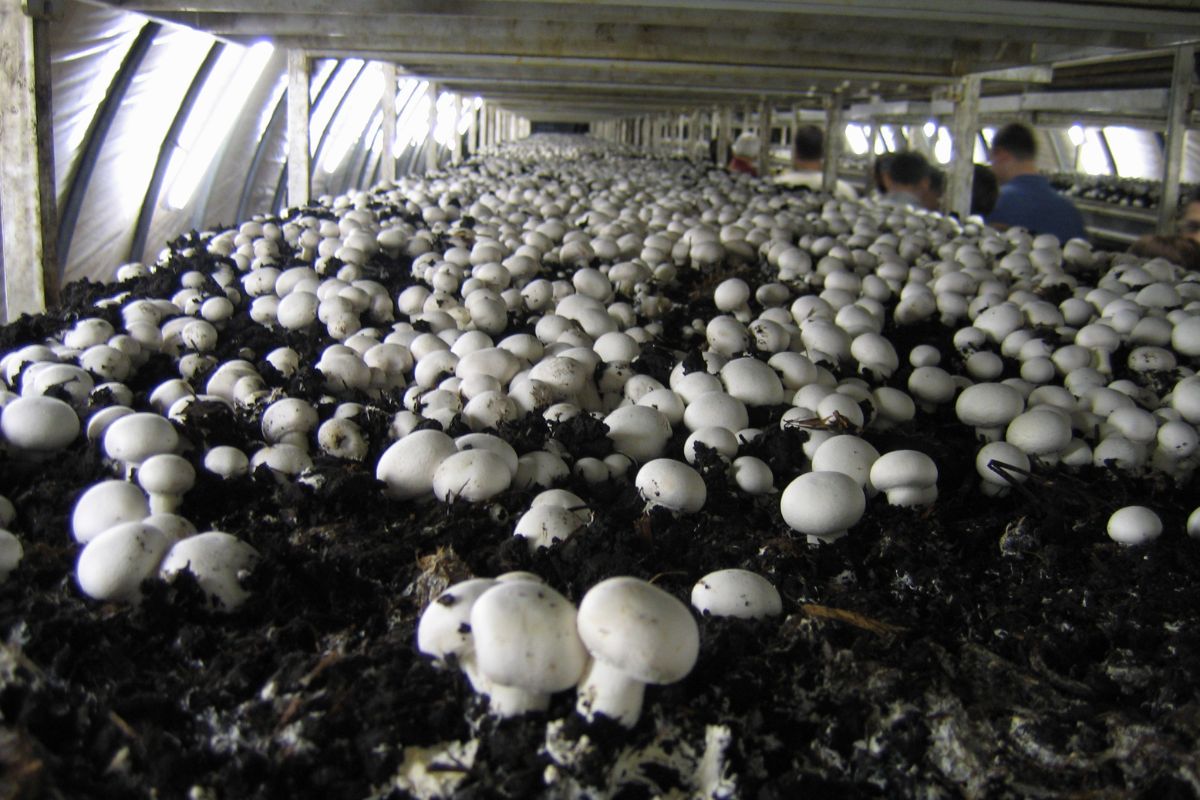
For many small farmers, adding another enterprise can provide income when field crops are between harvests. Mushroom cultivation is one option because it requires relatively little land and can be carried out in a protected growing space. ICAR has documented farmers who adopted mushroom cultivation after receiving technical training.
One such example is Bihar farmer Ramesh Kumar, who took up mushroom cultivation after training and gradually expanded production. His experience shows why training, suitable growing conditions and access to markets are important when farmers enter a crop enterprise that differs from conventional field agriculture.
Mushroom cultivation does not require large agricultural landholdings, but it needs close attention to temperature, humidity, cleanliness and substrate preparation. Farmers considering the enterprise should first learn the production cycle and calculate local demand before investing in a growing unit.
How the Farmer Built the Enterprise
1. Start with technical training
Mushroom production can fail when contamination spreads through the growing material. Training helps farmers understand substrate preparation, spawn handling, hygiene and environmental requirements. ICAR institutes and Krishi Vigyan Kendras conduct training programmes for farmers interested in mushroom cultivation.
Farmers should choose training that covers the particular mushroom they intend to grow. Oyster, button and milky mushrooms have different temperature and production requirements. Learning one production system properly is safer than purchasing equipment before understanding the crop.
2. Select the mushroom according to local conditions
The choice of mushroom should depend on local temperature, infrastructure and market demand. Oyster mushrooms are often considered suitable for small-scale production because some production systems can operate with relatively simple structures. Farmers still need to maintain appropriate temperature and humidity for the strain they use.
Do not choose a mushroom solely because its market price appears high. Prices can fall when supply increases, while unsold fresh mushrooms can deteriorate quickly. Farmers should first identify buyers such as local retailers, restaurants, wholesalers or consumers and estimate how much they can sell each week.
3. Use clean growing material
Agricultural residues such as straw can serve as substrate for certain mushroom species after appropriate preparation. The material must be clean and prepared according to the production method. Poor-quality substrate or inadequate sterilisation or pasteurisation can encourage contamination and reduce production.
Farmers should obtain spawn from a reliable source and check its quality before starting a batch. Keep contaminated bags separate from healthy ones and remove failed batches promptly. Clean working areas, equipment and hands are important because mushroom production is highly sensitive to contamination.
Turning Production Into Income
4. Stagger production batches
Producing everything at once can create a marketing problem because mushrooms have a short shelf life. Farmers can divide production into batches and schedule them according to expected demand. This can create a more regular supply and reduce the risk of having a large quantity ready for sale simultaneously.
Keep a simple production calendar showing when substrate is prepared, spawn is introduced, mushrooms are expected and orders need to be collected. This makes it easier to coordinate labour and sales. The exact timing varies with mushroom species, strain and growing conditions.
5. Sell locally before expanding
Fresh mushrooms are perishable, so nearby buyers can be valuable for small producers. Farmers can begin by supplying households, shops, restaurants and local markets. Direct sales may reduce dependence on intermediaries, but they also require time for packaging, delivery and customer communication.
Before increasing production, calculate the quantity that existing buyers can absorb. A farmer who doubles production without securing additional customers may face unsold stock. Regular buyers can also provide information about preferred size, packaging and delivery schedules.
6. Convert surplus into other products
When fresh mushrooms cannot be sold quickly, processing can extend their usability. Depending on the mushroom and available facilities, farmers may explore drying, powder or other value-added products. Any processed food must comply with applicable food-safety and labelling requirements.
Processing should not be treated as a guaranteed way to raise profits. Drying equipment, packaging, electricity, labour and certification can add costs. Farmers should compare the expected price of processed products with the value of fresh mushrooms before investing in a separate processing unit.
7. Use farm residues carefully
Mushroom cultivation can make use of agricultural residues that might otherwise have limited value. After the production cycle, spent mushroom substrate may also have potential as a soil amendment or compost ingredient, depending on the material and production system.
Farmers should check whether the spent substrate is suitable for their intended use and whether it requires further composting. They should avoid applying material contaminated with pathogens or chemicals. Safe residue management can help reduce waste while creating another potential use from the production cycle.
Calculate the Business Before Scaling Up
Mushroom farming can provide income from a small space, but it is not a low-effort business. Farmers need to budget for spawn, substrate, bags, labour, water, electricity, growing structures, packaging and transport. Contamination and unsold produce can also reduce returns.
Start with a small batch and record production, losses, labour, sales and net income. If the first cycles perform well and buyers remain available, production can be expanded gradually. Farmers should also contact their KVK, horticulture department or mushroom research centre for locally suitable technical guidance.
The main lesson from successful mushroom enterprises is not simply to grow more mushrooms. Farmers need technical knowledge, clean production, reliable spawn, suitable growing conditions and a market before scaling up. A small, well-managed unit can provide a safer starting point than investing heavily at the beginning.
Also Read: Punarnava Jal – The world’s first organic fertilizer! Know how it is beneficial for farmers?
Contact us – If farmers want to share any valuable information or experiences related to farming, they can connect with us via phone or whatsapp at 9599273766 or you can write to us at “kisanofindia.mail@gmail.com”. Through Kisan of India, we will convey your message to the people, because we believe that if the farmers are advanced then the country is happy.
You can connect with Kisan of India on Facebook, Twitter, and Whatsapp and Subscribe to our YouTube channel.
