


How a Punjab Farmer Uses Five Acres to Earn Year-Round Income Through Vegetable Nurseries

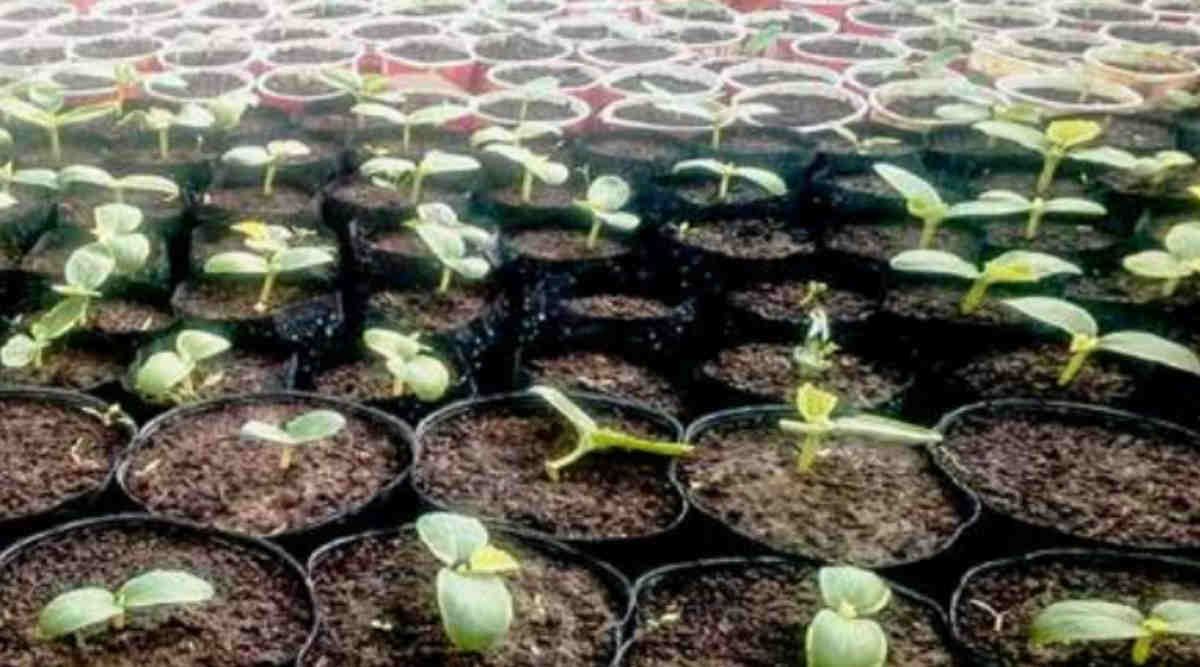
Manpreet Singh, a 34-year-old farmer from Rahim Ke Uttar village in Punjab’s Ferozepur district, has built a diversified farming enterprise on five acres. Instead of depending on one crop, he combines vegetable nurseries, paddy and Basmati seedlings, short-duration crops, garlic cultivation and dairy farming.
According to The Indian Express, Singh estimates that his farming model generates ₹6–7 lakh per acre annually. He divides his five acres into 40 kanals and plans their use around crop duration, planting schedules and market demand. These figures are his estimates, not guaranteed returns for other farmers.
Singh began farming alongside his father in 2007, when he was 15. The family initially cultivated vegetables, wheat and paddy on leased land. His shift towards nursery production began in 2020, when he started raising onion seedlings on just 10 marlas, or one-sixteenth of an acre.
As demand grew, he expanded the nursery operation. He now raises seedlings of onion, garlic, cauliflower, chillies, capsicum, pumpkin, bottle gourd, bitter gourd and cucumber. The business serves around 250 customers, mainly farmers who prefer buying ready-to-transplant seedlings instead of maintaining their own nurseries.
How He Uses the Same Land More Than Once
Singh plans nursery production around the agricultural calendar. He raises vegetable seedlings under low tunnels from January, selling them when farmers begin transplanting in March. After allowing the land to rest briefly, he prepares it for another crop or nursery cycle.
Most vegetable nursery cycles take 30–35 days, depending on the variety. Onion seedlings need around 60–70 days, while vegetable crops generally take two-and-a-half to four months. A second nursery season runs from July or August through December, allowing the farm to earn from different planting windows.
Paddy and Basmati seedlings form another major part of the business. Singh uses around 2.25 acres for nursery production, raising seedlings of 15–16 rice varieties. By using the land twice during the nursery season, he says the operation supplies seedlings for approximately 400–600 acres of farmland.
After nursery production ends, he brings the same land under short-duration paddy or Basmati cultivation. This approach allows him to earn from selling seedlings and then use the field for grain production. The method requires careful scheduling, suitable varieties and access to buyers who need seedlings at the right time.
What Do the Numbers Show?
Singh estimates that one acre of paddy nursery production can generate a margin of around ₹800 per marla per cycle. His calculation assumes expenditure of approximately ₹700 per marla and sales of around ₹1,500 per marla. Repeated nursery cycles can increase annual earnings from the same area.
He estimates that nursery production can generate around ₹2.25 lakh per acre, with subsequent short-duration paddy or Basmati cultivation adding another ₹60,000–₹65,000. Together, these activities may produce returns of about ₹3 lakh per acre over more than five months, according to his calculations.
The farm also grows garlic and cucumber. Singh says garlic can generate substantial returns when prices are favourable, while three kanals of cucumber may yield ₹70,000–₹80,000 after expenses in a 70–80-day crop cycle. Such earnings depend on market prices, yields, input costs and disease management.
These estimates should not be treated as fixed income targets. Nursery production requires reliable seed, healthy seedlings, water, labour and timely sales. A farmer who cannot sell seedlings before the transplanting window may lose income, while changes in market prices can affect returns from vegetables and garlic.
Water Management and Dairy Add Another Income Source
Singh uses drip irrigation on most of his land to manage water use. His farm employs around 12 people, including three permanent workers and additional labourers when required. The operation shows that diversified farming also needs planning for labour, irrigation, crop schedules and daily management.
Alongside crop cultivation, Singh maintains around 10–12 Murrah buffaloes. He places emphasis on maintaining the quality of the dairy enterprise rather than expanding the herd without a clear plan. His farming model recently earned him the Sardar Ujagar Singh Dhaliwal Award from Punjab Agricultural University.
Farmers interested in nursery production should first check demand among nearby growers. They can speak with farmers about which vegetables they cultivate, when they need seedlings and which varieties perform well locally. Starting with a small nursery allows them to test demand before investing in tunnels, trays, irrigation or additional land.
Crop timing is equally important. Farmers should choose varieties that fit the local planting calendar and leave enough time for field preparation between cycles. They should also calculate seed, growing media, labour, irrigation, transport and unsold-seedling costs before estimating profit.
The model may not suit every region or farm. It depends on reliable water, nearby customers, suitable temperatures, access to quality seed and enough labour during busy periods. Farmers can seek guidance from their local Krishi Vigyan Kendra or agriculture department before establishing a commercial nursery.
Manpreet Singh’s experience shows how planned crop cycles and nursery sales can help a farmer earn from limited land. His approach is not simply about growing more crops, but about matching each activity to the available season and market. Farmers should test local demand and calculate costs before adopting a similar model.
Also Read: Punarnava Jal – The world’s first organic fertilizer! Know how it is beneficial for farmers?
Contact us – If farmers want to share any valuable information or experiences related to farming, they can connect with us via phone or whatsapp at 9599273766 or you can write to us at “kisanofindia.mail@gmail.com”. Through Kisan of India, we will convey your message to the people, because we believe that if the farmers are advanced then the country is happy.
You can connect with Kisan of India on Facebook, Twitter, and Whatsapp and Subscribe to our YouTube channel.