



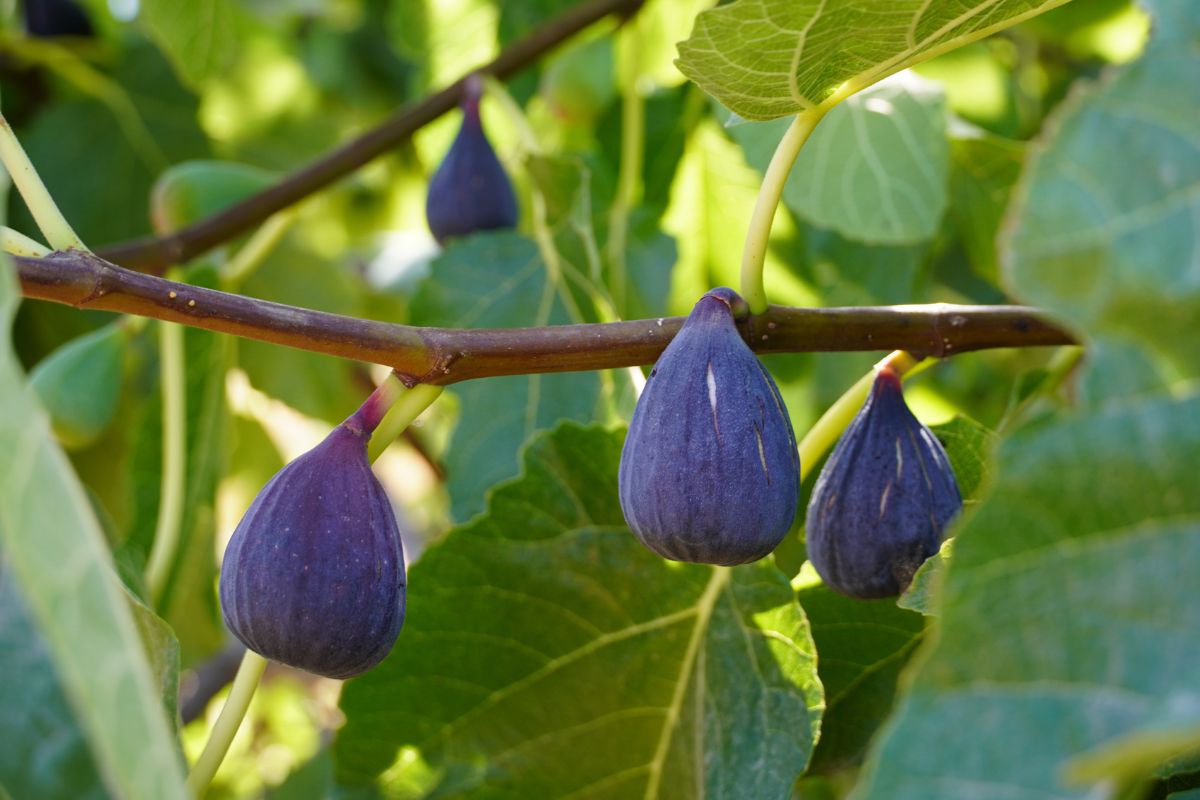
In Maharashtra’s fig-growing belt, farmers often face a familiar challenge. Fresh figs are highly perishable and must reach markets quickly. During peak harvest periods, oversupply can reduce prices, forcing growers to sell produce at rates that barely cover production costs.
For years, large quantities of fruit were wasted or sold cheaply because farmers lacked processing options.
One woman entrepreneur decided to tackle that problem differently.
Instead of focusing only on fresh fruit sales, she began experimenting with fig-based value-added products. After months of trials and small-scale production, she developed a commercial fig vinegar business that transformed surplus harvests into a premium product with a much longer shelf life.
The enterprise created a new market for local growers while demonstrating how agricultural waste can become a profitable business opportunity.
Fresh figs have a very short marketing window. Farmers must sell the fruit quickly after harvest or risk spoilage. This creates pressure during peak production periods when supply exceeds local demand.
The entrepreneur observed that even high-quality fruit often failed to generate satisfactory returns because of market fluctuations. She realised the issue was not production but perishability.
Processing offered a potential solution.
By converting fresh fruit into a shelf-stable product, farmers could reduce losses and access markets beyond their immediate region. The challenge was finding the right product.
Turning Surplus Fruit Into a Premium Product
The entrepreneur began researching traditional fermentation methods and fruit-processing techniques.
After several experiments, she developed a process for producing natural fig vinegar. The product retained the flavour characteristics of the fruit while gaining a shelf life measured in months rather than days.
This transformation changed the economics of the crop.
Fruit that might otherwise be discarded could now become a value-added product with significantly higher market potential. Processing also reduced dependence on daily market prices.
The business gradually expanded as consumer awareness increased.
A local challenge became a commercial opportunity.
Producing a quality product was only the first step. The entrepreneur invested considerable effort in packaging, branding, and consumer education. Many buyers were unfamiliar with fig vinegar and needed to understand how it differed from conventional alternatives.
Food exhibitions, farmer markets, and direct sales channels played important roles in building awareness. Over time, demand expanded beyond local markets. Health-conscious consumers, specialty food retailers, and restaurants became important customers.
The business demonstrated that successful agri-enterprises often depend as much on marketing as production.
Visibility created value.
Farmers Benefited From Additional Markets
As the enterprise grew, demand for processing-grade figs increased.
Farmers gained a new outlet for fruit that might not meet premium fresh-market standards but remained suitable for processing. This helped improve overall returns from cultivation.
The model also reduced post-harvest losses.
Instead of wasting surplus production during peak seasons, growers could sell fruit into the processing chain. The result was greater income stability and improved resource utilisation.
Agricultural economists frequently highlight value addition as a pathway to stronger rural economies.
The fig vinegar business provides a practical example.
The success of the venture reflects a broader trend in Indian agriculture. Increasing numbers of women are building businesses around food processing, branding, and value-added products. These enterprises often begin with local crops and traditional knowledge before expanding into larger markets.
Processing businesses can be particularly attractive because they allow entrepreneurs to generate value without requiring large landholdings.
The fig vinegar enterprise shows how innovation can emerge from identifying overlooked opportunities within existing farming systems.
The idea was simple.
The execution made the difference.
A New Future for an Old Crop
Figs have been cultivated in parts of India for generations.
What changed was the way one entrepreneur viewed the crop. Rather than seeing surplus fruit as a problem, she saw it as raw material for a new business.
Today, the enterprise supports growers, reduces waste, and creates value from a highly perishable agricultural product. It demonstrates how processing and branding can reshape the economics of farming.
For many producers, the lesson is clear.
Agricultural success does not always come from growing more.
Sometimes it comes from finding a better use for what is already being grown.
Also Read: Punarnava Jal – The world’s first organic fertilizer! Know how it is beneficial for farmers?
Contact us – If farmers want to share any valuable information or experiences related to farming, they can connect with us via phone or whatsapp at 9599273766 or you can write to us at “kisanofindia.mail@gmail.com”. Through Kisan of India, we will convey your message to the people, because we believe that if the farmers are advanced then the country is happy.
You can connect with Kisan of India on Facebook, Twitter, and Whatsapp and Subscribe to our YouTube channel.