


Dairy Farmers Are Growing Azolla as Cattle Feed, Can It Cut Feed Costs?

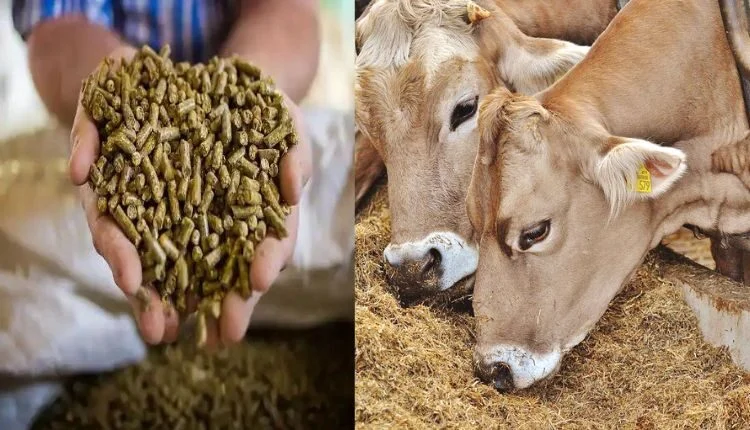
Feed is one of the biggest recurring costs for dairy farmers. Green fodder and concentrate prices can put pressure on returns, especially for small farms. Azolla, a small floating water fern, is gaining attention as a low-cost supplementary feed because it grows quickly and contains useful protein, minerals and vitamins.
ICAR scientists recently promoted Azolla cultivation among farmers in Nadia, West Bengal. A training programme held in July 2026 demonstrated multiplication, portable Azolla bags, nutrient management, harvesting and maintenance. Farmers also received starter cultures and inputs so they could begin production on their own farms.
Azolla can be grown in relatively small spaces using simple production structures. An ICAR-NIANP study developed a method using harvested rainwater in PVC ponds. The researchers reported that Azolla could be grown without adding soil or dung, making the system suitable for farmers who have limited land available for fodder production.
The fern also contains more than 23% crude protein on a dry-matter basis, along with essential amino acids and minerals. This makes it useful as a supplement to the normal cattle ration. Farmers should still provide a balanced diet containing adequate roughage, energy, minerals and other nutrients.
Can Azolla increase milk production?
Research from ICAR-NIANP has found encouraging results. In one field evaluation, cows received about 1.1 kg of fresh Azolla daily for seven weeks along with their regular ration. Average milk production increased by about 0.6 litres per cow per day, while average milk fat increased from 3.3% to 3.5%.
Another ICAR study published in 2025 examined Azolla grown with rainwater. Researchers reported that feeding one kilogram of fresh Azolla daily increased average milk production by about half a litre per cow and improved milk fat. These results show potential, but individual responses can vary with breed, ration and farm conditions.
Research has also examined Azolla feeding in buffaloes. A field study in Neemuch, Madhya Pradesh, supplemented conventional rations with two kilograms of fresh Azolla for lactating buffaloes. The supplemented animals produced about 0.9 litres more milk per day than the control group during the study.
These findings do not mean every cow or buffalo will produce the same additional milk. Feed quality, animal health, lactation stage, genetics and the rest of the ration all influence production. Farmers should therefore introduce Azolla gradually and monitor milk yield, feed intake and animal condition rather than expecting a fixed increase.
How can farmers grow Azolla?
Azolla needs a shallow water-growing structure placed in a suitable location. Farmers can use lined pits, tanks, trays or portable bags depending on available space and resources. The growing area should receive suitable light while being protected from excessive heat, strong winds and contamination.
The ICAR-NIANP rainwater method used PVC ponds measuring about 12 feet by four feet. Farmers received ready-to-use ponds and learned how to maintain the crop. The study found that harvested rainwater could support Azolla growth without routine additions of soil, dung or phosphorus.
Regular harvesting is important because overcrowded Azolla can affect further growth. Farmers should maintain clean water and remove unwanted material from the production unit. Fresh Azolla should also be handled hygienically before feeding. Poorly maintained growing water can contaminate the feed and create problems for livestock.
ICAR advisories have suggested about one to 1.5 kilograms of Azolla as a daily supplement in cattle rations for reducing feed costs. The exact amount should depend on the animal and its existing diet. Farmers should follow advice from a veterinarian or livestock expert when changing the ration.
Is Azolla suitable for every dairy farm?
Azolla can be useful where farmers have limited space, access to water and the labour needed to maintain a small production unit. It can also fit into integrated farms because the same farm may use Azolla for livestock while producing crops and other farm products.
But farmers should calculate the actual cost before starting. Expenses can include the growing structure, starter culture, water management, nutrients, labour and replacement of damaged units. A technology described as low-cost is not automatically profitable on every farm. Local conditions and regular maintenance determine whether the system makes economic sense.
Farmers should also avoid replacing the complete ration with Azolla. Its high water content means fresh Azolla contains relatively little dry matter compared with many conventional feeds. It works best as a supplementary feed within a properly balanced ration rather than as the sole source of nutrition.
For small dairy farmers, the biggest advantage may be the ability to produce part of the supplementary feed on the farm. When grown successfully, Azolla can provide an additional protein source from a small area. Farmers should start with a manageable unit, track costs and milk production, and expand only after seeing consistent results.
Also Read: Punarnava Jal – The world’s first organic fertilizer! Know how it is beneficial for farmers?
Contact us – If farmers want to share any valuable information or experiences related to farming, they can connect with us via phone or whatsapp at 9599273766 or you can write to us at “kisanofindia.mail@gmail.com”. Through Kisan of India, we will convey your message to the people, because we believe that if the farmers are advanced then the country is happy.
You can connect with Kisan of India on Facebook, Twitter, and Whatsapp and Subscribe to our YouTube channel.