


Mastitis in Dairy Cows: 7 Steps Farmers Can Take to Protect Udder Health and Milk Yield

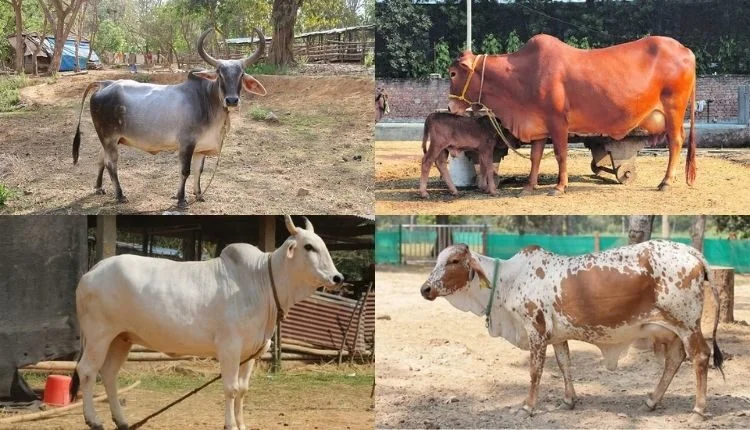
Mastitis is an inflammation of the udder that can reduce milk production, affect milk quality and increase veterinary costs. The Department of Animal Husbandry and Dairying issued a national strategy on mastitis prevention and control in February 2026, highlighting hygiene, nutrition, management and early diagnosis.
Why farmers should watch for mastitis
Mastitis can appear as a clinical infection with visible changes in the udder or milk. It can also remain subclinical, meaning the animal may show no obvious signs while the infection affects milk production and quality.
The department’s strategy says subclinical mastitis is particularly important in India. It estimates prevalence can range from 10% to 50% in cows and 5% to 20% in buffaloes, compared with lower reported levels for clinical mastitis.
1. Keep the milking area clean
Dirty floors, manure and contaminated bedding can expose the udder to disease-causing organisms. Farmers should regularly remove manure and keep the animal’s resting and milking areas as clean and dry as possible.
Environmental pathogens can survive in manure, bedding and unclean housing. The national strategy identifies poor housing hygiene as an important factor that can increase the risk of infection in dairy animals.
2. Wash hands before milking
Milkers can transfer microorganisms between animals if their hands are dirty. Hands should be cleaned before milking, particularly when moving from one animal to another.
Equipment also needs regular cleaning and sanitation. ICAR’s dairy-farm guidance recommends pre- and post-milking teat dipping along with equipment sanitation as part of clean milk production and udder-health management.
3. Use pre- and post-milking teat dips
Teat dipping is an important preventive measure because it can reduce contamination around the teat opening. ICAR’s farmer advisories recommend both pre- and post-milking teat dips for mastitis prevention.
Farmers should use an appropriate product according to veterinary or dairy-extension advice and follow its directions. Good teat-dipping practice should be combined with clean hands, clean equipment and proper milking hygiene rather than treated as a standalone solution.
4. Check the udder every day
Farmers should look for swelling, heat, pain, changes in milk appearance or a sudden fall in milk production. These signs can indicate clinical mastitis and should not be ignored.
Subclinical mastitis is more difficult to identify because the udder and milk may appear normal. Veterinary testing can help identify hidden infections. Early detection allows farmers to seek appropriate treatment before the condition causes greater production losses.
5. Separate sick animals during milking
Some mastitis-causing organisms can spread from one animal to another during milking. The Department of Animal Husbandry and Dairying identifies contagious pathogens such as Staphylococcus aureus and Streptococcus agalactiae as important causes of infection.
Farmers should follow veterinary advice on managing infected animals and avoid practices that transfer contaminated milk, equipment or hands between animals. Maintaining clean milking equipment is particularly important where several animals are milked using shared equipment.
6. Provide balanced nutrition
Animal nutrition affects health and the ability of dairy animals to maintain production. Farmers should provide balanced rations according to the animal’s age, body condition, milk yield and physiological stage.
The national mastitis strategy identifies balanced nutrition as one part of an integrated approach to mastitis prevention. Farmers should consult a veterinarian or livestock nutrition expert when changing the ration, especially for high-producing dairy animals.
7. Call a veterinarian when symptoms appear
Farmers should not rely on home treatment when an animal develops abnormal milk, udder swelling, fever, severe pain or a sudden decline in milk production. Veterinary examination is needed to determine the cause and appropriate treatment.
The national strategy emphasises prevention, early diagnosis and appropriate treatment. Unnecessary or incorrect use of antibiotics can also create problems, so farmers should follow veterinary instructions and observe the required milk-withdrawal period after treatment.
Why subclinical mastitis needs attention
Subclinical infections can remain unnoticed because farmers may not see obvious changes in the udder or milk. Yet these infections can affect milk production and create economic losses over time.
Regular monitoring can help identify animals that need examination. Dairy farmers can ask veterinary services about suitable mastitis screening methods, particularly when milk yield falls without an obvious reason or repeated udder problems occur in the herd.
Housing also affects udder health
The animal’s surroundings can influence exposure to environmental pathogens. Wet bedding, accumulated manure and poor ventilation can create conditions that increase contamination around the udder.
Farmers should keep resting areas clean and dry, remove manure regularly and maintain suitable ventilation. Clean housing also supports broader livestock-health goals by reducing exposure to pathogens beyond those responsible for mastitis.
Mastitis can increase treatment expenses, reduce milk production and affect animal welfare. Preventive practices are usually easier to maintain than dealing with repeated infections after they occur.
The Department of Animal Husbandry and Dairying’s 2026 strategy calls for a combined approach involving hygiene, management, nutrition, prevention, diagnosis and farmer education. This makes daily milking practices an important part of dairy herd health.
Mastitis is a major dairy-health problem that farmers can partly control through better hygiene, teat dipping, clean housing, regular udder checks and balanced nutrition. Early veterinary attention is important when symptoms appear. Consistent prevention can protect animal health, reduce treatment costs and help farmers maintain milk production.
Also Read: Punarnava Jal – The world’s first organic fertilizer! Know how it is beneficial for farmers?
Contact us – If farmers want to share any valuable information or experiences related to farming, they can connect with us via phone or whatsapp at 9599273766 or you can write to us at “kisanofindia.mail@gmail.com”. Through Kisan of India, we will convey your message to the people, because we believe that if the farmers are advanced then the country is happy.
You can connect with Kisan of India on Facebook, Twitter, and Whatsapp and Subscribe to our YouTube channel.