


Mineral Mixture for Dairy Animals: 7 Ways Farmers Can Use It to Support Herd Health

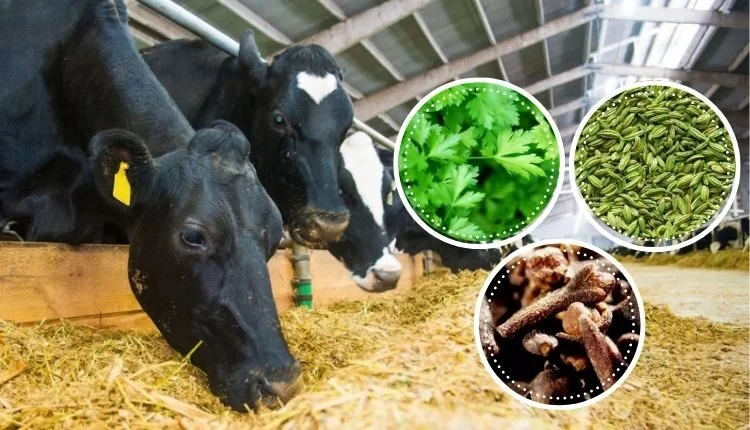
Dairy animals need minerals along with energy, protein, fibre, vitamins and water. Calcium, phosphorus, sodium, magnesium and trace minerals support functions including bone development, reproduction, metabolism and milk production. Animals may not always show obvious signs when their diet is short of a particular mineral.
The Indian Council of Agricultural Research recommends balanced feeding as an important part of scientific dairy management. Farmers should not treat mineral mixtures as a replacement for good-quality fodder and concentrate feed. Supplementation works best when it addresses gaps in the animal’s overall ration.
7 Things Dairy Farmers Should Know
1. Use a Product Suitable for the Animal
Mineral mixtures are not identical. Their composition can differ according to the target animal, production stage and regional feeding conditions. Farmers should select products intended for dairy cattle or buffaloes and follow the manufacturer’s feeding instructions.
Buying a product only because another farmer uses it can lead to inappropriate supplementation. Farmers should consider the animal’s age, milk production, pregnancy status, available fodder and concentrate ration before deciding on a mineral supplement.
2. Do Not Ignore the Basic Feed
A mineral mixture cannot compensate for poor-quality fodder or inadequate energy and protein. Dairy animals need sufficient green fodder, dry fodder and concentrate according to their production requirements. Clean drinking water should also be available throughout the day.
Farmers should first look at the complete ration. If animals are losing body condition, producing less milk or showing poor reproductive performance, the cause may involve several nutritional or management factors rather than a mineral deficiency alone.
3. Follow the Recommended Quantity
More mineral mixture does not automatically mean better animal health. Farmers should follow the recommended dose on the product label or advice provided by a veterinarian or livestock specialist. Excessive intake of certain minerals can also create nutritional problems.
The appropriate amount can vary according to the formulation and animal category. Farmers should avoid estimating doses with household spoons or changing the quantity repeatedly without guidance. A consistent feeding routine makes it easier to monitor the animals.
4. Consider Different Production Stages
Nutrient requirements change during growth, pregnancy, lactation and the dry period. A high-yielding dairy animal may have different requirements from a growing heifer or a non-lactating adult animal.
Farmers should therefore discuss ration changes with a veterinary officer or animal nutrition specialist when animals enter a new production stage. This is especially useful around calving, when changes in nutrition and management can affect animal health and subsequent milk production.
5. Watch for Signs of Nutritional Problems
Poor growth, reduced production, reproductive problems, changes in appetite and abnormal bone development can have nutritional causes, but these signs are not specific to mineral deficiency. Farmers should avoid diagnosing the problem solely from symptoms.
If several animals show similar problems, the farmer should seek veterinary advice and review the ration. Where appropriate, a professional may recommend feed or mineral analysis before changing supplementation. Correct diagnosis can prevent unnecessary spending on unsuitable products.
6. Store Mineral Mixtures Properly
Mineral products should be stored according to the manufacturer’s instructions. Moisture, heat and contamination can affect the quality of feed supplements. Farmers should keep packets closed, use them before their expiry date and prevent animals from accessing stored products directly.
Farmers should also keep mineral supplements away from pesticides, fertilisers and other farm chemicals. Separate storage reduces the risk of accidental contamination and makes it easier to maintain a clean feeding area.
7. Seek Veterinary Advice for Persistent Problems
Mineral supplementation should be part of a broader animal-health plan. If an animal has persistent weakness, poor appetite, low milk production, reproductive problems or other unusual symptoms, farmers should consult a veterinarian instead of increasing the mineral dose themselves.
Veterinary services can help distinguish nutritional problems from infections, metabolic disorders, parasites or other causes. Early diagnosis can prevent a manageable problem from becoming a larger loss for the dairy farmer.
Mineral Management Is Part of Balanced Feeding
Farmers often focus on milk yield when evaluating feed, but animal nutrition also affects growth, reproduction and general health. A balanced ration should provide sufficient nutrients for maintenance and production while avoiding unnecessary feed costs.
The National Dairy Development Board’s ration balancing approach has demonstrated the value of adjusting feed according to an animal’s requirements and the nutrients available from locally used feed resources. Farmers can use this principle rather than relying on a fixed ration for every animal.
A practical feeding plan should account for the animal’s body weight, milk production, stage of pregnancy or lactation, available fodder and concentrate ingredients. Mineral supplementation can then be adjusted as part of the overall ration rather than treated as a separate solution.
Avoid Unnecessary Supplementation
Farmers sometimes add several commercial supplements at the same time after hearing recommendations from other producers or sellers. This can increase costs without addressing the actual nutritional problem. Different products may also contain overlapping minerals.
Before purchasing multiple supplements, farmers should list everything already included in the ration. A veterinarian, KVK livestock specialist or animal husbandry officer can help identify whether supplementation is needed and which product is appropriate.
Good dairy nutrition begins with adequate fodder, clean water and a balanced ration. Mineral mixtures can fill specific nutritional gaps when used correctly, but they should not replace proper feeding or veterinary care.
Mineral mixtures can support dairy animal nutrition when they are selected and fed according to the animal’s requirements. Farmers should use reliable products, follow recommended quantities, maintain a balanced ration and seek veterinary advice when health or production problems persist.
Also Read: Punarnava Jal – The world’s first organic fertilizer! Know how it is beneficial for farmers?
Contact us – If farmers want to share any valuable information or experiences related to farming, they can connect with us via phone or whatsapp at 9599273766 or you can write to us at “kisanofindia.mail@gmail.com”. Through Kisan of India, we will convey your message to the people, because we believe that if the farmers are advanced then the country is happy.
You can connect with Kisan of India on Facebook, Twitter, and Whatsapp and Subscribe to our YouTube channel.