


Scientific Pig Farming: 7 Practices That Can Help Farmers Improve Herd Health and Income

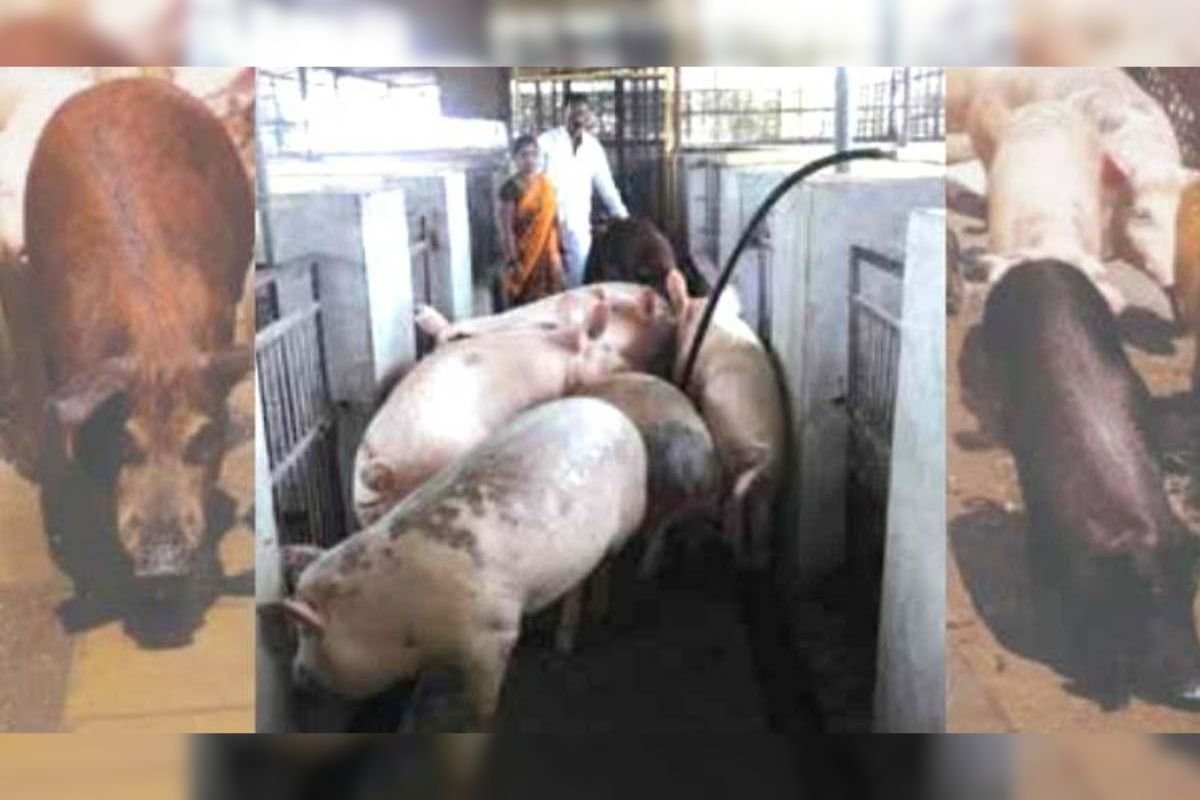
Pig farming provides food and income for many rural households, particularly in parts of Northeast India. It can complement crop farming, but returns depend on feed costs, animal health, breeding, housing and access to buyers. Poor management can lead to slow growth, disease outbreaks and unexpected expenses.
The ICAR-National Research Centre on Pig in Rani, near Guwahati, organised a three-day residential training programme for tribal farmers from 5 to 7 October 2026. The programme focused on scientific pig production, livelihoods and nutritional security under the Tribal Sub Plan.
The training highlights the importance of practical livestock knowledge. Farmers considering pig rearing should understand the costs and daily responsibilities before buying animals. The goal should be to maintain healthy pigs, manage production expenses and establish a reliable route to market rather than expect quick profits.
Seven Practices for Better Pig Management
1. Choose Healthy Animals
Farmers should purchase piglets from reliable breeders or recognised farms. They should check the animals’ activity, appetite, body condition and general health before buying. The source should provide information about age, vaccination and previous treatment, where available.
Farmers should select animals suited to their production goals and local conditions. Before expanding a herd, they should ask a veterinarian or animal husbandry officer about suitable breeds, breeding plans and expected feed requirements. Buying the cheapest animals without checking their health can lead to additional treatment costs.
2. Provide Balanced Feed
Feed is one of the main expenses in pig farming. Pigs need diets that supply energy, protein, minerals and vitamins in proportions suited to their age and production stage. Piglets, growing animals, pregnant sows and breeding boars do not all have identical nutritional requirements.
Farmers should follow feeding recommendations from qualified livestock experts and use clean ingredients of known quality. Sudden changes in diet or poorly stored feed can cause digestive problems and waste money. Keeping records of feed use and weight gain helps farmers assess whether their feeding plan is working.
3. Maintain Clean and Suitable Housing
Pig housing should provide adequate space, ventilation, drainage and protection from extreme weather. Floors should be kept clean and dry, and animals should have access to clean drinking water. Poor sanitation and overcrowding can increase stress and create conditions that favour disease transmission.
Farmers should separate animals by age or health status when appropriate and clean feeding and watering equipment regularly. Housing design should suit local temperatures and rainfall. Before constructing a piggery, farmers should seek advice on space requirements, drainage, waste disposal and the cost of maintaining the facility.
4. Prevent Disease Before It Spreads
Disease prevention is essential because an outbreak can affect several animals and disrupt farm income. Farmers should follow veterinary advice on vaccination, parasite control and routine health checks. Animals that appear sick should be assessed promptly rather than treated with medicines chosen without professional guidance.
African swine fever is a serious threat to pig production. Farmers should avoid introducing animals from uncertain sources, restrict unnecessary visitors and clean equipment and footwear according to veterinary biosecurity advice. They should report unusual illness or sudden deaths to local animal health authorities and avoid moving sick animals.
5. Plan Breeding Carefully
Breeding decisions influence piglet survival, growth and the future size of the herd. Farmers should keep records of mating, farrowing dates, litter size, piglet survival and growth. These records help identify productive animals and recurring problems that may require veterinary attention.
Farmers should avoid breeding animals simply to increase herd numbers. They need enough housing, feed, labour and money to care for additional piglets. A breeding plan should also consider whether suitable replacement animals and buyers are available before the farm commits to expansion.
6. Protect Newborn Piglets
Newborn piglets need a clean, warm and safe environment. Farmers should ensure that piglets can nurse and monitor them for weakness, poor feeding or other signs of illness. Early veterinary advice is important when piglets appear unwell or several animals develop similar symptoms.
Iron deficiency can affect young piglets because their initial iron reserves are limited. Farmers should ask a veterinarian whether supplementation is needed and follow the recommended product, dose and timing. They should not estimate doses themselves or assume that one treatment can prevent every health problem.
7. Keep Farm and Financial Records
Farmers should record animal purchases, feed expenses, medicines, labour, deaths, sales and other costs. These figures help calculate the actual cost of raising each animal. Without records, farmers may mistake high sales revenue for profit while overlooking the money spent on feed and healthcare.
Before selling pigs, farmers should check local demand, buyer requirements, transport expenses and expected prices. Where possible, they can compare offers from several buyers. Planning sales around animal growth and market requirements can help reduce avoidable costs and improve the chance of recovering production expenses.
Calculate Costs Before Expanding
Pig farming requires regular spending on feed, housing, veterinary care, water, labour and waste management. Farmers should estimate these costs before deciding how many animals to rear. They should also maintain a reserve for emergencies, since disease, mortality or unexpected feed-price increases can affect cash flow.
A small farm can begin with a manageable herd and expand after assessing its results. Farmers should track growth, feed consumption, survival and sale prices over several production cycles. This approach provides a clearer basis for deciding whether a larger herd is financially practical.
Where Farmers Can Seek Training
The ICAR-National Research Centre on Pig in Rani, Guwahati, conducts training and research on pig production, health, breeding and processing. Farmers can contact the institute or their state animal husbandry department to ask about upcoming training programmes and locally suitable practices.
Farmers should also seek advice from veterinary hospitals and nearby Krishi Vigyan Kendras. Local guidance is important because disease risks, feed ingredients, climate and market access vary between regions. Scientific management can improve decision-making, but it cannot remove all production and market risks.
Successful pig farming depends on consistent care rather than one costly intervention. Healthy animals, balanced feeding, clean housing, disease prevention, planned breeding and accurate records help farmers identify problems early and control expenses.
The recent ICAR training in Assam underlines the value of building practical skills among livestock farmers. Those interested in pig rearing should start with local veterinary advice, a realistic budget and a clear market plan. Expanding only after assessing farm results can reduce avoidable financial risks.
Also Read: Punarnava Jal – The world’s first organic fertilizer! Know how it is beneficial for farmers?
Contact us – If farmers want to share any valuable information or experiences related to farming, they can connect with us via phone or whatsapp at 9599273766 or you can write to us at “kisanofindia.mail@gmail.com”. Through Kisan of India, we will convey your message to the people, because we believe that if the farmers are advanced then the country is happy.
You can connect with Kisan of India on Facebook, Twitter, and Whatsapp and Subscribe to our YouTube channel.