


New Study Finds Climate-Smart Farming Can Raise Wheat Protein by 12%

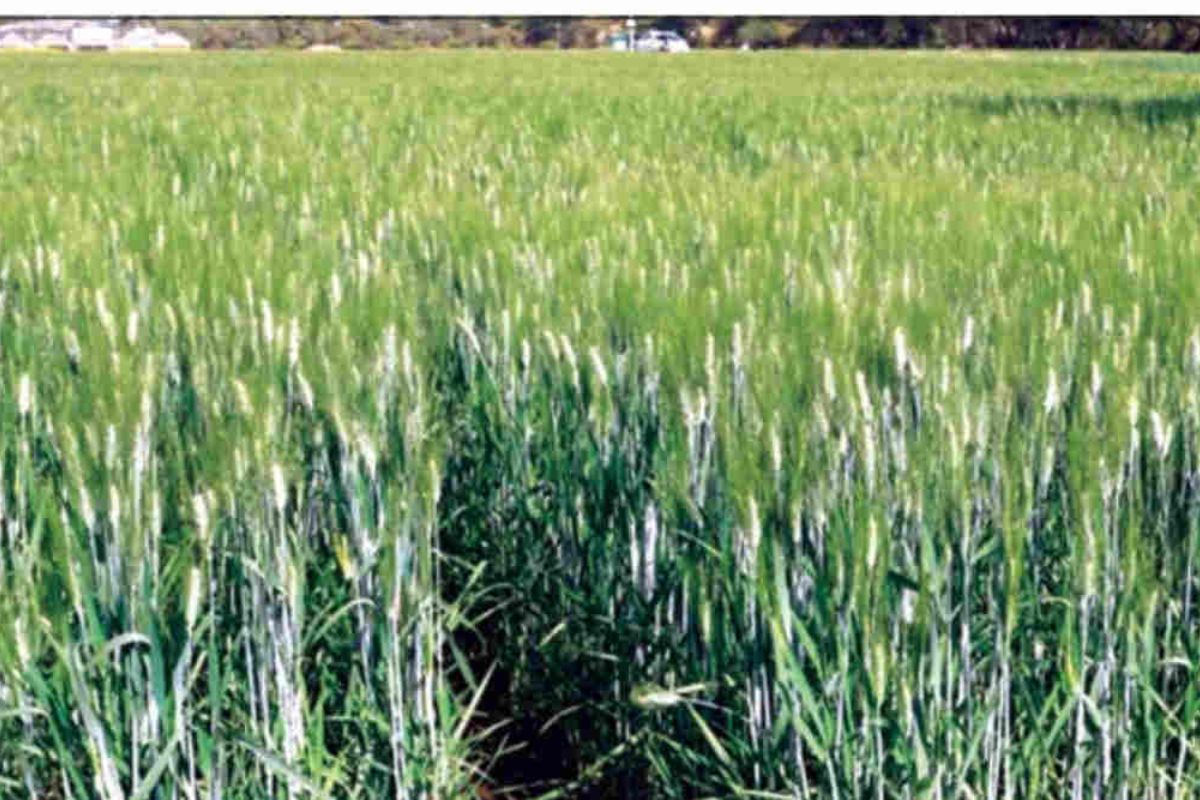
Climate change is making wheat production more difficult as rising temperatures, erratic rainfall and declining water availability reduce crop productivity. Scientists are now looking beyond higher yields and focusing on grain quality, resource efficiency and climate resilience. A new decade-long study has found that conservation agriculture combined with subsurface drip irrigation can improve wheat grain protein content by up to 12% while increasing yields and reducing water and fertiliser use.
The research was conducted by scientists from the ICAR-Central Soil Salinity Research Institute (CSSRI), ICAR-Indian Institute of Wheat and Barley Research (IIWBR), the International Maize and Wheat Improvement Center (CIMMYT) and SARO, Nepal. Researchers say the findings offer a practical pathway for making wheat farming more productive and resilient under changing climatic conditions.
Conservation agriculture focuses on minimum soil disturbance, crop residue retention and diversified cropping systems. When combined with subsurface drip irrigation, the system delivers water and nutrients directly to the crop root zone, reducing losses and improving resource use.
The study found that these practices not only increased wheat yields but also improved grain protein content by 7–12%. Higher protein content improves the nutritional value of wheat and enhances its quality for flour and other food products.
Researchers also reported significant improvements in protein water productivity and protein nitrogen productivity, showing that farmers can produce more nutritious grain while using fewer natural resources.
Less Water, Better Efficiency
Water scarcity has become one of the biggest challenges for wheat cultivation, particularly in northwestern India. The study found that conservation agriculture with subsurface drip irrigation reduced irrigation water use by 43% and fertiliser nitrogen use by 20% compared with conventional farming systems.
Efficient use of water and fertiliser also reduces production costs and limits environmental pollution caused by excessive nutrient application. Scientists believe these improvements will become increasingly important as climate change places greater pressure on agricultural resources.
In addition to improving grain quality, researchers observed that wheat yields increased by as much as 37% under conservation agriculture with subsurface drip irrigation compared with conventional cultivation.
The researchers say healthy soil structure, improved moisture conservation and precise nutrient management helped crops perform better under variable weather conditions. These practices also improve soil health over time, making farms more resilient to drought and heat stress.
The findings suggest that climate-smart farming is no longer only about protecting the environment. It can also improve productivity, reduce costs and strengthen food security for farmers facing increasingly unpredictable weather.
A Practical Solution for Indian Farmers
India is the world’s second-largest wheat producer, and maintaining grain quality while conserving water has become a major challenge.
The new study shows that conservation agriculture, supported by efficient irrigation and nutrient management, can help farmers adapt to climate change without sacrificing productivity. As groundwater levels decline and weather patterns become more uncertain, practices that save water, improve soil health and increase grain quality will become increasingly important.
Researchers believe wider adoption of conservation agriculture and precision irrigation can help Indian farmers produce more nutritious wheat while using fewer resources, making agriculture more sustainable in a changing climate.
Also Read: Punarnava Jal – The world’s first organic fertilizer! Know how it is beneficial for farmers?
Contact us – If farmers want to share any valuable information or experiences related to farming, they can connect with us via phone or whatsapp at 9599273766 or you can write to us at “kisanofindia.mail@gmail.com”. Through Kisan of India, we will convey your message to the people, because we believe that if the farmers are advanced then the country is happy.
You can connect with Kisan of India on Facebook, Twitter, and Whatsapp and Subscribe to our YouTube channel.