



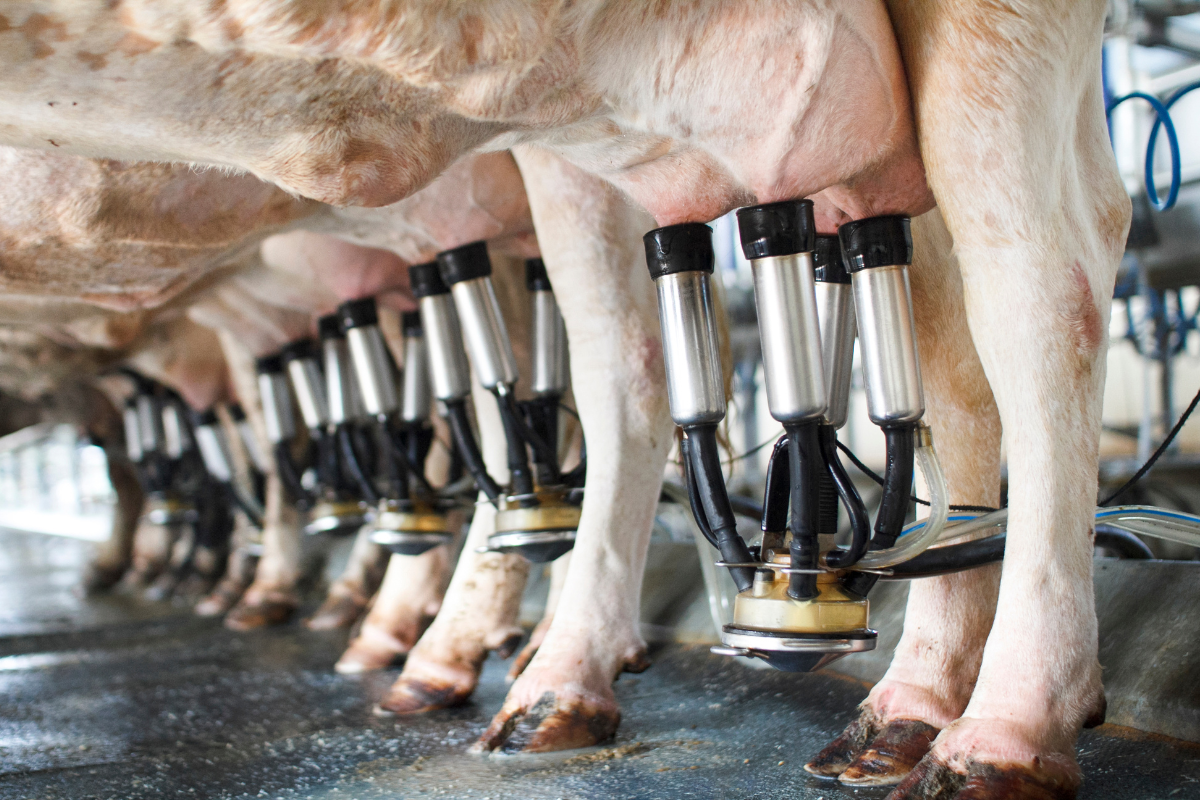
Climate change is affecting not only crops but also livestock. Scientists have warned that rising temperatures and frequent heatwaves are placing dairy animals under increasing heat stress, leading to lower milk production, reduced fertility and higher management costs. As many parts of India continue to record above-normal temperatures, researchers say dairy farmers need to adopt climate-resilient livestock management practices.
Dairy animals perform best within a comfortable temperature range. When temperatures rise beyond this limit, they consume less feed, drink more water and divert energy towards cooling their bodies instead of producing milk.
Researchers say prolonged exposure to high temperatures reduces feed intake, slowing milk production and affecting overall animal health.
High-producing dairy cows and buffaloes are particularly vulnerable because they generate more body heat during milk production. Farmers often notice reduced milk yield, lower body weight and poor reproductive performance during extended periods of hot weather.
Scientists believe climate change will increase the frequency of such conditions, making heat stress one of the biggest challenges for the dairy sector.
Animal Welfare Becomes More Important
Managing heat stress requires changes in day-to-day livestock management.
Experts recommend providing adequate shade, ensuring continuous access to clean drinking water and improving ventilation in cattle sheds. Cooling systems such as sprinklers, foggers and fans can also help reduce body temperature during extreme heat.
Feeding animals during cooler hours of the day and maintaining balanced nutrition further improves their ability to cope with high temperatures.
Researchers are also encouraging farmers to adopt climate-smart livestock practices.
Planting trees around dairy farms, improving shed design and conserving water can help create a better environment for animals. Scientists are also studying indigenous cattle breeds that naturally tolerate higher temperatures and may perform better under changing climatic conditions.
Combining scientific breeding with improved management can help reduce production losses caused by climate change.
Preparing the Dairy Sector for the Future
India is the world’s largest milk producer, making climate resilience an important priority for the livestock sector.
Scientists believe heat stress will continue to affect dairy farming unless adaptation measures are adopted at the farm level. Better housing, improved nutrition and scientific livestock management can help farmers protect milk production while improving animal welfare.
As temperatures continue to rise, climate-smart dairy farming will play an increasingly important role in maintaining productivity and supporting the livelihoods of millions of dairy farmers across the country.
Also Read: Punarnava Jal – The world’s first organic fertilizer! Know how it is beneficial for farmers?
Contact us – If farmers want to share any valuable information or experiences related to farming, they can connect with us via phone or whatsapp at 9599273766 or you can write to us at “kisanofindia.mail@gmail.com”. Through Kisan of India, we will convey your message to the people, because we believe that if the farmers are advanced then the country is happy.
You can connect with Kisan of India on Facebook, Twitter, and Whatsapp and Subscribe to our YouTube channel.