

Rising Night Temperatures Are Emerging as a New Threat to Rice Farmers in Eastern India

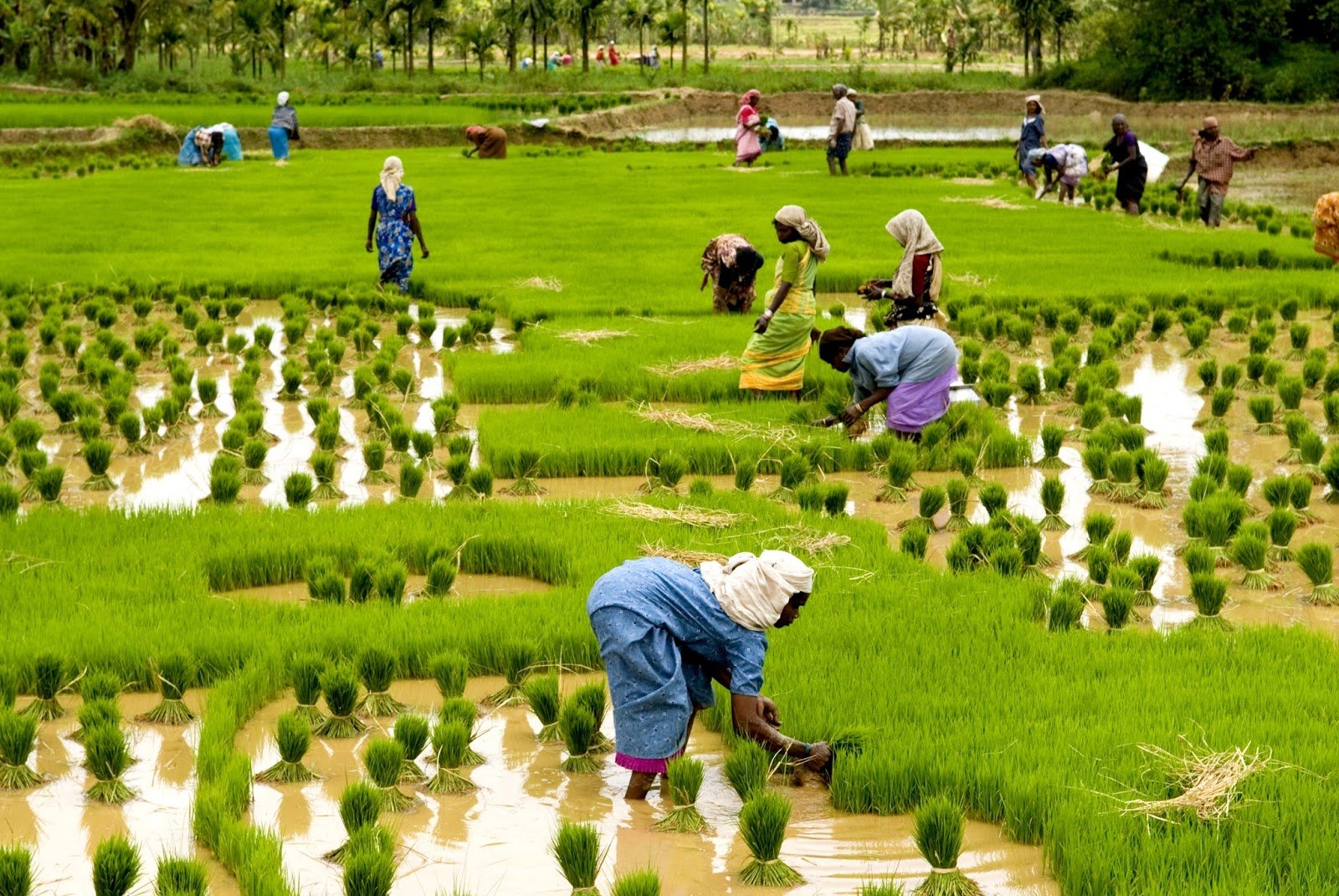
For decades, farmers across eastern India focused on rainfall when assessing the success of a rice season. A good monsoon usually meant healthy crops, while droughts and floods posed the greatest risks to production.
Today, agricultural scientists are paying attention to another factor that many farmers cannot easily see.
Night-time temperatures.
Across states such as West Bengal, Odisha, Bihar, Jharkhand, Assam, and eastern Uttar Pradesh, warmer nights are becoming increasingly common. While daytime heat often receives more attention, researchers studying rice cultivation have found that rising night temperatures can quietly reduce yields, affect grain quality, and increase stress on crops during critical growth stages.
The issue is attracting attention because rice remains the staple food crop for millions of people and a key source of income for farming households throughout eastern India.
Why Night Temperatures Matter
Rice plants behave differently during the day and night. During daylight hours, plants produce energy through photosynthesis. At night, they use part of that stored energy for respiration and growth. When night temperatures remain moderate, the balance works efficiently.
As temperatures rise, respiration rates increase. The plant consumes more of the energy it produced during the day, leaving less available for grain development. This can result in lower yields even when crops appear healthy from the outside.
Scientists monitoring rice-growing regions have observed that warmer nights often coincide with reductions in grain weight and overall productivity.
The impact may not be immediately visible in the field, but it becomes apparent during harvest.
Eastern India plays a crucial role in the country’s rice economy. The region contributes significantly to national rice production and includes millions of small and marginal farmers who depend heavily on the crop for their livelihoods.
Many of these areas are already experiencing changing climatic conditions. Rainfall patterns have become more erratic. Heatwaves are occurring more frequently. Humidity levels remain high during key stages of crop growth.
Rising night temperatures add another layer of stress. Unlike irrigation shortages or pest outbreaks, the problem is difficult for farmers to identify directly because the effects accumulate gradually throughout the growing season.
This makes adaptation more challenging.
One reason the issue concerns scientists is that farmers may not immediately recognise the cause of declining productivity.
Floods leave visible damage. Droughts dry out fields. Pest attacks leave clear signs on leaves and stems.
Warmer nights do not produce obvious symptoms. A crop may look healthy and still deliver lower yields at harvest. Farmers sometimes attribute these declines to seed quality, fertilizer management, or weather conditions without realising that night-time temperatures may also be playing a role.
This hidden nature makes the challenge particularly significant for rice-growing regions.
Researchers Are Developing New Varieties
Agricultural institutions across India are working to address the problem through plant breeding programmes.
Scientists are evaluating rice varieties capable of performing better under higher temperatures while maintaining productivity and grain quality.
The objective is to identify traits that allow plants to tolerate warmer nights without suffering major yield penalties.
Several research programmes are also examining traditional rice varieties that may possess useful genetic characteristics for future breeding efforts. The search for climate-resilient rice is becoming increasingly important as temperature trends continue to change. For policymakers, the issue has implications for both food security and farmer incomes.
Adaptation does not depend entirely on new varieties.
Agricultural experts are encouraging farmers to adopt practices that help reduce crop stress. Improved water management, balanced fertilizer application, and timely planting can all influence how rice responds to changing environmental conditions.
In some regions, adjusting sowing dates may help crops avoid the most stressful temperature periods during flowering and grain filling stages.
Extension agencies are increasingly incorporating climate information into their advisories so that farmers can make more informed decisions.
These measures cannot eliminate rising temperatures, but they can help reduce vulnerability.
Climate Change Is Affecting More Than Rainfall
For many years, discussions about climate change and agriculture focused mainly on droughts, floods, and rainfall variability. Those threats remain important. Yet scientists increasingly emphasise that temperature changes are equally significant. The challenge is not limited to extreme heat during the day. Subtle shifts in night-time conditions can influence crop performance across large agricultural regions.
Rice farmers in eastern India are among the first to confront this reality because of the crop’s sensitivity to temperature fluctuations. What happens after sunset is becoming almost as important as what happens during the day.
The fields of eastern India still look much the same as they did a generation ago. Rice continues to dominate the landscape. Farmers continue to watch the monsoon and prepare for harvest. But climate change is altering agricultural conditions in ways that are not always visible. Among the most important of those changes is the steady rise in night temperatures.
For rice growers, the consequences may not appear overnight. They emerge gradually, season after season, affecting yields, profitability, and long-term resilience.
As scientists search for solutions, one thing is becoming clear: the future of rice farming will depend not only on managing water and weather, but also on understanding what happens in the quiet hours after dark.
Also Read: Punarnava Jal – The world’s first organic fertilizer! Know how it is beneficial for farmers?
Contact us – If farmers want to share any valuable information or experiences related to farming, they can connect with us via phone or whatsapp at 9599273766 or you can write to us at “kisanofindia.mail@gmail.com”. Through Kisan of India, we will convey your message to the people, because we believe that if the farmers are advanced then the country is happy.
You can connect with Kisan of India on Facebook, Twitter, and Whatsapp and Subscribe to our YouTube channel.