



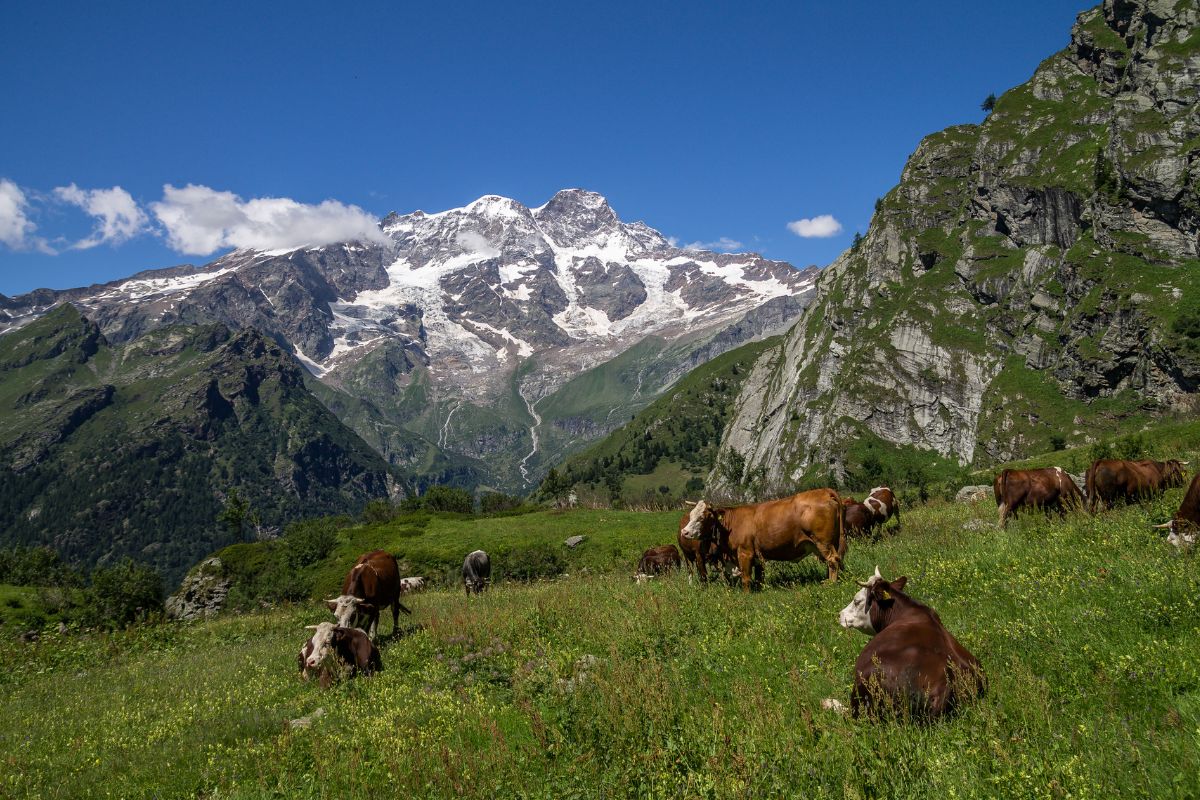
For decades, farmers in India’s hill states relied on cold winters to regulate crop growth, flowering, and fruit production. But winter temperatures are gradually rising, and researchers say the change is beginning to reshape agriculture across the Himalayan region. Crops that depend on prolonged cold periods are flowering at unusual times, producing lower yields, or gradually shifting to higher elevations.
Scientists have observed that warmer winters are affecting everything from apple orchards and temperate fruits to wheat, vegetables, and oilseed crops. Unlike heatwaves or floods, this climate change is less visible but has long-term consequences for farming systems that evolved under cooler conditions.
Researchers believe adapting to warmer winters will become one of the biggest challenges for mountain agriculture over the coming decades.
Many temperate fruit trees, including apples, pears, peaches, and plums, require a certain number of cold hours during winter before they can flower and fruit normally.
When winters remain warmer than usual, trees may receive insufficient chilling. This can lead to irregular flowering, poor fruit set, and lower yields.
Horticultural scientists say declining winter chill is already influencing fruit-growing regions in parts of Himachal Pradesh, Uttarakhand, and Jammu and Kashmir.
Cropping Calendars Are Changing
Farmers traditionally planned sowing and harvesting based on predictable seasonal temperatures.
As winters become shorter and warmer, crop development is changing. Some crops mature earlier than expected, while others experience uneven growth because seasonal conditions no longer match their biological requirements.
Agricultural researchers are studying how revised cropping calendars can help farmers adapt to these changing conditions.
Cold winters naturally suppress many insect pests and disease-causing organisms.
Warmer conditions allow some pest populations to survive through the winter and become active earlier in the following season. This can increase crop damage and raise the need for pest management.
Entomologists say changing winter temperatures are altering pest life cycles in several agricultural regions.
Winter snowfall plays an important role in maintaining streamflow and groundwater recharge across many hill regions.
Reduced snowfall and earlier snowmelt can affect water availability during the growing season, particularly for orchards and vegetable farms that depend on mountain water sources.
Climate researchers warn that changing snow patterns may become a major agricultural challenge in Himalayan ecosystems.
Scientists Are Developing Climate-Ready Solutions
Agricultural universities and research institutions are evaluating crop varieties that require fewer chilling hours and can perform better under warmer conditions.
Researchers are also promoting improved irrigation practices, diversified cropping systems, and climate advisory services to help farmers adjust to changing seasonal patterns.
Experts believe adaptation will be essential as winter temperatures continue to rise.
Climate change is no longer affecting only summer temperatures. Gradually warming winters are becoming an equally important concern for agriculture in India’s hill states.
As the climate continues to change, the future of Himalayan farming may depend not only on how much rain falls during the monsoon, but also on how cold the winters remain.
Also Read: Punarnava Jal – The world’s first organic fertilizer! Know how it is beneficial for farmers?
Contact us – If farmers want to share any valuable information or experiences related to farming, they can connect with us via phone or whatsapp at 9599273766 or you can write to us at “kisanofindia.mail@gmail.com”. Through Kisan of India, we will convey your message to the people, because we believe that if the farmers are advanced then the country is happy.
You can connect with Kisan of India on Facebook, Twitter, and Whatsapp and Subscribe to our YouTube channel.