

How Bt Cotton Reshaped Indian Farming, and What It Meant for Farmer Income

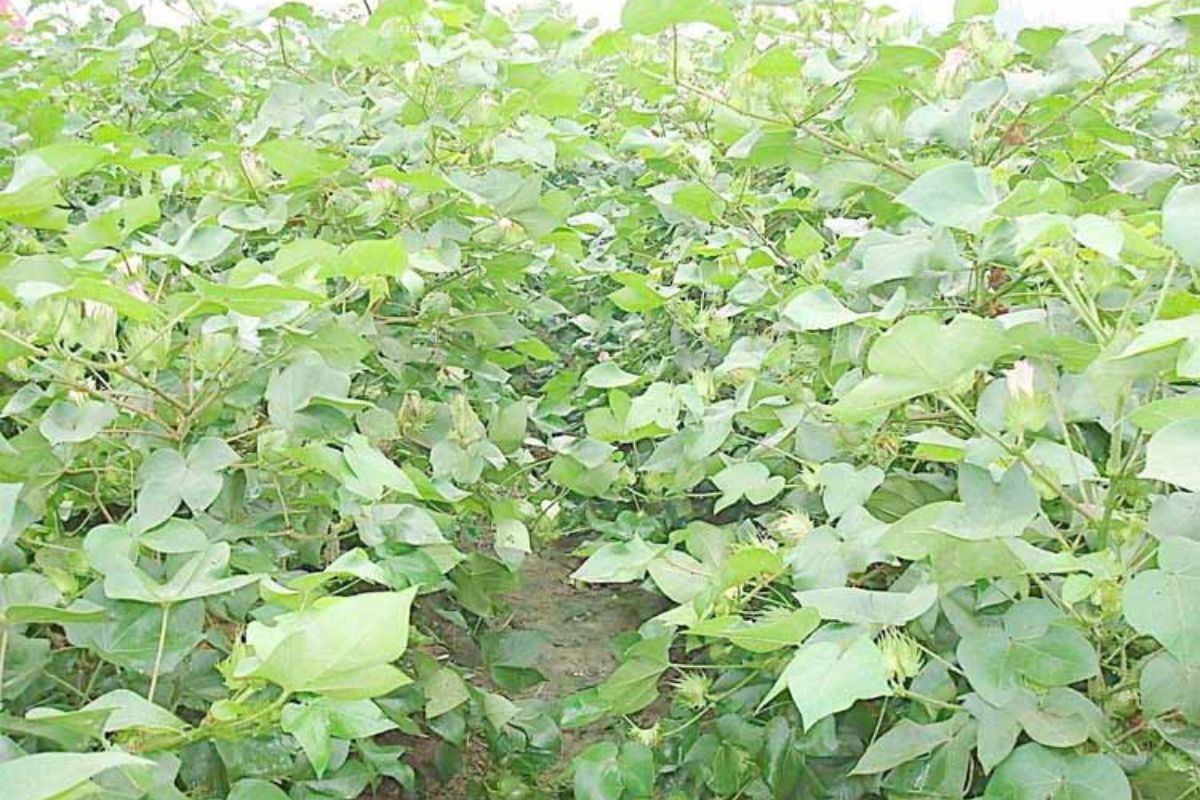
When India approved Bt Cotton in 2002, it was the first genetically modified crop to get commercial clearance in the country. The promise was simple — farmers would spend less on pesticides, lose fewer crops to bollworm attacks, and earn more at the end of each season.
For the first decade, the numbers appeared to back that promise up.
What Bt Cotton Did for Farmers
Cotton production in India rose sharply after Bt Cotton adoption. Between 2002 and 2014, India’s cotton output nearly tripled — from around 15.8 million bales to over 39 million bales. India became one of the world’s largest cotton exporters. Farmers in states like Gujarat, Maharashtra, Telangana, and Punjab shifted to Bt Cotton varieties rapidly, with adoption rates eventually crossing 90 percent of the total cotton-growing area.
Studies from that period, including research by the International Food Policy Research Institute, found that Bt Cotton farmers recorded yield gains of around 24 percent and profit increases of up to 50 percent compared to non-Bt growers. Pesticide use on cotton fields dropped significantly in the early years of adoption — a direct saving for farmers who had previously sprayed multiple times per season.
For smallholder farmers with limited capital, the reduction in pesticide expenditure alone made a meaningful difference to their seasonal income.
Where the Story Gets Complicated
By the early 2010s, the initial gains began to erode. The pink bollworm — a secondary pest not targeted by the Bt toxin — developed resistance and spread rapidly across cotton belts. Farmers found themselves spraying pesticides again, sometimes more than before, to manage the new pest pressure. Input costs climbed back up.
Seed prices also became a flashpoint. Bt Cotton seeds, sold predominantly through private companies, cost significantly more than conventional varieties. As the technology spread, seed costs rose — and farmers in rain-dependent regions found that higher-yielding Bt varieties still failed when rainfall was poor or erratic, regardless of their genetic modification.
Maharashtra’s cotton belt — particularly Vidarbha — saw persistent farmer distress through this period. Debt, crop failure, and falling market prices combined to create a crisis that Bt Cotton adoption alone could not resolve.
What Farmer Income Data Shows Today
The relationship between GM crop adoption and farmer income is not linear. Bt Cotton raised incomes for many farmers in irrigated, input-sufficient regions. It delivered far less in rain-fed areas where soil quality, water access, and market connectivity remained weak.
A 2020 review by the Indian Council of Agricultural Research acknowledged that while Bt Cotton contributed to productivity growth, income gains were unevenly distributed across geographies and farm sizes. Larger farms with better irrigation and market access benefited more consistently than smallholders in dryland areas.
The National Sample Survey data shows that cotton farmers remain among the most financially stressed agricultural communities in India, even after two decades of near-universal Bt Cotton adoption.
What This Means for the GM Debate
Bt Cotton did not fail Indian farmers — but it did not save them either. It solved one problem, created others, and delivered gains that depended heavily on factors the technology itself could not control.
As India debates the expansion of GM crops to mustard, rice, and other staples, the Bt Cotton experience offers a clear lesson: technology alone does not determine farmer income. Policy, market access, water security, and seed pricing shape outcomes just as much as the crop in the field.
Contact us: If farmers want to share information or experiences related to farming with us, then they can do this by calling us on the phone number 9599273766 or by writing an email to kisanofindia.mail@gmail.com or by sending your recording. Through Kisan of India, we will convey your message to the people, because we believe that if the farmers are advanced then the country is happy.
You can connect with Kisan of India on Facebook, Twitter, and Whatsapp and Subscribe to our YouTube channel.