



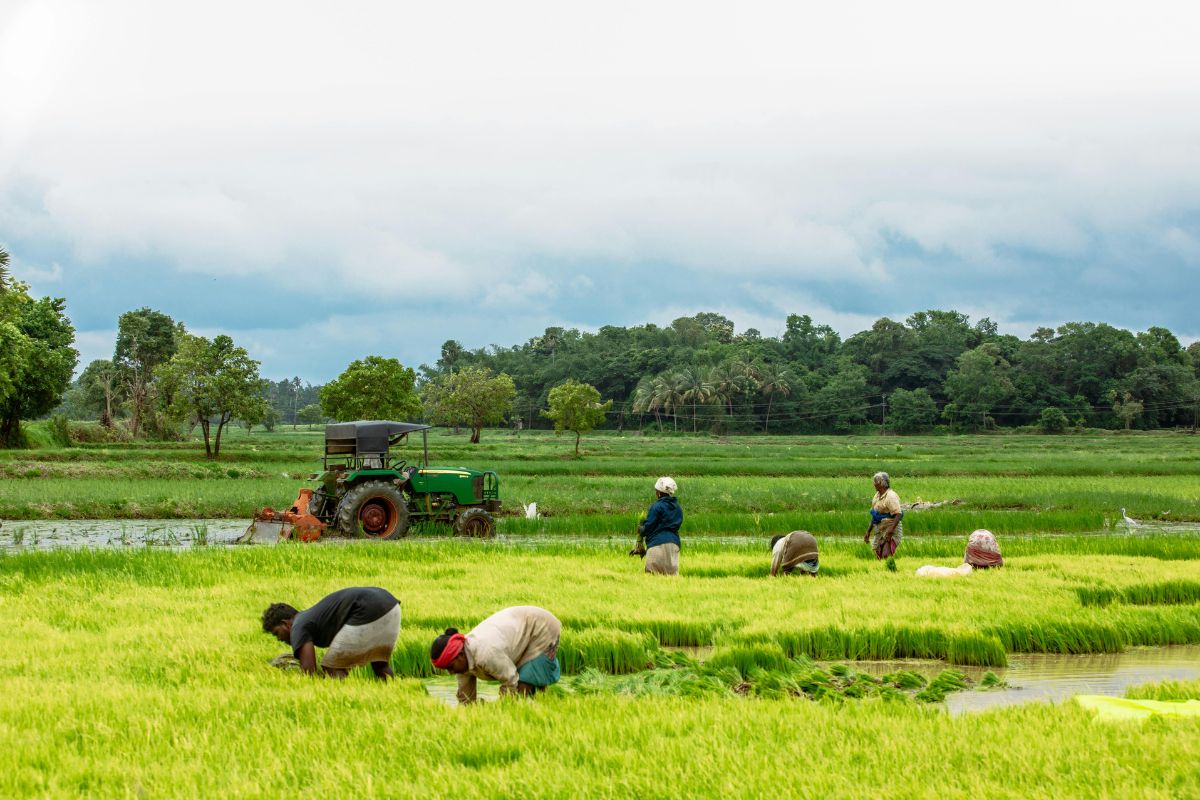
Indian farmers are getting access to a wider range of improved crop varieties as agricultural research focuses more strongly on climate stress, disease resistance and nutrition.
Over the past year, ICAR developed 386 improved varieties across 44 crops, with 94% carrying climate-resilient traits and 29 classified as biofortified varieties. The varieties are designed to address problems such as drought, heat, flooding, pests and diseases while improving crop productivity and food quality.
Climate stress does not affect every farming region in the same way. Some farmers face drought and heat, while others deal with flooding, salinity or irregular rainfall.
Crop breeding programmes are therefore developing varieties with specific traits. A drought-tolerant crop can help farmers in rainfed regions, while flood-tolerant varieties can reduce losses in areas prone to waterlogging.
Disease and pest resistance can also help farmers protect yields and reduce crop losses.
The aim is to give farmers seed options that are better suited to the conditions in which they actually grow their crops.
More Focus on Nutrition
The new varieties are not focused only on yield.
ICAR is also developing biofortified crops with higher levels of nutrients such as iron, zinc and protein. These varieties can help improve the nutritional value of commonly consumed foods while remaining part of normal farming systems.
This approach links farm productivity with food and nutrition needs.
For farmers, varieties with both good yields and improved nutritional traits can also create opportunities in markets that are looking for specialised food products.
Climate-Resilient Seeds Can Reduce Risk
Weather has become a major factor affecting farm income.
A crop can suffer large losses if drought, heat or excessive rainfall occurs during a sensitive growth stage. A resilient variety cannot eliminate this risk, but it can improve the crop’s ability to withstand particular stresses.
ICAR’s work is increasingly focused on developing varieties that can maintain production under difficult conditions.
This is especially important for India’s rainfed farmers, who have fewer options to protect crops when rainfall becomes irregular.
Getting Improved Varieties to Farmers
Developing a variety is only one part of the process.
Farmers need access to quality seed, information about suitable regions and advice on cultivation practices. Demonstrations through Krishi Vigyan Kendras can help farmers compare new varieties with the seeds they currently use.
ICAR’s extension network works with farmers through field demonstrations, training programmes and advisories.
Seed multiplication and timely distribution will also determine how quickly these varieties reach farms.
A Bigger Role for Crop Breeding
India needs to increase agricultural production while dealing with rising climate risks and pressure on land and water.
Improved crop varieties offer one way to address these challenges without requiring farmers to completely change their farming systems. The 386 varieties developed over the past year show the scale of current crop-breeding efforts.
The real test will be adoption at the farm level. If farmers can access affordable quality seed and the varieties perform well under local conditions, climate-resilient and biofortified crops could help reduce production risks while improving farm productivity.
Also Read: Punarnava Jal – The world’s first organic fertilizer! Know how it is beneficial for farmers?
Contact us – If farmers want to share any valuable information or experiences related to farming, they can connect with us via phone or whatsapp at 9599273766 or you can write to us at “kisanofindia.mail@gmail.com”. Through Kisan of India, we will convey your message to the people, because we believe that if the farmers are advanced then the country is happy.
You can connect with Kisan of India on Facebook, Twitter, and Whatsapp and Subscribe to our YouTube channel.