



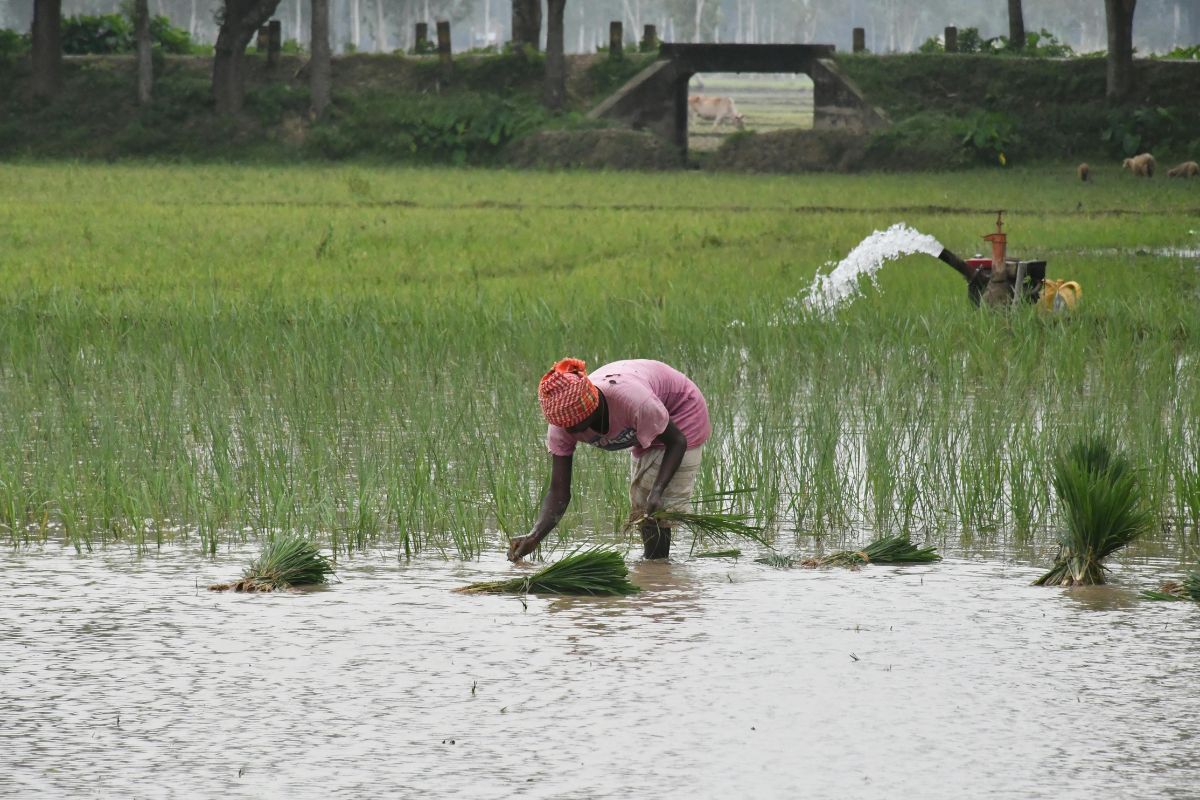
Buying a modern farm machine can be difficult for small and marginal farmers. Tractors, planters, weeders, harvesters and other equipment require significant investment. A machine may also remain unused for much of the year, making individual ownership less practical on small farms. Government programmes are trying to address this problem through financial support for machinery and Custom Hiring Centres.
The Ministry of Agriculture and Farmers Welfare said in August 2026 that the Sub-Mission on Agricultural Mechanization, or SMAM, aims to expand access to farm machinery, especially for small and marginal farmers and areas with low availability of farm power. The scheme also promotes Custom Hiring Centres as an alternative to individual ownership.
How much support is available for farm machinery?
Under SMAM, farmers can receive financial assistance of 40 to 50 percent of the cost of eligible agricultural machinery and equipment, according to the Ministry of Agriculture and Farmers Welfare. The exact support available to a farmer can depend on the machinery, beneficiary category and state-level process.
The government also supports Custom Hiring Centres. The Ministry said financial assistance of 40 percent of the project cost is available for eligible Custom Hiring Centre projects costing up to ₹250 lakh. These centres can make machinery available to several farmers instead of requiring every farmer to purchase expensive equipment.
For small farmers, this creates two possible routes to mechanisation. They can seek support to buy equipment. Or they can hire machinery when they need it.
A machine can save labour and time, but farmers should calculate how often they will use it. A specialised harvester or planter may only be needed for a short period each season. The farmer still has to pay for maintenance, repairs, storage and fuel.
This is why hiring can sometimes make more sense. A Custom Hiring Centre can spread the cost of machinery across many users. Farmers pay for a specific operation instead of carrying the full purchase cost.
The government has identified this as an important way to address the problems created by small and fragmented landholdings. The best option depends on the farm. A farmer who uses a machine regularly may find ownership useful. A farmer who needs it only a few times a year may benefit more from hiring.
Farm mechanisation is expanding beyond tractors
Farm mechanisation does not mean buying a large tractor. Small farmers may need lighter and more specialised equipment for activities such as:
- Sowing
- Weeding
- Fertiliser application
- Spraying
- Harvesting
- Threshing
- Residue management
The government has said SMAM aims to increase the reach of different types of machinery among farmers, including women farmers and groups that have traditionally had less access to modern equipment. The choice of machine should depend on the actual farm operation causing the biggest problem.
A farmer facing a labour shortage during weeding may not need a new tractor. A suitable mechanical weeder may provide more value. Farmers should identify the problem before deciding what machine to buy.
Small equipment can suit small and irregular fields
Large agricultural machines do not work equally well on every farm. Small and fragmented plots may have narrow access routes and irregular field shapes. Hilly areas can create further problems. The equipment must suit the field.
This is especially important for farmers who are considering a subsidised purchase. A subsidy can reduce the purchase price, but it does not make an unsuitable machine useful.
Before applying, farmers should examine:
- Field size
- Crop type
- Land slope
- Soil conditions
- Access roads
- Labour availability
- Frequency of machine use
A machine that remains unused can become a financial burden even when purchased with government support.
Custom Hiring Centres can give farmers more choices
Custom Hiring Centres can offer several types of equipment from one location. This can allow farmers to use different machines during different stages of crop production. The centres may provide equipment for land preparation, sowing, spraying, harvesting and post-harvest work, depending on local demand.
The model becomes especially useful during periods of labour shortage. A farmer can hire machinery to complete work faster when the crop requires timely action. The challenge is availability. Several farmers may need the same machine during sowing or harvesting.
Custom Hiring Centres therefore need proper booking systems and regular maintenance. A machine that breaks down during the peak season can affect many farmers.
The government said in July 2026 that ₹9,404.47 crore had supported the distribution of 21.61 lakh agricultural machines to individual farmers since the launch of SMAM. The programme has also supported drone demonstrations as part of efforts to expand precision agriculture.
According to the government’s background document, more than 40,928 drone demonstrations covering 40,918 hectares had been conducted with ₹52.5 crore in financial support. These figures show the scale of the government’s mechanisation push.
But access remains more important than the total number of machines. A farmer needs equipment that is available at the right time, suits the field and reduces the cost or time required for farm work.
Farmers should check state-level details
Agricultural machinery support is implemented through state governments. This means the application process, available machines and beneficiary requirements can vary. Farmers should contact their state agriculture department or local agriculture office for current information.
Before applying for support, farmers should check:
- Which machines are eligible
- How much financial assistance is available
- Whether applications are open
- Documents required for registration
- Whether the machine supplier is approved
- Conditions related to verification
Farmers should not purchase equipment based only on informal claims about subsidies. They should confirm the current rules through official agriculture department channels.
The real question is how often farmers will use the machine
Government support can reduce the cost of farm machinery. But farmers should still calculate whether buying the machine makes financial sense. A useful calculation includes:
- Purchase cost after support
- Expected annual use
- Fuel or electricity costs
- Repair expenses
- Maintenance
- Storage
- Possible income from hiring the machine to others
If the machine will remain idle for most of the year, hiring may be the better option. If a group of farmers needs the same equipment, a Custom Hiring Centre may spread the cost more effectively. India’s mechanisation programmes aim to give small farmers greater access to modern equipment.
For farmers, the most important decision comes before the application. Do you really need to own the machine, or do you only need reliable access to it? The answer can help determine whether mechanisation reduces farm costs or creates another financial burden.
Also Read: Punarnava Jal – The world’s first organic fertilizer! Know how it is beneficial for farmers?
Contact us – If farmers want to share any valuable information or experiences related to farming, they can connect with us via phone or whatsapp at 9599273766 or you can write to us at “kisanofindia.mail@gmail.com”. Through Kisan of India, we will convey your message to the people, because we believe that if the farmers are advanced then the country is happy.
You can connect with Kisan of India on Facebook, Twitter, and Whatsapp and Subscribe to our YouTube channel.