



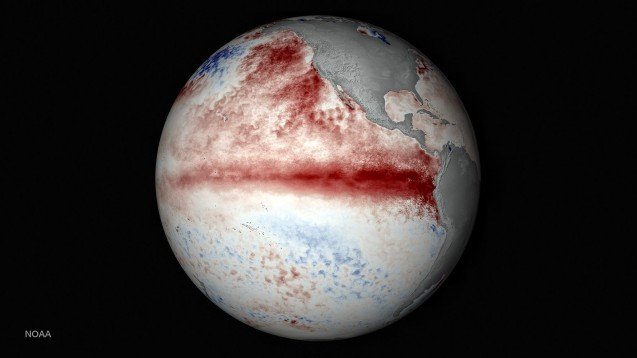
Farmers in dryland areas may face greater pressure when weather patterns disrupt rainfall and affect water availability. ICAR’s Central Research Institute for Dryland Agriculture recently trained farmers in Telangana on ways to prepare for possible El Niño-related impacts through better water management, soil care, crop planning and livestock management. The five-day programme concluded on August 28, 2026, at ICAR-CRIDA in Hyderabad.
The training brought together 20 farmers from seven villages across three mandals in Adilabad district. Scientists discussed practical methods that farmers can use when rainfall becomes uncertain. The programme covered farm ponds, rainwater management, soil health, cropping systems, livestock care and biofertilisers. It also included field visits where farmers saw research experiments and demonstrations.
Rainfall problems do not always mean that an area receives no rain. Sometimes farmers receive heavy rainfall over a short period followed by long dry spells. When rainwater leaves the farm quickly, crops may still face moisture stress later. This makes rainwater harvesting and better use of available water important for dryland farmers.
The ICAR training included farm pond technology and rainwater management for better water productivity. A farm pond can store runoff when the location, soil and farm conditions make it suitable. Stored water may then provide support during a dry period. Farmers need local technical advice before constructing ponds because site conditions and water requirements differ between farms.
Crop planning should match local conditions
Farmers cannot control rainfall, but they can adjust some decisions before and during the crop season. Crop choice, sowing time and the use of suitable varieties can affect how farms respond to changing weather. ICAR-CRIDA included cropping system interventions and strategies for coping with El Niño among the subjects discussed during the training programme.
Farmers should not copy crop decisions from another district without checking local conditions. Soil type, expected rainfall, water availability and market demand all matter. A crop that performs well in one dryland area may not suit another. Local agricultural departments and Krishi Vigyan Kendras can help farmers choose crops and practices suited to their district.
Soil plays an important role in managing weather stress. Healthy soil can support crop roots and improve the use of available water. The ICAR programme included soil health management as one of the measures farmers can use to reduce the effects of difficult weather conditions.
Farmers can regularly assess soil needs instead of applying inputs without checking nutrient conditions. Organic matter and suitable soil-management practices may also support soil structure. The right approach will depend on local soils and crops. Farmers should use soil-test results and local recommendations before changing fertiliser or nutrient practices.
Livestock also needs a weather plan
Weather stress affects more than standing crops. Livestock farmers can face shortages of fodder and water when rainfall patterns change. ICAR-CRIDA included livestock care, management and backyard poultry in its training programme on preparing for El Niño impacts.
Farmers with cattle, goats or poultry can prepare by examining feed and water availability before difficult weather conditions develop. Fodder planning can become important when pasture growth declines. Farmers may also need to protect animals from heat and ensure access to clean drinking water. Local veterinary services can provide area-specific advice during periods of weather stress.
The programme also covered agricultural development schemes and farmer organisations. These subjects matter because small farmers often need access to information, credit, inputs and markets when weather creates production risks. Farmer groups can sometimes help members share information and access services that may be difficult for an individual farmer to obtain.
The training also included farm mechanisation, integrated pest management in rainfed crops and biofertiliser use. The wide range of subjects shows that managing weather risk does not depend on one technology. Farmers may need to combine several practices based on their land, crops, livestock and available resources.
Farmers can prepare before the weather changes
The strongest lesson from the ICAR training is that preparation should begin before crops face serious stress. Farmers can review their water resources, check soil conditions and plan crops according to local risks. They can also discuss weather-related concerns with agricultural and veterinary experts before making expensive changes to their farming systems.
The ICAR-CRIDA programme shows that farmers do not need to depend on a single response to changing weather. Better water use, soil management, crop planning and livestock care can work together to reduce farm risks. For dryland farmers, preparing early may matter more than waiting until a weather problem has already damaged the crop.
Also Read: Punarnava Jal – The world’s first organic fertilizer! Know how it is beneficial for farmers?
Contact us – If farmers want to share any valuable information or experiences related to farming, they can connect with us via phone or whatsapp at 9599273766 or you can write to us at “kisanofindia.mail@gmail.com”. Through Kisan of India, we will convey your message to the people, because we believe that if the farmers are advanced then the country is happy.
You can connect with Kisan of India on Facebook, Twitter, and Whatsapp and Subscribe to our YouTube channel.