



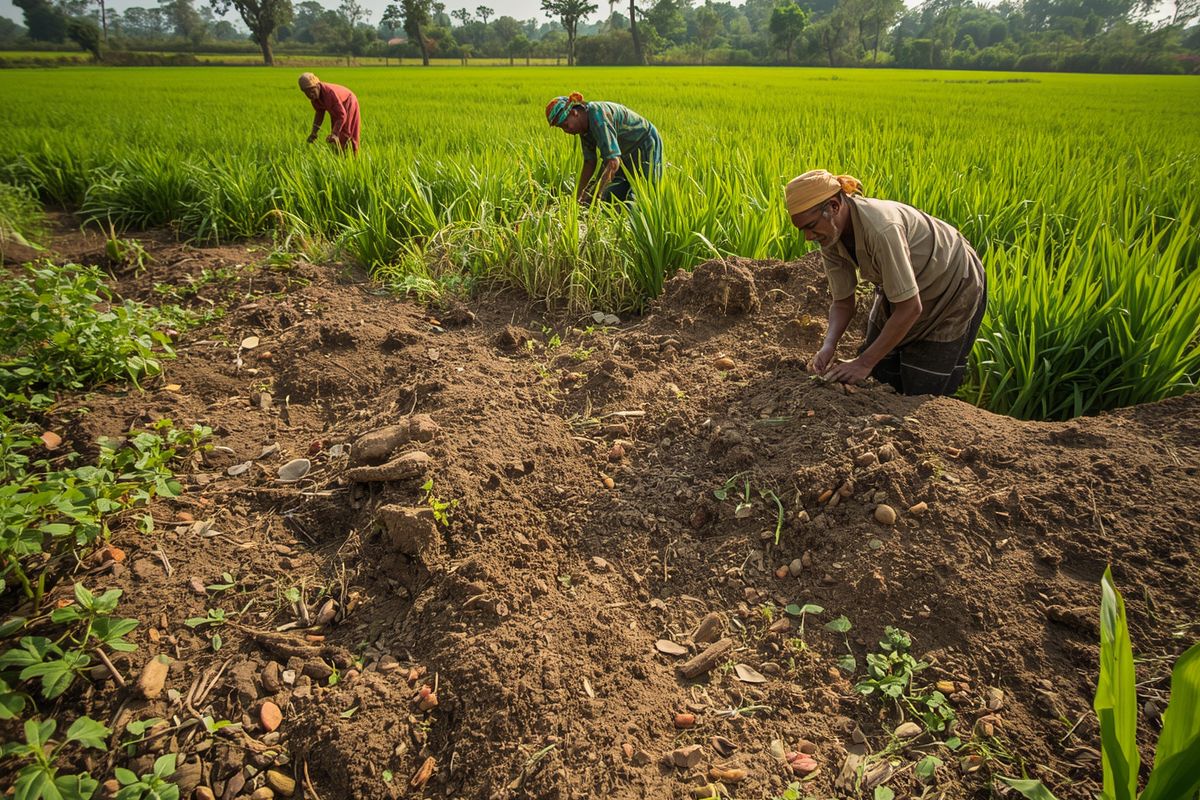
The Indian Council of Agricultural Research has released 184 improved crop varieties across 25 crops, giving farmers access to new options for improving productivity and managing climate-related risks. The new varieties include crops with traits linked to drought, heat, disease resistance and improved nutritional value.
The release comes as farmers face rising temperatures, irregular rainfall and increasing pest and disease pressure. Scientists are focusing on varieties that can perform under these conditions while maintaining good yields.
New Varieties Cover 25 Crops
The new varieties cover a wide range of crops grown across different parts of India. The release includes cereals, pulses, oilseeds and other crops.
The varieties were developed through research programmes involving ICAR institutes and partner agricultural research organisations. Their traits vary according to the crop and target production region.
For farmers, the availability of more varieties gives them a wider choice when selecting seeds based on local soil, rainfall and climate conditions.
Climate change has increased the risk of crop losses from heat, drought, flooding and irregular rainfall.
Scientists are therefore developing varieties that can tolerate specific stresses. A drought-tolerant variety can help farmers in rainfed areas, while flood-tolerant crops can reduce losses in areas that regularly face waterlogging.
Disease resistance is another important trait because it can reduce crop losses and lower dependence on repeated crop protection measures.
Nutrition Also Gets Attention
Some of the newly developed varieties have been selected for improved nutritional characteristics.
Biofortified crops can contain higher levels of nutrients such as iron, zinc, protein or other important dietary components. Such varieties can provide benefits both to farmers and consumers when they are widely adopted.
For farmers, varieties that combine good yields with better nutritional quality can also create opportunities in specialised food markets.
Among the recent developments, ICAR and ICRISAT have announced the world’s first three-way pearl millet hybrid. The hybrid is part of the wider release of improved varieties and is aimed at strengthening pearl millet production.
Pearl millet is important in dryland agriculture because it can grow under relatively low-water conditions. Improved hybrids can help farmers maintain production in areas where rainfall is uncertain.
Getting New Seeds to Farmers
Developing a variety is only the first step. Farmers need access to quality seed, information about suitable growing regions and advice on cultivation practices.
ICAR’s extension network and Krishi Vigyan Kendras can help with demonstrations and farmer training. ICAR says its KVK network has already assessed thousands of technologies through on-farm trials and provides advisories to farmers.
The impact of the 184 new varieties will depend on how quickly quality seed reaches farmers and how well the varieties perform under local field conditions.
For Indian agriculture, the release marks a continued shift towards crops that can produce more while handling climate and production stresses. The next challenge is taking these varieties from research stations to farmers’ fields at scale.
Also Read: Punarnava Jal – The world’s first organic fertilizer! Know how it is beneficial for farmers?
Contact us – If farmers want to share any valuable information or experiences related to farming, they can connect with us via phone or whatsapp at 9599273766 or you can write to us at “kisanofindia.mail@gmail.com”. Through Kisan of India, we will convey your message to the people, because we believe that if the farmers are advanced then the country is happy.
You can connect with Kisan of India on Facebook, Twitter, and Whatsapp and Subscribe to our YouTube channel.