


Ancient Grains, Modern Gains : Re-evaluating Forgotten Crops like Kodo, Kulthi and Ragi for Today’s Indian Farming

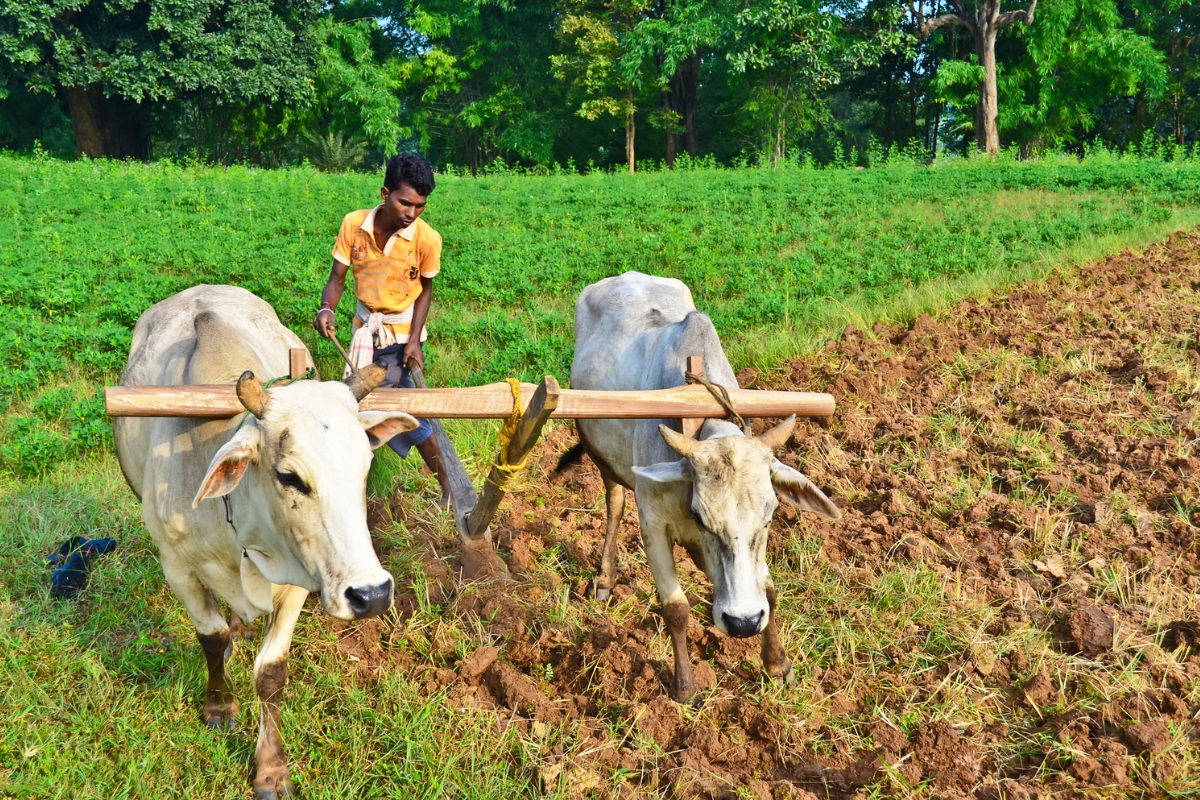
Ancient Grains: For generations, Indian farmers cultivated crops that needed little water, survived poor soils, and nourished families with strength and stamina. Kodo millet, kulthi or horse gram, and ragi were once part of everyday farming and food systems across many regions. They were not considered special crops, but dependable staples. Over time, these crops were pushed aside by rice, wheat, and a few cash crops. Today, changing climate patterns, rising input costs, declining soil health, and widespread nutrition deficiencies are forcing a fresh look at these traditional crops. Modern agricultural science is now confirming what farmers once knew from experience: these forgotten crops are not outdated, they are future-ready.
Indian agriculture currently faces multiple pressures at the same time. Rainfall has become unpredictable, heat stress is increasing, fertiliser and irrigation costs are rising, and soils in many regions are losing their natural fertility. At the same time, there is growing demand for nutritious food that supports health and metabolism. Research institutions like ICAR and NBPGR classify crops such as kodo millet, kulthi, and ragi as under-utilised but high-potential crops. These crops were never low in value; they were simply ignored because they did not suit intensive, high-input farming models. Today, their ability to grow in difficult conditions, support nutrition security, and open new market opportunities makes them highly relevant again.
Kodo Millet: Climate-Smart Grain for Marginal Lands
Kodo millet is one of the most climate-resilient grains traditionally grown in central and eastern India, especially in Madhya Pradesh, Chhattisgarh, Odisha, and parts of Maharashtra. ICAR studies show that kodo millet performs well in low-fertility soils and needs very little irrigation. It tolerates drought and erratic rainfall and can grow on sloping or degraded land where other cereals fail. With a crop duration of around three to four months, it fits well into rainfed farming systems.
Nutritional data from IIMR shows that kodo millet is high in dietary fibre, has a low glycaemic index, contains useful amounts of iron, and is naturally gluten-free. Compared to polished rice, it releases energy slowly and keeps the stomach full for longer. For farmers, this translates into lower input costs, stable yields under stress, suitability for intercropping, and growing demand from health-food processors. Kodo millet is slowly shifting from being seen as a survival crop to a value crop.
Kulthi (Horse Gram): The Hardiest Pulse in Dry Regions
Kulthi, also known as horse gram, is one of India’s oldest pulses and one of the toughest legumes grown by farmers. It has traditionally been cultivated in dry and hilly regions of Karnataka, Telangana, Maharashtra, Tamil Nadu, and Odisha. ICAR research identifies kulthi as one of the most drought-tolerant pulses, capable of growing with minimal rainfall and in poor or rocky soils.
As a legume, kulthi fixes nitrogen naturally, improving soil fertility for the next crop. It is used not only as grain but also as fodder and green manure, making it valuable in mixed farming systems. Nutritional studies show that kulthi is high in protein, rich in iron and calcium, and contains strong antioxidant compounds. It has long been used in traditional diets and Ayurveda for supporting metabolism and kidney health. For farmers, kulthi improves soil health, reduces fertiliser needs, provides livestock feed during dry periods, and is seeing renewed demand from health and traditional medicine markets.
Ragi: A Proven Nutrition Crop with Established Markets
Ragi or finger millet stands out as one of the most researched traditional grains in India. ICAR-IIMR Hyderabad recognises ragi as a key crop for nutrition security. Agronomically, ragi tolerates drought and heat, grows well in red and laterite soils, and requires much less water than rice or wheat. It is especially suitable for hilly, tribal, and rainfed regions.
Nutritional datasets from ICAR and IIMR show that ragi contains the highest calcium among all cereals, along with good iron content, high dietary fibre, and a low glycaemic index. Because of these qualities, ragi is particularly beneficial for children, pregnant women, elderly people, and those managing diabetes. Unlike many forgotten crops, ragi already has established markets, including government procurement in some states, demand from food processors for flour, malt, snacks, and baby food, and growing export interest as a gluten-free grain.
Nutrition Security for Farming Families
Together, kodo millet, kulthi, and ragi play an important role in nutrition security, especially in rural areas. India continues to face widespread deficiencies of iron, calcium, and dietary fibre, which rice- and wheat-dominated diets cannot address on their own. Diets that include these traditional grains and pulses support better digestion, slower energy release, improved micronutrient intake, and lower risk of lifestyle diseases.
ICAR nutrition research links millet- and pulse-based diets with improved gut health, better immunity, and reduced risk of diabetes. For farming families, growing these crops also means eating better without depending on costly supplements or processed foods.
Soil Health and Long-Term Sustainability
These crops are not demanding on the soil; instead, they help restore it. Their root systems improve soil structure, legumes like kulthi naturally enrich soil nitrogen, and crop residues add organic matter back to the land. Because they require fewer chemical inputs, they reduce long-term damage to soils and surrounding ecosystems.
NBPGR highlights that traditional crops help maintain genetic diversity, which stabilises farming systems and reduces long-term vulnerability. For farmers facing declining soil productivity, these crops help rebuild fertility naturally rather than temporarily boosting yields through chemicals.
Value Addition and Export Opportunities
There is growing demand in India and abroad for gluten-free grains, low-glycaemic foods, and traditional or organic products. India already exports millets and pulses, and under-utilised crops such as kodo and kulthi offer new branding and processing opportunities.
Value-added products include millet flours, ready-to-cook grains, health snacks, and ingredients for Ayurvedic formulations. Farmers organised through FPOs and cooperatives are best positioned to access these markets and negotiate better prices.
Practical Challenges Farmers Should Know
These crops are strong, but they are not without challenges. De-hulling and cleaning facilities may be limited, market awareness is still developing in many regions, and yields may be lower than those of high-input crops. However, the risks and costs are also much lower. The practical approach is gradual diversification, collective processing, and building local demand rather than abandoning existing crops suddenly.
Where These Crops Fit Best
Kodo millet, kulthi, and ragi are best suited for rainfed areas, marginal and tribal regions, mixed farming systems, and organic or low-input farms. They are not meant to replace rice or wheat everywhere, but to reduce risk and strengthen resilience where farming is most vulnerable.
Old Crops, New Confidence
These ancient crops were not forgotten because they failed. They were forgotten because farming systems changed. Today, climate realities, nutrition needs, and scientific evidence are bringing them back with renewed confidence. For Indian farmers, kodo millet, kulthi, and ragi offer lower risk, lower input costs, better nutrition, healthier soils, and access to emerging markets. Ancient grains are no longer about the past. They are practical tools for a stable and secure farming future.
Contact us: If farmers want to share information or experiences related to farming with us, then they can do this by calling us on the phone number 9599273766 or by writing an email to kisanofindia.mail@gmail.com or by sending your recording. Through Kisan of India, we will convey your message to the people, because we believe that if the farmers are advanced then the country is happy.
