


Biochar, Earthworms & the Next Revolution Below Ground
How Carbon, Creatures, and Care Are Rebuilding Indian Soils ?

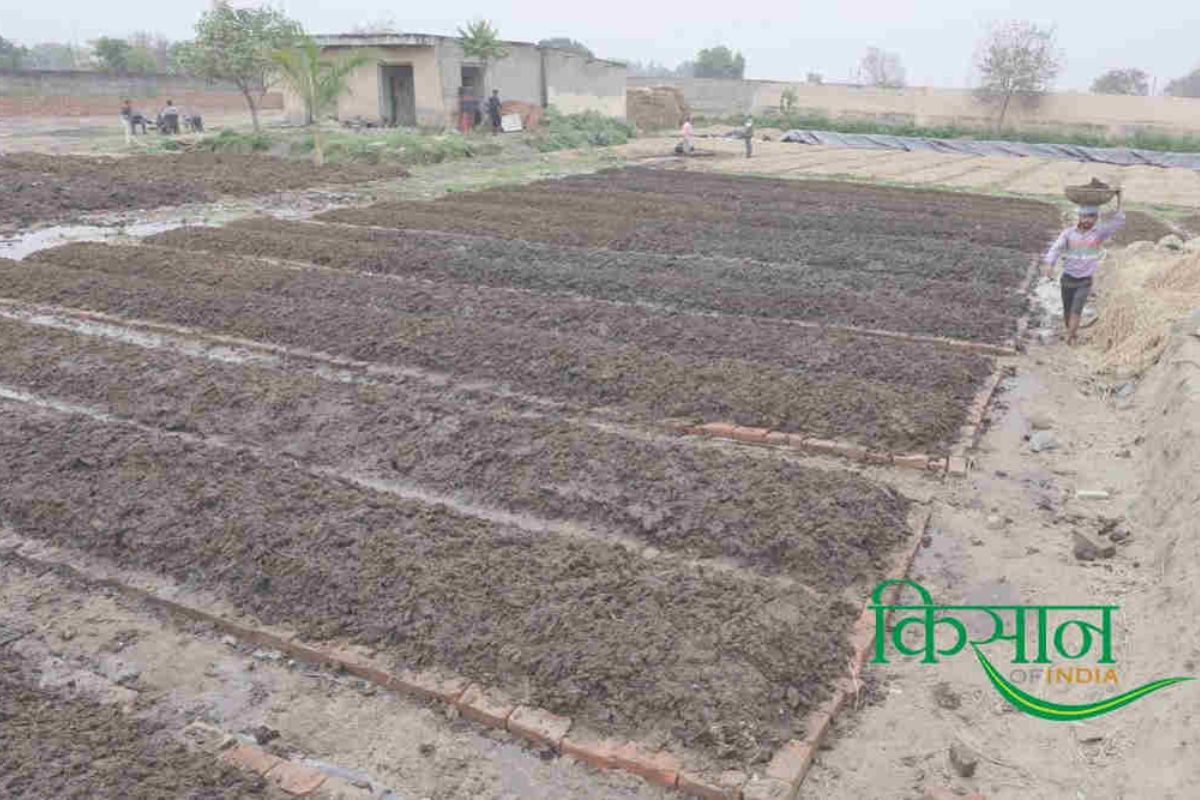
For decades, India’s agricultural focus has remained above ground—better seeds, higher yields, faster harvests. But a quieter revolution is now unfolding beneath our feet. Scientists, farmers, and soil practitioners are rediscovering two ancient allies of fertile land: biochar and earthworms. Together, they are offering a science-backed pathway to regenerate tired soils, store carbon, and restore long-term productivity—especially in regions stressed by climate change and intensive farming.
Field trials and pilot projects across Madhya Pradesh, Telangana, and Tamil Nadu suggest that this below-ground approach could be one of the most practical soil solutions for Indian farmers in the coming decades.
Why Soil Regeneration Matters Now ?
Indian soils are under strain. Continuous mono-cropping, excessive chemical fertilisers, declining organic matter, and erratic rainfall have reduced soil structure and biological life in many regions. According to assessments by ICAR-NBSS&LUP, large tracts of cultivated land show low organic carbon, poor aggregation, and reduced water-holding capacity.
This degradation directly affects farmers:
• crops respond less to fertilisers
• irrigation demand increases
• resilience to drought and heat declines
Regeneration, therefore, is not an environmental luxury—it is an economic necessity.
What Is Biochar? Old Idea, New Science
Biochar is a charcoal-like material produced by heating crop residues—such as rice husk, maize cobs, cotton stalks, or bamboo—in low-oxygen conditions (a process called pyrolysis). Unlike ash, biochar does not burn away nutrients. Instead, it locks carbon into a stable form that can persist in soil for hundreds of years.
Ancient Amazonian soils, known as Terra Preta, inspired modern biochar research. These soils remain fertile centuries later due to charcoal-rich organic matter. Today, institutions like TERI and FAO are studying how similar principles can work in Indian agro-climatic conditions.
Biochar Is Not Ash: Clearing a Common Misunderstanding
Many farmers confuse biochar with ash from crop residue burning. This section can clearly explain:
• Ash = nutrients without carbon, dissolves quickly
• Biochar = stable carbon with pores, long-term soil benefit
• Why ash raises pH suddenly but biochar buffers slowly
• Why burning residue in open fields destroys value, while controlled biochar retains it
How Biochar Improves Indian Soils
Biochar acts less like fertiliser and more like soil infrastructure.
Its key benefits include:
• Improved water retention: Porous structure holds moisture, critical in rainfed regions.
• Better nutrient efficiency: Biochar adsorbs nutrients like nitrogen and potassium, reducing leaching losses.
• Carbon storage: Each tonne of biochar applied can lock away significant amounts of carbon, helping climate mitigation.
• Microbial habitat: Its pores provide shelter for beneficial bacteria and fungi.
Field studies cited by FAO show that biochar-amended soils respond better to compost and organic inputs than untreated soils.
Earthworms: The Original Soil Engineers
Long before machines or chemicals, earthworms managed soil fertility. Charles Darwin famously called them “nature’s ploughs,” and modern soil science agrees.
Earthworms:
• create channels that improve aeration and drainage
• mix organic matter with mineral soil
• convert residues into nutrient-rich casts
• stimulate microbial activity
In Indian conditions, species like Eisenia fetida and Perionyx excavatus are commonly used in vermiculture and field applications.
Why Biochar and Earthworms Work Better Together
Individually, biochar and earthworms help soil. Together, they amplify each other’s benefits.
Biochar provides:
• stable habitat for microbes
• buffering against acidity or salinity
Earthworms provide:
• biological mixing of biochar into soil
• faster colonisation of biochar pores by microbes
• conversion of organic residues into plant-available nutrients
Studies from ICAR-affiliated projects indicate that soils receiving biochar + vermicompost show faster improvement in structure and nutrient cycling than soils receiving either input alone.
Which Crops Respond Best to Biochar + Earthworms
• Pulses: better nodulation and root health
• Millets: moisture retention and nutrient efficiency
• Cotton: root depth and fertiliser response
• Vegetables: soil structure and microbial activity
• Orchards: long-term soil carbon buildup
Evidence from Madhya Pradesh
In parts of central Madhya Pradesh, pilot trials on soybean–wheat systems tested biochar made from crop residues combined with vermicompost. Results showed:
• improved soil moisture retention during dry spells
• higher earthworm populations within one season
• modest but consistent yield stability under moisture stress
Farmers reported that soils became “lighter,” easier to till, and less prone to surface crusting—an important benefit for rainfed agriculture.
Telangana’s Dryland Experiments
In Telangana’s semi-arid zones, biochar trials focused on cotton and red gram. Here, biochar was applied at low doses (1–2 tonnes per hectare) along with organic manures.
Outcomes included:
• reduced irrigation frequency
• improved root penetration
• better crop response to fertilisers
When vermiculture units were added at village level, farmers began recycling crop residues locally instead of burning them—reducing residue management problems.
Tamil Nadu: Integrating with Organic Systems
In Tamil Nadu, biochar has been tested within organic and natural farming systems. Rice husk biochar combined with vermicompost showed:
• better soil aggregation
• reduced nitrogen losses in paddy
• increased microbial biomass
These trials highlighted that biochar works best not as a standalone input, but as part of an organic management system.
Practical Considerations for Farmers
Biochar is not a quick fix. Farmers must understand:
• Source matters: Biochar quality depends on feedstock and production method.
• Dose matters: Excess application can temporarily lock nutrients.
• Activation helps: Mixing biochar with compost or slurry before application improves results.
Earthworms also require:
• moisture
• organic feed
• minimal chemical disturbance
Without these conditions, benefits decline.
Cost, Labour, and Scalability
One concern is cost and labour. On-farm biochar production requires simple kilns or pits, but training is essential. Community-level units, supported by FPOs or panchayats, are emerging as viable models.
Long-term economics matter more than one-season yield jumps. Biochar improves soil slowly but steadily—making it suitable for farmers thinking in 5–10 year horizons.
Climate and Carbon Perspective
From a climate lens, biochar is unique. Unlike compost, which decomposes, biochar locks carbon away. FAO estimates suggest that widespread biochar adoption could significantly reduce agricultural emissions while improving resilience.
For India, where residue burning is a major issue, converting waste into biochar offers both environmental and agronomic benefits.
What Biochar Will NOT Do
• Will not replace fertilisers overnight
• Will not fix salinity without drainage
• Will not show dramatic yield jump in one season
• Needs biology and moisture to work
A Soil Revolution That Farmers Can Lead
The biochar–earthworm approach does not replace fertilisers overnight, nor does it promise instant miracles. What it offers is something more valuable: control over soil health.
By rebuilding carbon, biology, and structure below ground, farmers reduce dependence on external inputs above ground. This is regeneration rooted in science, but aligned with traditional wisdom.
The next agricultural revolution may not come from a new seed or machine—but from how we care for the living world beneath our feet.
Contact us: If farmers want to share information or experiences related to farming with us, then they can do this by calling us on the phone number 9599273766 or by writing an email to kisanofindia.mail@gmail.com or by sending your recording. Through Kisan of India, we will convey your message to the people, because we believe that if the farmers are advanced then the country is happy.
