


How Roots Breathe: The Hidden Role of Oxygen in Soil
Why air in soil matters as much as water for crop health and yield ?

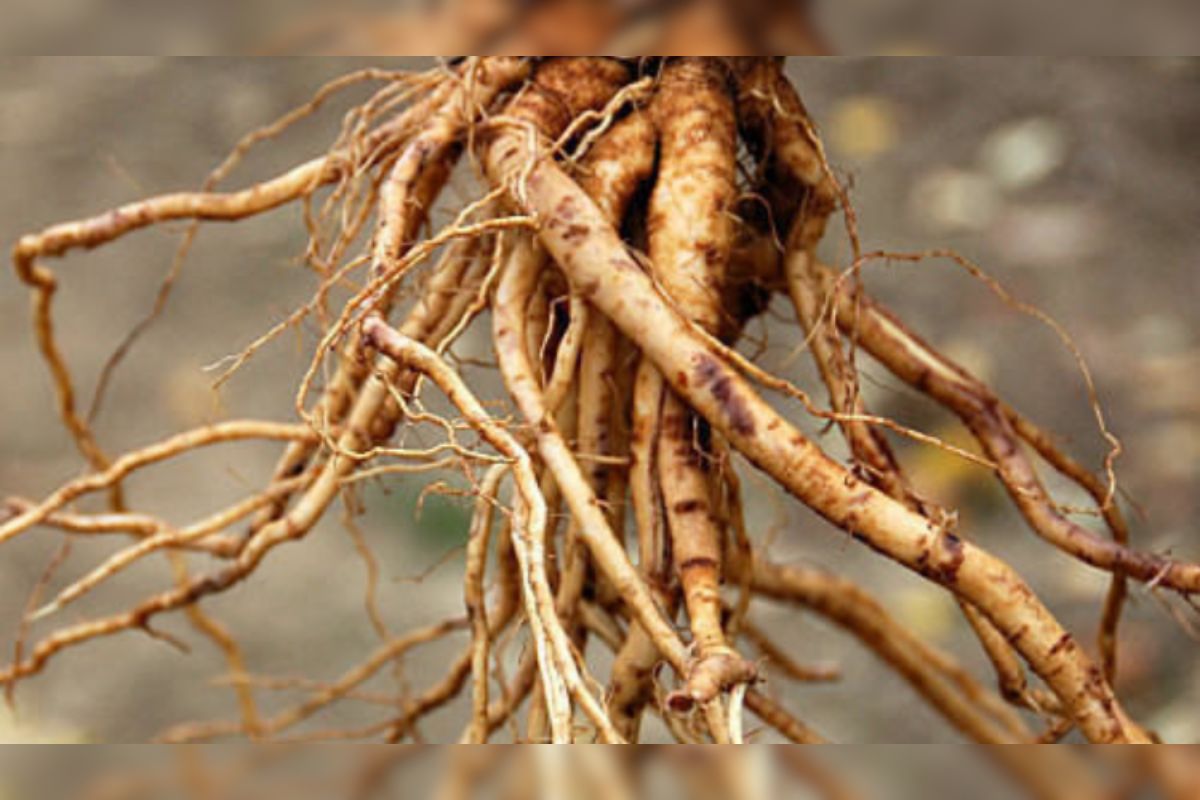
How Roots Breathe: Farmers usually think of soil as a place that holds roots and water. Science shows that soil has a third, equally critical role: it must supply oxygen. Roots do not just absorb water and nutrients; they also breathe. When this breathing is disturbed, crops suffer even if irrigation and fertiliser are adequate.
Many field problems that farmers face—sudden wilting after irrigation, yellowing despite fertiliser, weak roots, poor yield—are often caused not by lack of water, but by lack of oxygen in the root zone.
This is not theory. It is basic plant physiology.
Roots Are Living Organs That Need Oxygen
Roots respire just like animals, though invisibly. Inside root cells, oxygen is required to break down sugars and release energy. This energy drives:
• root growth
• nutrient uptake
• water absorption
• resistance to stress
Without oxygen, roots cannot function normally. Instead of producing energy efficiently, they shift to emergency metabolism, which produces far less energy and harmful by-products.
Once this shift happens, root growth slows, fine roots die, and nutrient uptake collapses—even if soil looks wet and fertile.
Why Did This Happen in My Field?
If you see this in your field → the likely oxygen problem is:
If the crop wilts soon after irrigation or rainfall
→ Roots are suffocating due to lack of oxygen in the soil
If leaves turn yellow even after applying fertiliser
→ Roots cannot absorb nutrients because they are not breathing
If roots look brown or black, or smell rotten
→ Anaerobic conditions have begun and fine roots are dying
If the crop recovers very slowly after rain
→ Soil is compacted and air movement is blocked
Many times the problem is not lack of water, but lack of air.
Where Does Oxygen in Soil Come From?
Soil is not a solid mass. A healthy soil is made up of:
• soil particles (sand, silt, clay)
• water-filled pores
• air-filled pores
These tiny spaces between soil particles are called pore spaces. Some pores hold water, others hold air. Oxygen moves from the atmosphere into the soil through these air-filled pores by diffusion.
For healthy roots, soil must have:
• enough water-filled pores (for moisture)
• enough air-filled pores (for oxygen)
The balance between these two decides whether roots can breathe.
Air–Water Balance: The Core of Root Health
Problems begin when this balance is disturbed.
Too Much Water
When soil becomes saturated:
• air-filled pores fill with water
• oxygen movement slows dramatically
• roots suffocate
This happens during:
• over-irrigation
• heavy rainfall
• poor drainage
• compacted soils
Too Little Water
When soil is extremely dry:
• root tips dry out
• respiration slows due to dehydration
• nutrient transport breaks down
Thus, both extremes damage root respiration. Roots need moist but aerated soil, not flooded or bone-dry conditions.
Which Crops Are Most Sensitive to Poor Root Oxygen ?
Crop-wise sensitivity to oxygen stress
Rice (transplanted)
→ Tolerant in flooded stages, sensitive during seedling establishment
Wheat
→ Highly sensitive during tillering and grain filling
Cotton
→ Extremely sensitive to waterlogging at any stage
Pulses (chickpea, pigeon pea, mung)
→ Most sensitive during flowering
Vegetables
→ Shallow roots, very sensitive even to short waterlogging
This is why irrigation timing must differ by crop, not follow one rule.
What Happens Inside Roots When Oxygen Is Low ?
Scientific studies show that within hours of oxygen shortage:
• root respiration drops sharply
• energy production falls
• nutrient uptake of nitrogen, phosphorus, potassium slows
• toxic compounds like ethanol and lactic acid accumulate
• fine root hairs die first
Above ground, this appears as:
• wilting despite wet soil
• yellow or pale leaves
• stunted growth
• poor response to fertiliser
Farmers often misdiagnose this as nutrient deficiency or disease, when the real cause is root suffocation.
Soil Type Controls How Fast Roots Suffocate
Not all soils behave the same.
Sandy Soils
• drain water quickly
• allow rapid oxygen movement
• low risk of suffocation
• high risk of drought stress
Loamy Soils
• best balance of air and water
• ideal for root respiration
• most forgiving for irrigation timing
Clay Soils
• hold water tightly
• air movement is slow
• high risk of oxygen shortage after irrigation or rain
• cracks form when dry, breaking roots
This is why the same irrigation practice works in one field and fails in another.
Compaction: The Silent Killer of Root Oxygen
Soil compaction is one of the biggest threats to root breathing.
Compaction:
• collapses pore spaces
• reduces air-filled pores
• slows oxygen diffusion
• traps carbon dioxide around roots
Causes include:
• repeated tractor movement
• working soil when wet
• heavy machinery
• livestock trampling
Compacted soils may look moist but behave like sealed containers underground.
Why Over-Irrigation Is More Dangerous Than Under-Irrigation ?
From a scientific perspective, short-term water stress is often less damaging than oxygen stress.
Plants can recover from mild drought once water returns.
Roots cannot recover easily once oxygen-starved tissue dies.
This is why:
• “extra safety irrigation” can reduce yield
• waterlogging causes long-term damage
• crops fail even with abundant water
Roots need oxygen every hour, not occasionally.
How Roots, Microbes, and Oxygen Are Linked ?
Beneficial soil microbes also need oxygen. When soil becomes anaerobic:
• helpful microbes decline
• harmful microbes increase
• nutrient cycling slows
• nitrogen losses rise
Poor root oxygen therefore affects both plant health and soil fertility.
Practical Signals Farmers Can Observe
Field signs of poor root aeration include:
• wilting after irrigation
• yellowing without clear deficiency pattern
• slow recovery after rain
• shallow, brown, or rotten roots
• foul smell in soil
These signals point to oxygen stress, not water shortage.
A Simple Field Test Farmers Can Do Themselves
Check if roots are getting oxygen — no tools required
24 hours after irrigation or rain:
• Dig soil 15–20 cm deep
• Smell the soil
• Observe the colour
Healthy oxygenated soil
→ earthy smell, brown colour
Oxygen-poor soil
→ foul smell, grey or black patches
This simple test helps farmers detect root stress early.
Farming Practices That Improve Root Breathing
Science-based solutions include:
• avoid irrigating heavy soils too frequently
• ensure field drainage, especially in low areas
• reduce unnecessary tractor passes
• add organic matter to improve structure
• use raised beds where suitable
• combine irrigation with soil type, not habit
Even small improvements in soil aeration can restore root function and yield response.
A Common Myth and the Scientific Reality
Myth : “More water makes the crop stronger.”
Scientific reality :
Excess water that removes soil air
weakens roots
wastes fertiliser
increases disease risk
and reduces yield
Roots need water and oxygen together, not water alone.
The Core Scientific Message for Farmers
Roots do not live in water.
They live in air–water balance.
Water feeds crops.
Oxygen keeps them alive.
When roots breathe well:
• nutrients work better
• fertiliser efficiency improves
• crops tolerate stress
• yields stabilise
Many crop problems begin below ground, silently, hours before symptoms appear. Understanding how roots breathe gives farmers a powerful lens to diagnose fields more accurately and manage water more intelligently.
Healthy crops start with breathing roots.
Contact Details – If farmers want to share any valuable information or experiences related to farming, they can connect with us via phone or whatsapp at 9599273766 or you can write to us at “kisanofindia.mail@gmail.com”. Through Kisan of India, we will convey your message to the people, because we believe that if the farmers are advanced then the country is happy.
