


New GM & Gene-Edited Crops Debate in India : Cotton Lessons and Gene Editing in Mustard

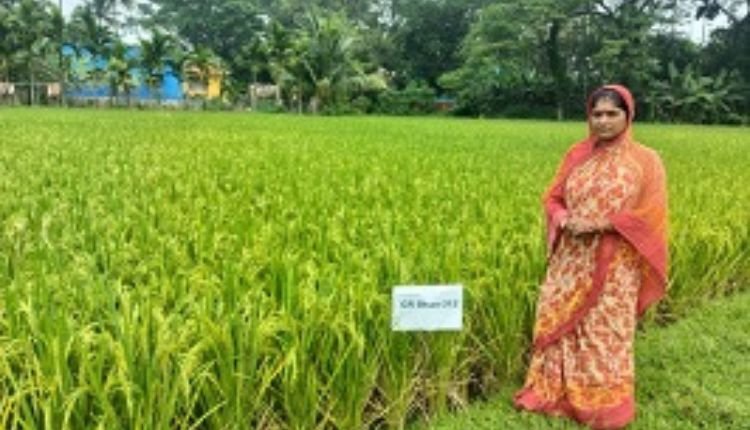
“नई किस्म सच में बेहतर है या जोखिम?” India is once again at a turning point in agricultural biotechnology. After two decades of experience with Bt cotton, the country is debating new genetically modified (GM) crops and gene-edited varieties, particularly in mustard. The questions being asked today are not very different from those raised in the early 2000s:
Is this technology truly better for farmers?
Will it increase yield and reduce costs?
Are there environmental or economic risks?
Who controls the seeds?
The debate is not only scientific; it is economic, regulatory, ecological, and political. To understand the present discussion on gene editing in mustard and other crops, it is important to revisit India’s experience with Bt cotton and global developments in gene-editing science.
Understanding GM and Gene Editing: What Is the Difference?
Genetically Modified (GM) crops are developed by inserting a gene from another organism into a plant to introduce a new trait. Bt cotton, for example, contains a gene from the bacterium Bacillus thuringiensis that enables the plant to produce a protein toxic to certain pests, mainly bollworms.
Gene editing, on the other hand, uses tools such as CRISPR-Cas systems to make precise changes within a plant’s own DNA. Instead of inserting foreign genes, gene editing often modifies existing genes to enhance or suppress specific traits. Some gene-edited crops may not contain foreign DNA at all.
The scientific distinction is important because regulatory frameworks in many countries treat gene-edited crops differently from traditional GM crops.
India’s Experience with Bt Cotton: A Historical Lesson
India approved Bt cotton for commercial cultivation in 2002 after biosafety trials conducted under the Genetic Engineering Appraisal Committee (GEAC), the country’s apex regulatory body under the Ministry of Environment, Forest and Climate Change.
At that time, cotton farmers were struggling with severe bollworm infestations and heavy pesticide use. Bt cotton promised:
• Reduced pesticide sprays
• Lower pest damage
• Higher yields
• Improved farmer income
Studies by institutions such as the Indian Council of Agricultural Research (ICAR) and independent economists have shown that Bt cotton adoption was rapid. By the 2010s, over 90 percent of India’s cotton area was under Bt varieties.
Yield trends initially improved significantly. Between 2002 and 2013, India’s cotton production increased substantially, and the country became one of the largest cotton exporters in the world. Pesticide use against bollworms declined in early years.
However, the story did not remain simple.
Pest Adaptation: The Pink Bollworm Challenge
One major scientific concern in GM crops is pest resistance. Insects evolve. When a large area is planted with a single pest-resistant trait, selection pressure increases.
Over time, reports emerged of pink bollworm developing resistance to Bt toxins, particularly in regions of Gujarat and Maharashtra. Studies by Indian agricultural universities and ICAR institutes confirmed resistance in certain populations.
This did not mean Bt cotton completely failed, but it showed a biological reality: no pest-control technology remains effective indefinitely without proper resistance management strategies.
Internationally, the United States and Australia implemented structured refuge strategies, where farmers are required to plant a percentage of non-Bt cotton to delay resistance. In India, compliance with refuge planting was uneven, which accelerated resistance development.
The Bt cotton experience teaches that biotechnology is not a one-time solution. It requires stewardship, monitoring, and adaptive management.
Yield Stability: Was Bt Cotton Responsible for Yield Growth?
There is ongoing debate among economists about how much of India’s cotton yield increase was directly due to Bt technology versus other factors such as:
• Increased irrigation
• Improved hybrids
• Fertiliser use
• Better market prices
Some studies suggest Bt cotton significantly reduced losses from bollworms and improved yield stability during high pest years. Others argue that long-term yield growth slowed after initial gains.
This complexity matters when evaluating new biotech crops. A new variety may perform well initially but requires long-term data for proper assessment.
Farmer Economics: Costs, Profits, and Dependency
Bt cotton seeds were initially expensive due to technology fees. Over time, government interventions capped seed prices in several states.
Economically, many farmers benefited during early adoption years due to reduced pesticide costs and higher yields. However, rising input costs, resistance issues, and secondary pests such as whitefly created new challenges.
The key economic question today remains:
Will new GM or gene-edited crops reduce risk and cost for farmers, or increase dependence on purchased seeds?
Mustard and Gene Editing: The Current Debate
India is one of the world’s largest edible oil importers. Increasing domestic oilseed production is a national priority.
GM mustard, particularly hybrid varieties developed using genetic modification techniques, has been under regulatory review for years. The GEAC recommended environmental release of certain GM mustard varieties after biosafety trials, but legal and public interest challenges delayed final approval.
Supporters argue:
• Hybrid mustard can improve yield
• Higher oil content improves productivity
• Reduced import dependence benefits the economy
Opponents raise concerns about:
• Cross-pollination risks
• Impact on biodiversity
• Long-term ecological consequences
• Adequacy of biosafety evaluation
The Supreme Court of India has heard multiple petitions regarding GM mustard, reflecting the sensitivity of the issue.
Gene Editing: A Regulatory Shift in India
In 2022, the Government of India issued guidelines exempting certain categories of gene-edited crops (SDN-1 and SDN-2 types) from stringent GMO regulations, provided they do not contain foreign DNA.
This regulatory shift aligns with approaches adopted by countries like the United States and Japan, where some gene-edited crops are regulated differently from transgenic GM crops.
The European Union, however, historically regulated gene-edited crops under strict GMO frameworks, although policy discussions are evolving.
India’s decision indicates a cautious but progressive approach toward gene editing.
International Debate: Global Perspectives
The global debate on GM and gene editing remains divided.
In the United States, GM crops such as soybean, maize, and cotton have been widely adopted for decades. The regulatory focus emphasizes product safety rather than the method of development.
In the European Union, public resistance to GM crops has been strong, leading to limited cultivation approvals. However, climate change and food security pressures have reopened discussions on gene editing.
In Africa, countries such as Nigeria and South Africa have approved GM crops, while others remain cautious.
The Food and Agriculture Organization (FAO) and World Health Organization (WHO) have repeatedly stated that approved GM foods on the market have not been shown to pose health risks, but they emphasize case-by-case evaluation.
Thus, international experience shows both technological potential and policy complexity.
Regulatory Science in India
India’s biosafety framework involves multiple stages:
• Laboratory evaluation
• Confined field trials
• Multi-location testing
• Environmental risk assessment
• Food and feed safety evaluation
The GEAC reviews data on toxicity, allergenicity, environmental impact, and gene stability.
Critics argue that transparency and independent long-term studies must be strengthened. Supporters argue that India already has one of the most rigorous approval systems among developing countries.
For farmers, regulatory strength matters because it builds confidence in safety and performance.
Environmental Considerations
Concerns often raised include:
• Impact on non-target organisms
• Soil biodiversity
• Gene flow to wild relatives
• Development of super weeds
Scientific studies globally show mixed outcomes depending on crop type and management.
For example, herbicide-tolerant GM crops in the Americas led to increased herbicide use in some cases, contributing to herbicide-resistant weeds.
India currently has no approved herbicide-tolerant GM food crop, reflecting regulatory caution.
Climate Change and Biotechnology
With rising temperatures, erratic rainfall, and new pest pressures, biotechnology is often presented as a tool to enhance resilience.
Gene editing could potentially help develop:
• Drought-tolerant varieties
• Disease-resistant crops
• Improved nutritional traits
• Climate-adaptive traits
However, biotechnology alone cannot replace agronomic management, soil health improvement, or integrated pest management.
The Core Question: “नई किस्म सच में बेहतर है या जोखिम?”
The answer depends on several factors:
1. Trait effectiveness
2. Long-term resistance management
3. Seed affordability
4. Regulatory transparency
5. Ecological stewardship
Bt cotton shows that biotechnology can deliver benefits, but also that biological systems adapt.
Gene editing promises precision, but precision does not eliminate ecological dynamics.
What Farmers Should Consider
Before adopting any GM or gene-edited crop, farmers should evaluate:
• Performance data from local trials
• Cost of seeds
• Pest management recommendations
• Market acceptance
• Government policy clarity
Technology works best when integrated with:
• Crop rotation
• Balanced fertilisation
• Monitoring of pest resistance
• Soil health management
Economic and Policy Balance
India’s edible oil import bill is large. Increasing mustard yield could reduce imports and improve farmer income.
But economic benefit must be weighed against ecological and social considerations.
Public dialogue, transparent data sharing, and independent research are essential to maintain trust.
Science, Caution, and Responsibility
India’s experience with Bt cotton provides both encouragement and warning.
Encouragement because biotechnology improved pest control and production in early years.
Warning because resistance, secondary pests, and economic complexities emerged later.
Gene editing represents a new chapter. It offers targeted solutions but demands responsible governance.
For farmers, the issue is not ideological. It is practical:
Will this variety reduce risk?
Will it increase income?
Will it remain effective over time?
The debate must move beyond slogans toward evidence-based evaluation.
In agriculture, no technology is permanent. Every innovation requires monitoring, adjustment, and accountability.
The real strength lies not only in genes, but in how wisely they are used.
India stands at a crossroads again. The decisions taken today on GM and gene-edited crops will shape farming economics, environmental balance, and food security for decades.
The question is not simply whether new technology is good or bad.
The question is whether it is prepared, regulated, and managed well enough to serve the farmer – sustainably.
Contact us: If farmers want to share information or experiences related to farming with us, then they can do this by calling us on the phone number 9599273766 or by writing an email to kisanofindia.mail@gmail.com or by sending your recording. Through Kisan of India, we will convey your message to the people, because we believe that if the farmers are advanced then the country is happy.
You can connect with Kisan of India on Facebook, Twitter, and Whatsapp and Subscribe to our YouTube channel.
