


Strategic Technology Transfer: How Farmer-Led Innovation Is Reaching the Market

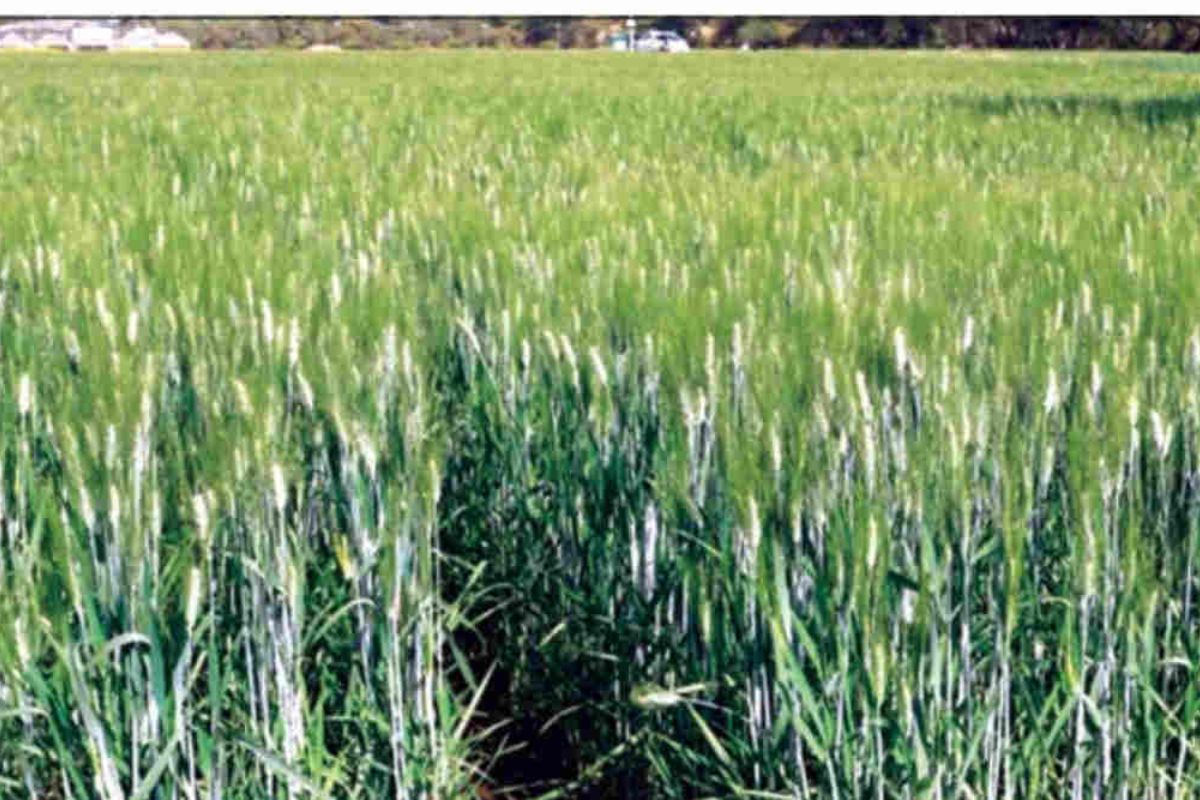
Strategic Technology Transfer: From Varanasi Fields to Commercial Seeds — What It Means for Indian Farmers
India’s agriculture story has always been built on two pillars — science and farmers’ experience. While research institutions develop improved crop varieties, many breakthroughs also come directly from farmers who experiment in their own fields.
A recent development highlights this powerful combination. Five high-yielding crop varieties developed by farmer innovators from Varanasi, with support from the National Innovation Foundation – India (NIF), have now been formally transferred to a Nagpur-based company for commercialisation. This step is more than just a seed agreement — it represents a structured pathway for farmer-led innovation to reach larger markets.
For farmers across India, this raises important questions:
• What does technology transfer mean?
• How does it benefit ordinary farmers?
• Are these varieties suitable for different agro-climatic zones?
• What are the practical advantages of these wheat and pigeon pea varieties?
Let us understand this development in detail.
What Is Strategic Technology Transfer in Agriculture?
Technology transfer in agriculture refers to the formal process through which a new crop variety, developed by a breeder or innovator, is legally transferred to a company or organisation for seed multiplication, production, and marketing.
In this case, the National Innovation Foundation (NIF), an autonomous institution under the Department of Science and Technology (DST), facilitated agreements to transfer five farmer-developed plant varieties to Ginni Agro Products Limited (GAPL), Nagpur.
This means:
• The varieties can now be produced at scale.
• Certified or Truthfully Labelled (TL) seeds can be distributed.
• Farmers across multiple states can access quality planting material.
• Innovator farmers receive recognition and potential financial returns.
Such agreements help integrate grassroots innovation into formal seed systems.
Why This Is Important for Farmers ?
Often, farmer-developed varieties remain local because they lack seed multiplication networks, regulatory compliance, or marketing channels. Without structured transfer, even high-performing varieties fail to reach wider farming communities.
This agreement ensures:
• Large-scale seed production
• Quality control in multiplication
• Processing and packaging standards
• Legal protection for farmer innovators
• Availability in multiple states
The designated territories include Maharashtra, Chhattisgarh, Rajasthan, Gujarat, and parts of Madhya Pradesh — major wheat and pigeon pea growing regions.
For farmers in these states, access to new high-yielding and stress-resilient varieties could directly influence income and productivity.
The Wheat Varieties: Performance, Structure and Nutrition
Three wheat varieties have been transferred under this agreement: Kudrat-8, Kudrat-9, and Annapurna.
Let us understand their agronomic strengths.
Kudrat-8 (Wheat): Compact Structure with High Yield Stability
Kudrat-8 is a high-yielding wheat variety with a yield potential of up to 65.41 quintals per hectare. What makes it interesting is not just yield, but plant architecture.
Key characteristics include:
• Dwarf height of 76 cm
• Around 50 grains per spike
• High test weight of 52 grams
• Approximately 390 tillers per square meter
• Higher biomass per plant (18 g)
The dwarf structure is significant. Shorter plants reduce lodging risk, especially in regions experiencing high wind or untimely rain during grain filling. Lodging resistance directly protects yield.
Additionally, Kudrat-8 has shown moderate resistance to aphids and resistance to leaf rust — a major wheat disease. Reduced disease pressure means lower spray costs and stable productivity.
For farmers practicing high-input wheat cultivation, this variety can provide structural stability along with strong grain filling.
Kudrat-9 (Wheat): Yield Plus Nutrition
Kudrat-9 demonstrates a yield potential up to 67 quintals per hectare. However, its key strength lies in bio-fortification.
Grain composition includes:
• 10–12% protein
• 47.58 ppm iron
• 23.77 ppm zinc
In India, micronutrient deficiency — especially iron and zinc — remains a nutritional concern. Bio-fortified wheat can support nutritional security while maintaining yield performance.
For farmers, bio-fortified varieties may:
• Command premium markets in future
• Fit government procurement for nutrition-linked schemes
• Provide dual advantage of yield and quality
Such varieties align with the national focus on nutrition-sensitive agriculture.
Annapurna (Wheat): Panicle Architecture and Grain Density
Annapurna wheat shows yield potential up to 60 quintals per hectare. Its distinguishing feature is panicle structure.
• Panicle length of about 25 cm
• High grain density — up to 80 long, bold seeds per panicle
A longer panicle with more grains per spike directly contributes to yield. Bold grain size also improves market preference and milling performance.
Farmers often judge wheat quality by grain boldness and test weight. Annapurna appears positioned for both yield and market acceptability.
The Pigeon Pea Varieties: Expanding Income Options
Two pigeon pea (arhar) varieties — Kudrat-3 and Lalita — are part of the transfer agreement.
Pigeon pea is a crucial pulse crop in central and western India. Yield stability and dal recovery are major economic factors.
Kudrat-3 (Pigeon Pea): Two Harvests Per Year
Kudrat-3 is a perennial pigeon pea variety capable of producing two harvests annually. This characteristic alone significantly changes income potential.
Yield performance:
• Cumulative annual yield up to 36.17 quintals per hectare
• Outperformed check varieties
• 6–8 cm long pods
• Average 5 bold seeds per pod
It is suitable for:
• Green pod consumption
• Grain production
The dry seeds have a red coat and sweeter taste. They can be marketed as whole arhar or processed into dal with bright yellow colour.
Dual harvest capability means:
• Better land utilisation
• Increased income per hectare
• Extended cropping cycle
This variety may suit farmers willing to manage perennial pulse systems.
Lalita (Pigeon Pea): High Dal Recovery and Organic Fit
Lalita is an annual pigeon pea variety with yield potential up to 30 quintals per hectare.
Key strengths include:
• Round red seeds
• High dal recovery above 80%
• Reduced breakage during milling
Dal recovery percentage directly influences profitability. Even small increases in recovery significantly improve returns for both farmers and millers.
Additionally, Lalita is suitable for organic cultivation, making it attractive for farmers practicing low-chemical systems.
How This Transfer Strengthens Farmer Rights ?
An important dimension of this development is farmer recognition. Historically, farmers who developed varieties received little institutional support or commercial recognition.
Through NIF facilitation:
• Innovator farmers receive formal acknowledgment
• Agreements ensure structured commercial rights
• Innovation remains linked to the original developer
This strengthens intellectual contribution from grassroots agriculture.
Farmer-led breeding is often based on:
• Local adaptation
• Field-level selection
• Stress resilience
• Farmer preference traits
Formalising such innovations bridges informal and formal seed systems.
Practical Implications for Farmers
For farmers considering these varieties, the following factors are important:
1. Agro-Climatic Suitability
These varieties are designated for Maharashtra, Chhattisgarh, Rajasthan, Gujarat, and parts of Madhya Pradesh. Local trials and demonstration plots will provide clarity on performance under specific soil and climate conditions.
2. Nutrient Management
High-yielding varieties respond well to balanced fertilisation. Particularly:
• Nitrogen timing
• Adequate potassium
• Micronutrient balance
Proper management ensures full yield potential.
3. Disease Monitoring
While Kudrat-8 shows leaf rust resistance, continuous monitoring remains necessary.
4. Market Linkage
Bio-fortified and high dal recovery varieties may open differentiated market channels.
Why Commercialisation Matters ?
Without commercialisation:
• Seed purity may decline
• Informal exchange may distort traits
• Availability remains limited
With structured multiplication:
• Seed standards improve
• Wider farmer access increases
• Yield potential can be realised at scale
This is especially important for pulses, where seed replacement rates remain relatively low in India.
A Shift Toward Farmer-Led Innovation Ecosystem
This agreement reflects a broader movement in Indian agriculture:
• Recognising grassroots innovators
• Linking farmers with formal institutions
• Encouraging participatory breeding
• Enhancing rural entrepreneurship
It also sends a message that innovation does not belong only to laboratories. It can emerge from farmers’ fields.
Economic and Productivity Outlook
If these varieties perform consistently across target regions:
• Wheat productivity may improve
• Pulse yields may stabilise
• Input-use efficiency may increase
• Innovators may gain sustainable income
Higher yield combined with better structural traits (lodging resistance) reduces risk.
In pigeon pea, higher dal recovery and dual harvest potential can significantly improve per-acre profitability.
The Larger Message for Indian Agriculture
Indian agriculture stands at a stage where:
• Climate variability is rising
• Nutritional security is critical
• Farmer income diversification is needed
• Seed quality determines productivity
Strategic technology transfer ensures that innovations developed at the grassroots do not remain isolated success stories but become scalable agricultural solutions.
Final Takeaway for Farmers
For farmers, this development represents opportunity. Access to improved varieties developed by fellow farmers, backed by institutional validation and commercial seed systems, creates a new pathway for growth.
Before adopting, farmers should:
• Evaluate local trials
• Consult agriculture officers
• Observe demonstration plots
• Compare with existing varieties
Innovation is strongest when combined with informed decision-making.
These five varieties represent more than seeds. They represent a model — where farmer innovation, scientific validation, and business partnerships come together to strengthen Indian agriculture.
The future of farming will not depend only on new inputs. It will depend on how well knowledge travels from field to field — and how farmers themselves become recognised innovators.
Also Read: Punarnava Jal – The world’s first organic fertilizer! Know how it is beneficial for farmers?
Contact us – If farmers want to share any valuable information or experiences related to farming, they can connect with us via phone or whatsapp at 9599273766 or you can write to us at “kisanofindia.mail@gmail.com”. Through Kisan of India, we will convey your message to the people, because we believe that if the farmers are advanced then the country is happy.
You can connect with Kisan of India on Facebook, Twitter, and Whatsapp and Subscribe to our YouTube channel.
