



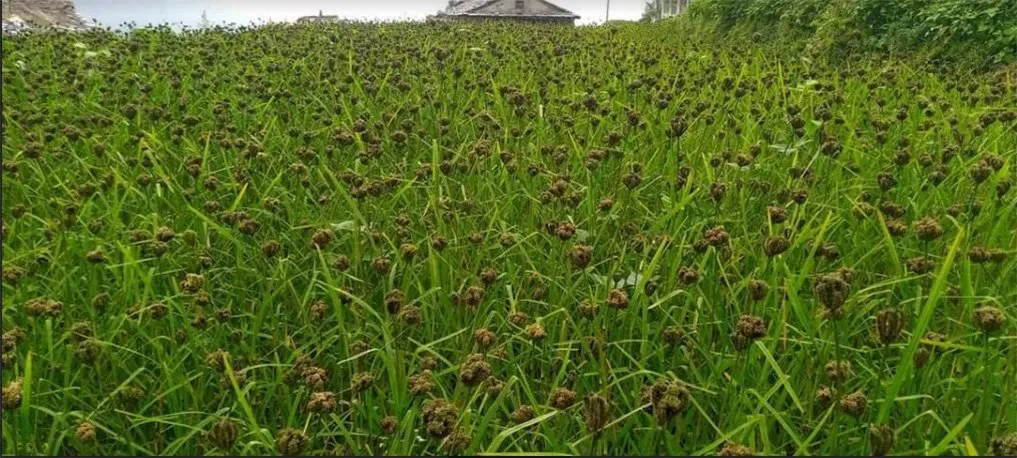
For centuries, millets were central to Indian agriculture. Farmers across dryland regions cultivated crops such as bajra, jowar, ragi, kodo, foxtail millet, and little millet because they survived difficult climates and poor soils better than many other grains. Villages built entire food systems around these crops long before modern irrigation systems transformed Indian farming.
That changed after the Green Revolution.
Government procurement systems, irrigation expansion, and public food policies strongly favoured wheat and rice production. Farmers gradually shifted toward high-yield cereal crops because those crops offered stronger market security and state support. Over time, millet cultivation shrank sharply across many regions. Younger generations increasingly viewed millets as backward or poor people’s food while polished rice and wheat became symbols of prosperity and modern agriculture.
Now the story is beginning to reverse.
Across India, farmers are slowly returning to millets again. But this time the shift is not driven by tradition alone. It is being shaped by climate pressure, groundwater decline, changing consumer demand, and growing concern about the long-term sustainability of water-intensive agriculture.
Climate Change Is Reshaping Crop Choices
The climate crisis is forcing Indian agriculture into difficult decisions. Heatwaves are arriving earlier, rainfall patterns are becoming unstable, and groundwater levels continue falling in several farming states. Agriculture experts say crops that depend heavily on irrigation may become increasingly risky in regions facing water stress and rising temperatures.
Millets are attracting attention because they survive difficult conditions better than many commercial cereals. Most millet varieties require much less water than paddy cultivation. They also tolerate drought, poor soils, and high temperatures more effectively. Researchers studying climate-resilient agriculture say traditional dryland crops may become essential for future food security as weather uncertainty increases.
In states such as Karnataka, Maharashtra, Telangana, Rajasthan, Odisha, and Chhattisgarh, farmers are gradually expanding millet cultivation again after years of decline. Agriculture experts believe this shift reflects a larger change happening inside Indian farming where resilience is becoming as important as productivity.
Water Scarcity Changed the Conversation
The return of millets is closely connected with India’s growing groundwater crisis.
Rice cultivation expanded rapidly during previous decades because irrigation and procurement systems supported paddy production strongly. But agriculture scientists increasingly warn that water-intensive farming models may become unsustainable in highly stressed regions.
Punjab became the clearest example of this challenge. Paddy cultivation transformed the state into one of India’s biggest rice producers even though large parts of Punjab naturally fall within semi-arid ecological zones. Massive groundwater extraction helped sustain this system for decades.
Now groundwater levels are falling sharply across many districts.
Agriculture experts say future crop planning must consider long-term water availability instead of focusing only on short-term production targets. Millets are increasingly promoted because they use less irrigation while still supporting grain production under dry conditions.
For policymakers, millets are no longer only traditional crops. They are now being discussed as strategic climate crops.
Farmers Are Rediscovering Older Knowledge
The return of millet cultivation is also reviving older farming knowledge that nearly disappeared from several regions. Older farmers still remember local millet varieties adapted to specific soils, rainfall patterns, and regional climates. Many of these crops survived difficult conditions long before chemical-intensive agriculture became dominant.
Researchers studying agricultural biodiversity say traditional millet systems often relied on mixed cropping, lower external inputs, and local seed conservation. Some villages maintained drought-resistant landraces capable of surviving highly variable weather.
As climate instability increases, agriculture scientists are paying closer attention to these older farming systems again.
Several agricultural universities and biodiversity organizations are now documenting indigenous millet varieties before they disappear completely. Seed banks and farmer networks are also working to revive traditional dryland crops across different states.
Urban India Suddenly Wants Millets Again
One of the biggest surprises in the millet revival came from cities.
Urban consumers who ignored millets for decades are now driving new demand through supermarkets, health-food brands, online grocery platforms, and restaurants. Millets are increasingly marketed as nutritious grains rich in fibre, minerals, and slow-digesting carbohydrates.
Restaurants now serve millet-based dosas, rotis, salads, snacks, noodles, and desserts. Food startups are launching packaged millet cereals, cookies, and breakfast products aimed at urban middle-class consumers.
Agriculture market analysts say this growing urban demand is helping farmers receive better prices for millet crops compared to earlier decades when market access remained weak.
Still, experts caution that premium urban branding alone cannot sustain large-scale millet expansion unless procurement, processing, and distribution systems improve simultaneously.
The Government Began Promoting Millets Aggressively
India’s millet push accelerated strongly after the United Nations declared 2023 as the International Year of Millets following India’s proposal. Since then, both central and state governments expanded campaigns promoting millet cultivation and consumption.
Several states introduced millet procurement programmes, awareness campaigns, farmer training systems, and millet-based nutrition schemes. Public distribution systems and school meal programmes also began experimenting with millet inclusion.
The government now promotes millets under broader themes such as:
- Climate-resilient agriculture
- Nutritional security
- Water conservation
- Sustainable farming
- Dryland agriculture
Agriculture experts say policy support helped bring millets back into mainstream agricultural discussion after decades of neglect.
Farmers Still Face Major Challenges
Despite rising interest, millet cultivation still faces several structural challenges.
Farmers often complain that procurement systems for millets remain weaker than rice and wheat procurement networks. Many growers struggle with storage, processing, and market linkage problems after harvest.
Traditional millet processing also requires more labour compared to polished rice and wheat products. Mechanization remains limited in some regions. Agriculture experts say supply chains for millets are still underdeveloped compared to major cereals.
Yield levels can also vary sharply depending on rainfall and local conditions. Some farmers hesitate to shift away from paddy because government procurement provides stronger economic security despite water-related concerns.
Researchers say millet expansion will require long-term institutional support rather than short-term promotional campaigns alone.
Millets Represent a Larger Agricultural Shift
The return of millets reflects something deeper happening inside Indian agriculture.
For decades, the country focused heavily on maximizing grain production through irrigation, fertilizer use, and cereal monocultures. That model helped India achieve food security after severe shortages during earlier decades.
But climate pressure is now forcing agriculture to reconsider older assumptions.
Questions about:
- Water sustainability
- Soil degradation
- Crop diversity
- Nutritional security
- Climate resilience
are becoming central to future agricultural planning.
Millets fit into this changing conversation because they represent a different farming philosophy built around adaptation rather than maximum input intensity.
The Future Farm May Look More Diverse
Agriculture experts increasingly believe India’s future farms may become more diverse than the large monoculture systems that dominated previous decades. Climate uncertainty may force farming systems to rely on crop diversity instead of depending heavily on a few water-intensive staples.
Millets alone will not replace rice or wheat completely. India’s food systems remain deeply tied to both cereals. But researchers say millets may regain a much larger role inside Indian agriculture than they held during recent decades.
The irony is difficult to miss.
The crops once dismissed as outdated may now become some of the most important crops for surviving the future climate crisis.
Also Read: Punarnava Jal – The world’s first organic fertilizer! Know how it is beneficial for farmers?
Contact us – If farmers want to share any valuable information or experiences related to farming, they can connect with us via phone or whatsapp at 9599273766 or you can write to us at “kisanofindia.mail@gmail.com”. Through Kisan of India, we will convey your message to the people, because we believe that if the farmers are advanced then the country is happy.
You can connect with Kisan of India on Facebook, Twitter, and Whatsapp and Subscribe to our YouTube channel.