



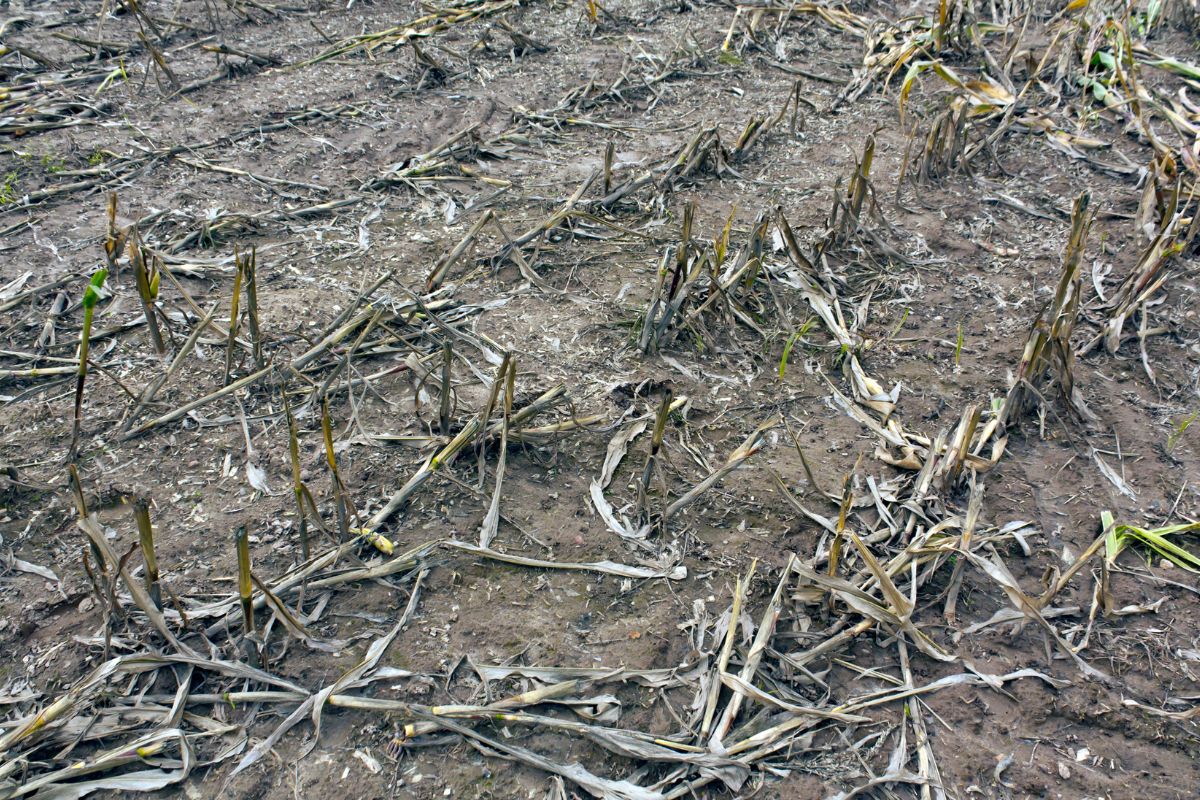
Healthy soil is the foundation of productive agriculture, yet continuous cultivation, declining organic matter, and climate change are reducing soil quality across many farming regions. Organic farmers are increasingly searching for natural methods that improve soil fertility while reducing dependence on external inputs. One solution attracting attention worldwide is biochar, a carbon-rich material produced by heating crop residues in a low-oxygen environment.
Unlike ordinary compost, biochar remains stable in the soil for decades. It improves soil structure, increases water-holding capacity, supports beneficial microorganisms, and helps retain nutrients that would otherwise be lost through leaching. Scientists are also studying its role in storing carbon and reducing greenhouse gas emissions from agriculture.
Researchers believe biochar could become an important component of climate-smart organic farming as countries look for sustainable ways to improve agricultural productivity.
Every year, millions of tonnes of agricultural residues are burned or discarded after harvest. Paddy straw, maize stalks, cotton stems, sugarcane trash, and pruning waste often create disposal challenges for farmers.
Biochar production converts these residues into a valuable soil amendment instead of treating them as waste. Farmers can process locally available biomass and return it to their fields, creating a circular farming system that improves resource use while reducing environmental pollution.
Agricultural scientists say better utilisation of crop residues can strengthen both soil health and farm sustainability.
Improves Water Retention
Water scarcity is becoming one of the biggest challenges facing agriculture. Soils with low organic matter often lose moisture quickly, making crops more vulnerable during dry spells.
Biochar contains thousands of microscopic pores that help retain water within the soil. This stored moisture remains available to plant roots for longer periods, reducing drought stress between irrigation or rainfall events.
Researchers have found that biochar can improve water-holding capacity, particularly in sandy and degraded soils where moisture loss is a persistent problem.
Healthy soils contain billions of microorganisms that help decompose organic matter, recycle nutrients, and support plant growth. Intensive farming and excessive chemical use can reduce microbial diversity over time.
Biochar creates a favourable habitat for beneficial bacteria and fungi by providing protected spaces where these organisms can grow and multiply. Strong microbial activity improves nutrient cycling and supports healthier root development.
Soil scientists increasingly recognise biological activity as one of the most important indicators of long-term soil fertility.
One of biochar’s unique characteristics is its ability to store carbon for extended periods. Unlike fresh plant material that decomposes relatively quickly, biochar remains stable in the soil for decades or even centuries.
This long-term carbon storage has attracted global interest because it helps remove carbon dioxide from the atmosphere while improving agricultural land. Climate researchers are studying biochar as a practical tool that contributes to both soil restoration and climate change mitigation.
The technology therefore offers environmental benefits beyond crop production alone.
Organic Farmers Are Exploring Wider Adoption
Organic farming systems rely heavily on biological inputs and natural soil management practices. Biochar fits well within these systems because it works alongside compost, farmyard manure, vermicompost, and green manures.
Several agricultural universities and research organisations in India are evaluating biochar under different cropping systems, including vegetables, fruits, cereals, and plantation crops. Early studies suggest that combining biochar with organic manures often produces better results than using either material alone.
Researchers believe wider adoption will depend on farmer awareness, local production methods, and access to simple biochar-making technologies.
Building Healthier Soils for the Future
As agriculture adapts to climate change, improving soil health is becoming one of the most important priorities for farmers and policymakers. Biochar offers a practical way to strengthen soil fertility while making productive use of agricultural residues that might otherwise be wasted.
For organic farmers, it provides an opportunity to improve water retention, support beneficial microbes, and reduce nutrient losses using locally available resources. For climate scientists, it represents one of the few agricultural practices capable of improving crop production while storing carbon in the soil.
Across farms around the world, a simple black material made from crop residues is helping reshape how farmers think about soil. Instead of treating residues as waste, biochar is turning them into a long-term investment in healthier land.
Also Read: Punarnava Jal – The world’s first organic fertilizer! Know how it is beneficial for farmers?
Contact us – If farmers want to share any valuable information or experiences related to farming, they can connect with us via phone or whatsapp at 9599273766 or you can write to us at “kisanofindia.mail@gmail.com”. Through Kisan of India, we will convey your message to the people, because we believe that if the farmers are advanced then the country is happy.
You can connect with Kisan of India on Facebook, Twitter, and Whatsapp and Subscribe to our YouTube channel.