


Can Biochar Help Farmers Improve Soil While Managing Crop Waste?

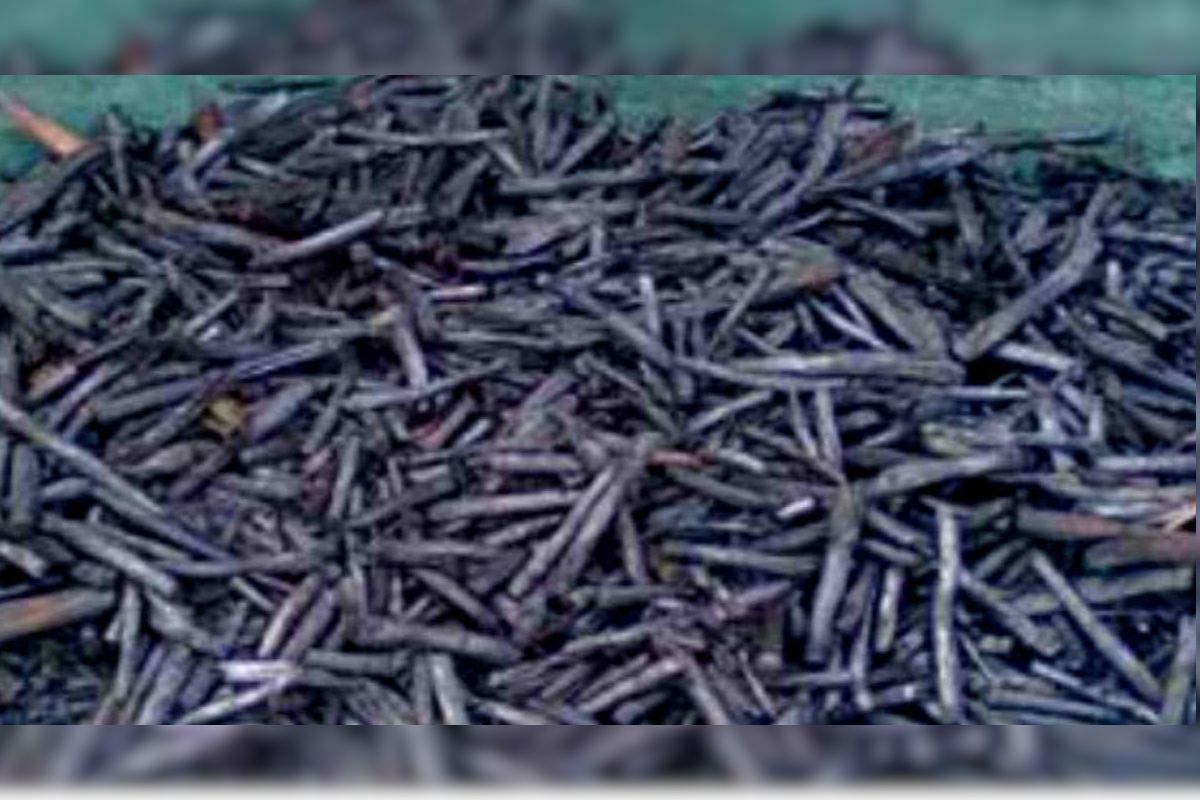
Farmers across India produce large amounts of crop residues every season. Some residues become fodder, mulch or compost. Others create disposal problems. Biochar is another option being studied and used in agriculture because it can convert suitable biomass into a carbon-rich material for soil application.
Biochar is produced by heating biomass under conditions with limited oxygen. Crop residues, wood and other organic materials can serve as feedstock. The process changes the material and creates a stable carbon-rich product with physical properties that differ from ordinary ash or compost.
Biochar is not the same as ash
Farmers should not confuse biochar with ash produced by open burning. Ash forms when biomass burns in the presence of abundant oxygen. Biochar comes from a controlled heating process known as pyrolysis, where oxygen remains limited.
This difference matters because the final materials behave differently in soil. Biochar can contain stable carbon and develop a porous structure. Its effects depend heavily on the feedstock, production temperature and soil where farmers apply it.
Biochar has attracted research interest because of its possible role in soil management and carbon storage. Its porous structure may influence water retention, nutrient movement and soil biological activity under suitable conditions.
The effects are not identical in every field.
A sandy soil may respond differently from a clay-rich soil.
The properties of biochar can also vary depending on whether it was produced from crop residues, wood or other biomass.
Agricultural residues are among the potential feedstocks for biochar production. Rice straw, maize residues and other biomass may be suitable depending on available technology and local conditions. This creates interest in areas where residue disposal creates problems. But farmers should not assume every crop residue should become biochar. Many residues already have important uses as livestock feed, mulch or compost. The best use depends on what provides the greatest value for the farming system.
Biochar may help some soils hold water
One reason farmers are interested in biochar is its potential effect on soil moisture. The porous material can influence how water moves and remains in soil. This could be useful in some water-stressed farming systems. But biochar is not a substitute for irrigation. A farmer should not expect a one-time application to protect crops from a prolonged drought.
Soil texture, rainfall and the amount of biochar applied can influence results.
Biochar does not replace every fertiliser requirement. Its main role can differ depending on the product and soil. Some biochar materials may influence nutrient retention, while others may have limited effects on crop nutrition. Farmers should therefore avoid treating biochar as a complete fertiliser.
Soil testing remains useful. The best results may depend on combining suitable organic materials and nutrients based on the actual needs of the crop and soil.
The way biochar is produced can affect its safety and usefulness. Uncontrolled production may create inconsistent material and unnecessary air pollution. Temperature and feedstock influence the physical and chemical properties of biochar. Farmers interested in producing biochar should therefore learn from recognised agricultural research organisations or trained technical experts. A poorly made product may not provide the same results as material tested under controlled conditions.
Open burning of crop residues causes nutrient losses and air pollution. It also creates health and environmental problems. Biochar production is sometimes discussed as an alternative pathway for suitable residues, but this requires appropriate equipment and controlled processing. Simply burning residues in a pit does not automatically produce useful biochar. The process must limit oxygen and control the conversion of biomass. Farmers should not adopt an unsafe production method without technical guidance.
Biochar can be tested on a small plot
A farmer considering biochar should begin with a small field trial rather than applying it across the entire farm. A comparison can help determine whether the material affects soil and crop performance under local conditions.
Farmers can observe:
- Soil moisture
- Crop growth
- Input costs
- Yield
- Soil condition
They should also keep untreated sections for comparison. A side-by-side trial provides better information than judging results from one field alone.
More biochar does not automatically mean better results. The suitable amount depends on the soil, crop and characteristics of the biochar. Excessive application can increase costs without improving production. Farmers should seek recommendations from agricultural universities, Krishi Vigyan Kendras or recognised soil specialists before applying large quantities.
They should also ask about the source of the material. The quality and feedstock used to make biochar can affect how it performs. Compost and biochar are sometimes discussed together because both can come from organic materials. But they are different products. Compost decomposes and releases nutrients as organic material breaks down. Biochar contains more stable carbon and can remain in soil for longer periods. A farmer may use both materials where suitable.
The choice should depend on soil needs and available farm resources rather than assuming one product can replace the other.
Biochar production requires biomass, equipment or processing systems and labour. Farmers need to calculate these costs before adopting the practice. A residue may already have value as fodder or compost material. Using it for biochar could create an opportunity cost. The practical question is whether producing biochar provides greater value than the existing use of that material. Farmers should compare costs before investing in a production system.
Biochar could become part of residue management
India’s agriculture sector is looking for alternatives to residue burning and waste disposal. Biochar may provide one possible pathway where suitable technology, biomass and soil conditions are available. It will not suit every farmer. Small farms may find collective production more practical than individual equipment purchases. Farmer groups, cooperatives or Custom Hiring Centres could potentially reduce equipment costs where locally viable.
Biochar may offer useful benefits in some farming systems, especially where farmers need better ways to manage suitable agricultural biomass. But soil health depends on several factors. Water management matters. Organic matter matters. Nutrient management matters. Crop rotation matters. A single input cannot solve every soil problem. Farmers should treat biochar as one possible tool within a broader soil management plan.
Also Read: Punarnava Jal – The world’s first organic fertilizer! Know how it is beneficial for farmers?
Contact us – If farmers want to share any valuable information or experiences related to farming, they can connect with us via phone or whatsapp at 9599273766 or you can write to us at “kisanofindia.mail@gmail.com”. Through Kisan of India, we will convey your message to the people, because we believe that if the farmers are advanced then the country is happy.
You can connect with Kisan of India on Facebook, Twitter, and Whatsapp and Subscribe to our YouTube channel.