


Fish Waste Biofertiliser Turns Market Waste Into Nutrients for Crops

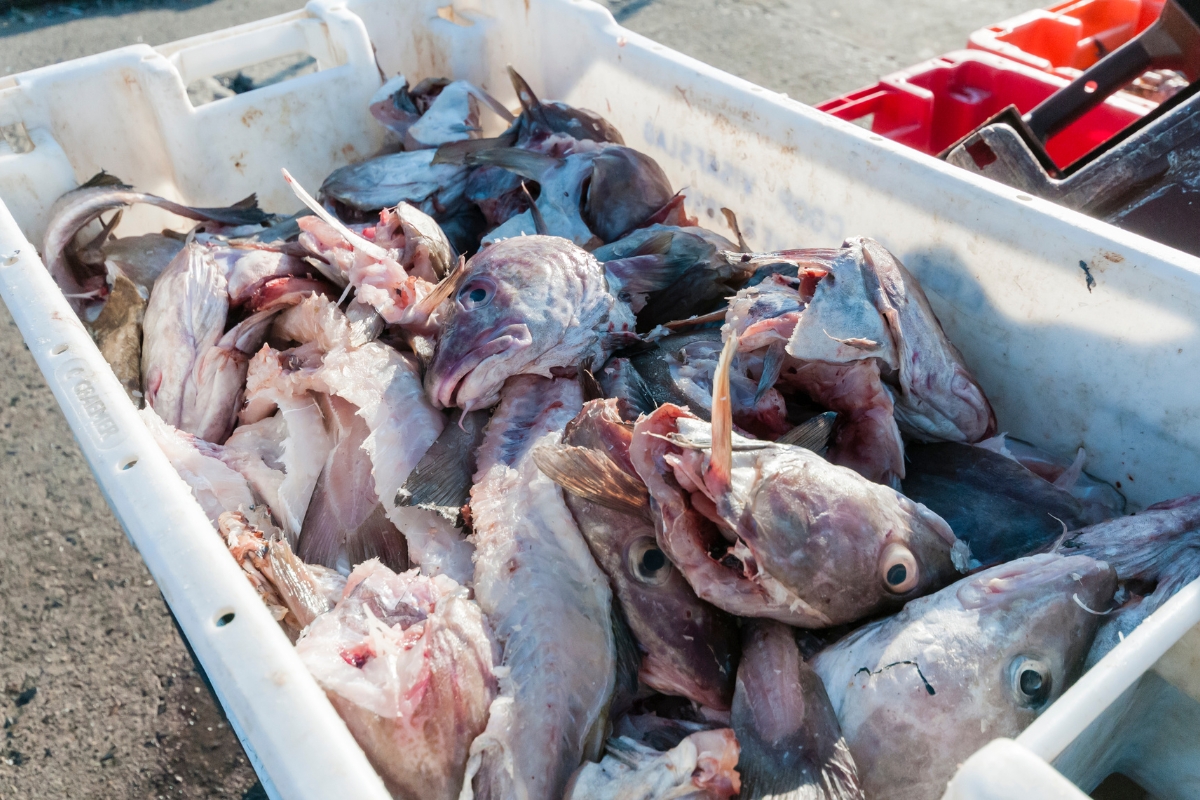
India’s fish markets generate millions of tonnes of waste every year, much of which is dumped or disposed of without proper treatment. At the same time, farmers continue to depend heavily on chemical fertilisers, raising concerns about soil degradation and rising cultivation costs. Scientists have now developed a solution that addresses both challenges by converting fish waste into biofertilisers for agriculture.
The ICAR-Central Institute of Brackishwater Aquaculture (ICAR-CIBA), Chennai, has developed two fish waste-based biofertilisers—CIBA-PlanktonPlus and CIBA-HortiPlus. Both products are made entirely from fish market waste and are designed to improve soil fertility, enhance crop growth and reduce environmental pollution caused by discarded fish waste. Researchers say the technology creates value from a resource that was previously treated as waste.
India produces nearly 195 lakh tonnes of fish every year, generating more than 60 lakh tonnes of fish waste. Instead of sending this waste to landfills, ICAR scientists process it into nutrient-rich biofertilisers using scientific methods that preserve valuable organic compounds.
According to ICAR-CIBA, the available fish waste could produce nearly 48 lakh tonnes of CIBA-PlanktonPlus and 3 lakh tonnes of CIBA-HortiPlus annually. This would not only reduce waste disposal problems but also create a sustainable source of agricultural inputs for farmers.
Improves Soil Health Naturally
Unlike chemical fertilisers that mainly supply nutrients, biofertilisers also improve biological activity in the soil.
Fish waste contains organic matter, amino acids and nutrients that support beneficial soil microorganisms. Regular application helps improve soil structure, enhances nutrient availability and encourages healthy root development. Scientists say these products can become an important part of integrated nutrient management, reducing excessive dependence on synthetic fertilisers over time.
The technology supports both agriculture and waste management.
Instead of creating foul odour and environmental pollution, discarded fish waste becomes a valuable agricultural product. Farmers benefit from an eco-friendly nutrient source, while municipalities and fish markets can reduce disposal costs. Researchers believe this circular economy approach can generate additional income for fish processors while promoting sustainable farming practices across India.
The technology has significant potential in Kerala, Tamil Nadu, Andhra Pradesh, Odisha, West Bengal, Gujarat and Maharashtra, where large fishing industries generate substantial quantities of fish waste.
Farmer Producer Organisations (FPOs), fisheries cooperatives and rural entrepreneurs could establish decentralised biofertiliser production units near fish landing centres. Such units would create local employment, reduce waste and supply organic fertilisers to nearby farming communities. Government support through fisheries and agriculture departments could further accelerate adoption.
A Circular Economy for Agriculture
The ICAR-CIBA innovation shows how one industry’s waste can become another industry’s resource. By transforming fish waste into biofertilisers, scientists have developed a technology that improves soil health, reduces pollution and supports sustainable farming.
As India works towards reducing chemical fertiliser dependence and strengthening organic agriculture, fish waste-based biofertilisers could become an important addition to the country’s sustainable nutrient management strategy.
Also Read: Punarnava Jal – The world’s first organic fertilizer! Know how it is beneficial for farmers?
Contact us – If farmers want to share any valuable information or experiences related to farming, they can connect with us via phone or whatsapp at 9599273766 or you can write to us at “kisanofindia.mail@gmail.com”. Through Kisan of India, we will convey your message to the people, because we believe that if the farmers are advanced then the country is happy.
You can connect with Kisan of India on Facebook, Twitter, and Whatsapp and Subscribe to our YouTube channel.