


Indigenous Microgreens Are Creating New Income Opportunities for Small Farmers

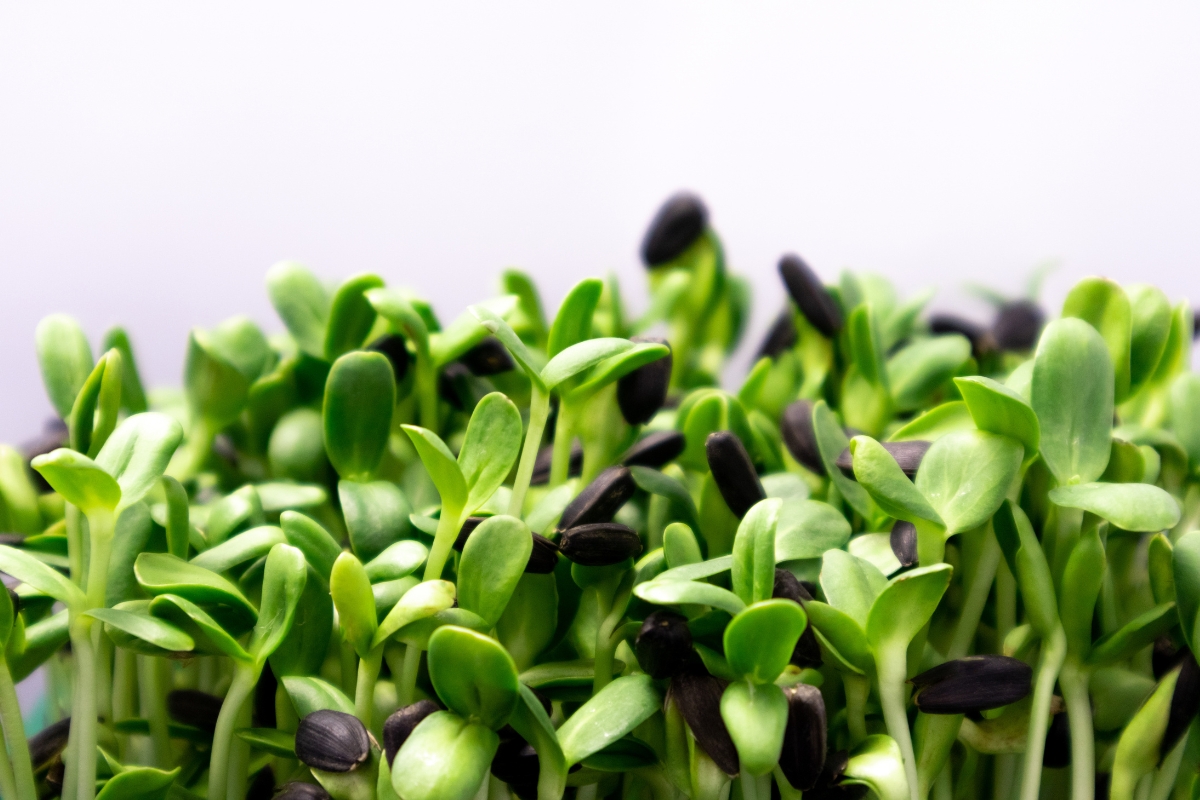
As agricultural land becomes more fragmented and production costs continue to rise, many small farmers are searching for crops that can generate higher returns from limited space. One enterprise attracting attention is microgreen cultivation. While most commercial operations focus on common varieties, a growing number of farmers are experimenting with indigenous vegetables and traditional crops as microgreens.
Microgreens are harvested at an early growth stage, usually within a few weeks of sowing. Despite their small size, they are increasingly popular among restaurants, supermarkets, health-conscious consumers, and specialty food businesses. Their short production cycle and high market value make them attractive for farmers looking to diversify income sources.
Researchers and agricultural entrepreneurs believe indigenous microgreens could become an important niche within organic farming because they combine traditional biodiversity with modern consumer demand.
One of the biggest challenges for small farmers is the long gap between investment and harvest. Many crops require several months before generating income, creating financial pressure throughout the growing season.
Microgreens offer a different model. Most varieties can be harvested within ten to twenty-five days depending on the crop and growing conditions. This rapid turnover allows farmers to generate multiple harvests throughout the year and maintain more consistent cash flow.
Agricultural economists often point out that faster production cycles can significantly improve business resilience, especially for farmers working with limited capital.
Indigenous Crops Create Market Differentiation
Many producers cultivate similar microgreen varieties, leading to increasing competition in some markets. Farmers using indigenous vegetables and traditional crop species are finding opportunities to stand out from competitors by offering unique products.
Restaurants and specialty food businesses are particularly interested in ingredients that provide distinctive flavours, colours, and cultural connections. Indigenous microgreens often meet these requirements while also supporting agricultural biodiversity.
Researchers studying food systems note that consumers are becoming increasingly interested in local food heritage. This trend is creating opportunities for products linked to traditional crops and regional agricultural knowledge.
Microgreen cultivation is well suited to organic farming systems because production occurs over a short period and often requires limited external inputs. Many farmers use compost-based growing media, biological pest management methods, and controlled production environments.
The combination of organic certification and specialty crops can increase market value significantly. Consumers purchasing microgreens frequently prioritise freshness, quality, and production practices, making organic cultivation an attractive option.
Several farmer groups are now integrating microgreens into broader organic farming operations as a way to improve profitability while maintaining environmentally responsible production methods.
Urban Markets Are Driving Demand
The growth of restaurants, premium grocery stores, and direct-to-consumer food businesses has expanded demand for specialty produce. Microgreens have become particularly popular because chefs use them in salads, garnishes, sandwiches, and premium food products.
Urban consumers are also purchasing microgreens for home consumption due to growing awareness of nutrition and fresh foods. This demand creates opportunities for farmers located near cities as well as producers capable of supplying distant markets through organised distribution systems.
Market analysts expect demand for specialty greens to continue growing as food preferences become more diverse.
Unlike many conventional crops, microgreens do not require large landholdings. Farmers can produce substantial quantities within relatively small spaces using protected cultivation structures, greenhouses, or controlled growing environments.
This characteristic makes the enterprise attractive for young farmers, women entrepreneurs, and producers operating in peri-urban areas where land availability is limited. Higher value per square metre often allows producers to remain profitable despite small production areas.
Researchers frequently cite microgreens as an example of how agricultural value is increasingly linked to market positioning rather than farm size alone.
Traditional Crops Meet Modern Markets
The rise of indigenous microgreens demonstrates how agriculture can combine old and new ideas successfully. Traditional crop varieties that once received little commercial attention are finding new relevance through modern food markets and changing consumer preferences.
For farmers, the enterprise offers an opportunity to diversify production, strengthen incomes, and preserve agricultural biodiversity. For consumers, it provides access to unique foods connected to local farming traditions.
As demand for specialty produce continues to expand, indigenous microgreens may become an increasingly important part of organic farming systems.
Across farms and urban markets, tiny plants are proving that small crops can create big opportunities.
Also Read: Punarnava Jal – The world’s first organic fertilizer! Know how it is beneficial for farmers?
Contact us – If farmers want to share any valuable information or experiences related to farming, they can connect with us via phone or whatsapp at 9599273766 or you can write to us at “kisanofindia.mail@gmail.com”. Through Kisan of India, we will convey your message to the people, because we believe that if the farmers are advanced then the country is happy.
You can connect with Kisan of India on Facebook, Twitter, and Whatsapp and Subscribe to our YouTube channel.