


Koraput’s Traditional Mixed Cropping System Is Helping Farmers Reduce Risk

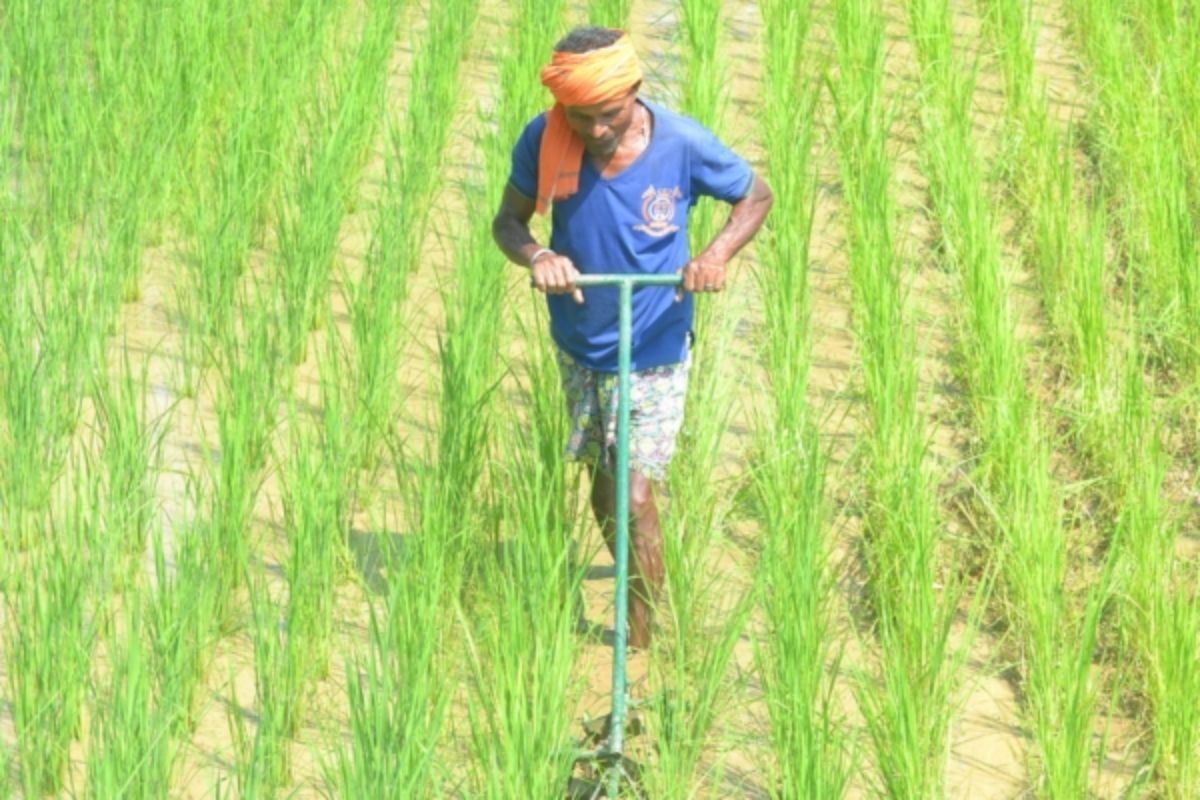
In the hills of Odisha’s Koraput district, many farmers still follow an agricultural practice that modern farming largely abandoned decades ago.
Instead of cultivating a single crop across an entire field, they grow multiple crops together. Millets, pulses, oilseeds, vegetables, and legumes often share the same piece of land, creating a diverse farming system that has sustained tribal communities for generations.
At first glance, the fields appear less organised than commercial farms growing only one crop. Yet agricultural scientists and policymakers are increasingly paying attention to these traditional systems because they offer lessons in resilience, food security, and sustainable land use.
As climate uncertainty grows and farming risks increase, Koraput’s mixed cropping tradition is attracting renewed interest.
One Field Produces Several Crops
Unlike monocropping systems where farmers depend on a single harvest, mixed cropping spreads risk across multiple crops.
A typical field in Koraput may contain finger millet, pigeon pea, niger seed, maize, cowpea, and local vegetables growing together.
Each crop serves a different purpose. Millets provide staple food. Pulses supply protein. Oilseeds generate income. Vegetables contribute nutrition. If one crop performs poorly because of weather or pest attacks, others often survive. For farming families, this diversity acts as a form of insurance.
The system developed over centuries in response to the challenges of hill agriculture, where weather conditions can be unpredictable and irrigation facilities remain limited.
Tribal Communities Preserved the Practice
Koraput is home to several tribal communities whose farming traditions have shaped the region’s agricultural landscape. For generations, farmers saved seeds, exchanged planting material, and selected crops suited to local soils and climatic conditions. The result was an agricultural system built around diversity rather than uniformity.
While many regions shifted toward high-input monocultures, large parts of Koraput retained traditional cropping patterns. Farmers often continue using indigenous seed varieties adapted to local conditions. These practices have helped preserve a rich pool of agricultural biodiversity.
The region is now recognised nationally for its wealth of traditional crop varieties, particularly millets and indigenous rice.
One reason experts are revisiting mixed cropping is climate change. Erratic rainfall, prolonged dry spells, and extreme weather events have increased production risks across India. Fields dependent on a single crop can suffer major losses when weather conditions turn unfavourable.
Mixed cropping reduces that vulnerability. Different crops respond differently to environmental stress. Some tolerate drought better. Others recover quickly after rainfall. Together, they create a more stable production system.
Farmers in Koraput say that even during difficult seasons, mixed fields usually provide at least some harvest.
That reliability remains one of the system’s greatest strengths.
Traditional mixed cropping systems also require fewer purchased inputs than many commercial farming models. Crop diversity naturally suppresses some pests and improves resource use efficiency. Deep-rooted and shallow-rooted plants utilise soil nutrients differently, reducing competition and making better use of available resources.
Many farmers rely heavily on farmyard manure and locally available organic materials.
Input costs remain relatively low compared with highly specialised farming systems.
For smallholders with limited financial resources, this can make agriculture more sustainable economically as well as environmentally.
Markets Are Beginning to Recognise Traditional Crops
For years, one challenge facing mixed-cropping farmers was market access.
Many traditional crops received little attention from traders and policymakers.
That situation is changing. Millets are gaining popularity among consumers interested in nutrition and climate-resilient agriculture. Indigenous pulses and oilseeds are also finding niche markets.
Farmer producer organisations in parts of Odisha are helping growers connect with buyers interested in traditional grains and specialty agricultural products.
As demand grows, crops that were once valued mainly for household consumption are becoming commercial opportunities.
Modern agriculture often measures success through yield per acre of a single crop.
Mixed cropping follows a different logic.
The objective is not maximum production of one commodity but stable production of multiple foods over time.
When viewed through that lens, the system remains remarkably effective.
It produces food, spreads risk, conserves biodiversity, and supports household nutrition simultaneously.
These qualities are increasingly relevant as farmers face rising uncertainty.
Lessons From the Hills
The farming systems of Koraput evolved long before concepts such as climate-smart agriculture entered policy discussions.
Yet many of the principles now promoted by agricultural experts already exist in these traditional fields.
Diversity.
Resilience.
Efficient resource use.
Risk management.
Farmers in Koraput did not develop mixed cropping to address climate change.
They developed it to survive in a challenging landscape.
Today, those same practices are offering valuable lessons for the future of Indian agriculture.
Also Read: Punarnava Jal – The world’s first organic fertilizer! Know how it is beneficial for farmers?
Contact us – If farmers want to share any valuable information or experiences related to farming, they can connect with us via phone or whatsapp at 9599273766 or you can write to us at “kisanofindia.mail@gmail.com”. Through Kisan of India, we will convey your message to the people, because we believe that if the farmers are advanced then the country is happy.
You can connect with Kisan of India on Facebook, Twitter, and Whatsapp and Subscribe to our YouTube channel.