


Nagaland’s Zabo Farming System Shows How Indigenous Communities Conserved Water for Centuries

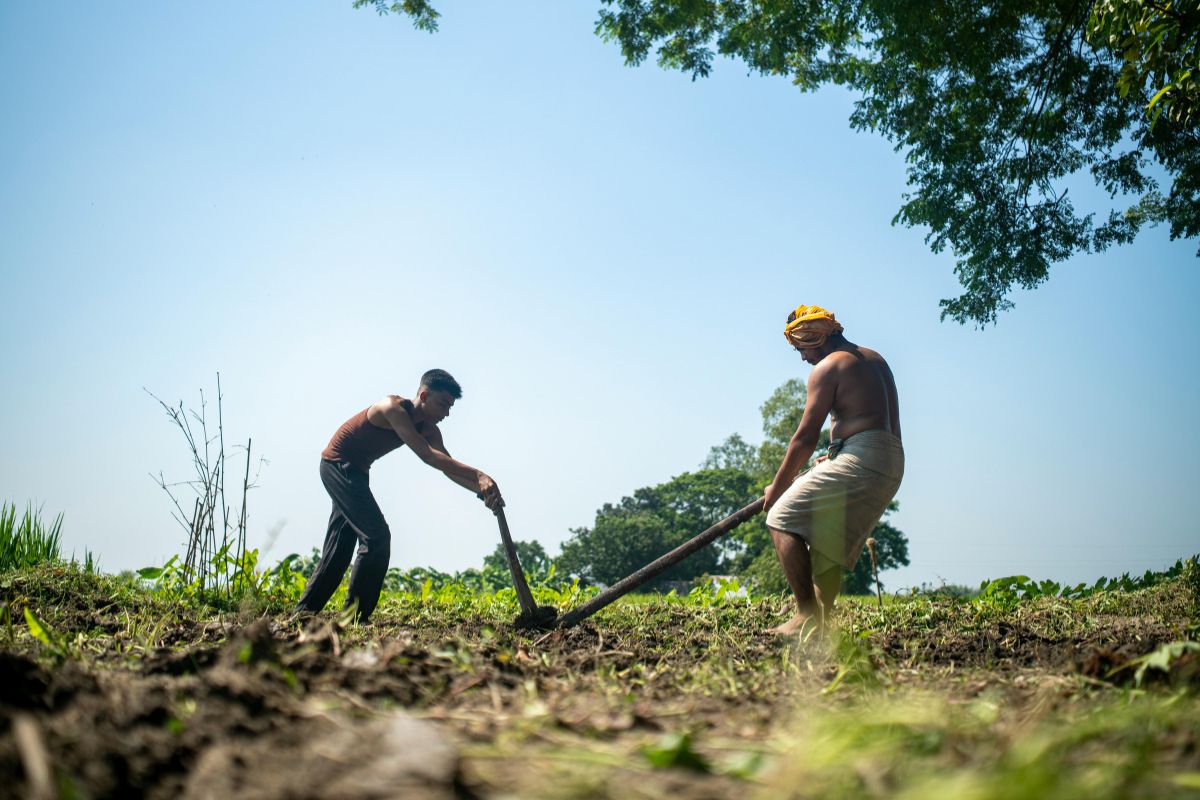
In the drought-prone hills of Nagaland’s Phek district, farmers developed a solution to water scarcity long before the arrival of modern irrigation projects. Known as the Zabo farming system, this indigenous practice has helped communities harvest rainwater, raise livestock, cultivate crops, and conserve forests for generations.
The word “Zabo” roughly translates to “impounding water.” The name reflects the central idea behind the system. Every drop of rain that falls on the hills is treated as a valuable resource.
Today, as many parts of India struggle with groundwater depletion, erratic rainfall, and climate-related water stress, agricultural scientists and policymakers are once again looking at traditional systems like Zabo for inspiration.
The system offers a rare example of how farming communities created sustainable agriculture using local knowledge and natural resources without relying on large infrastructure projects.
What makes Zabo unique is that it does not treat farming, forestry, livestock, and water management as separate activities.
Everything is connected.
At the top of the hill, communities protect forest areas that capture rainfall and prevent soil erosion. Below these forests, rainwater flows into carefully designed storage ponds constructed by villagers.
Further downhill are livestock enclosures. Water moving through these areas carries organic nutrients that eventually reach agricultural fields below.
At the lowest level lie paddy fields where crops benefit from both stored water and naturally enriched soil.
The result is a farming system where every part of the landscape supports another.
Few modern agricultural systems achieve this level of integration.
Water Harvesting Is the Foundation
The success of Zabo begins with water conservation.
Phek district receives substantial rainfall during the monsoon, but steep slopes can cause water to run off quickly if it is not captured. Generations ago, villagers developed a network of ponds, channels, and storage structures that slowed water movement and stored it for later use.
This allowed farmers to irrigate crops even during dry periods. Unlike borewell-based agriculture, the system depends entirely on rainwater harvesting. In many villages, community rules govern the maintenance and use of water structures, ensuring that resources remain available for everyone.
This collective management remains one of the reasons the system has survived for centuries.
Animals are not kept separately from farming activities. Instead, livestock contribute directly to soil fertility.
As water flows through livestock areas, it carries organic nutrients into agricultural fields below. This reduces dependence on external fertilizers and helps maintain soil productivity naturally.
Farmers traditionally raise cattle, pigs, poultry, and other livestock alongside crop cultivation. The arrangement creates a circular system where waste from one activity becomes a resource for another.
Long before the concept of a circular economy became popular, communities practising Zabo had already incorporated similar principles into daily farming operations.
Because Zabo evolved before the widespread use of chemical fertilizers and pesticides, the system relies heavily on natural ecological processes.
Protected forests reduce erosion. Organic matter improves soil fertility. Stored water supports crops during dry periods. Livestock contribute nutrients.
The combined effect helps farmers maintain production while minimising external inputs.
Many agricultural experts see similarities between Zabo and modern discussions about regenerative agriculture, which focuses on restoring ecosystems while maintaining productivity.
The difference is that Zabo farmers have been practising these methods for generations.
Climate Change Is Renewing Interest in Traditional Knowledge
Across India, farmers are facing more frequent weather extremes, irregular rainfall, and water shortages.
These challenges have increased interest in traditional farming systems that evolved under difficult environmental conditions.
The Zabo model offers several features considered valuable for climate adaptation.
Rainwater harvesting improves water security. Forest conservation protects watersheds. Integrated farming reduces risk by diversifying income sources. Healthy soils improve resilience during dry periods.
As climate pressures increase, these characteristics are attracting renewed attention from researchers and policymakers.
Many agricultural innovations appear promising for a few years before fading away. The Zabo farming system has survived for centuries. Its longevity reflects a simple reality: it works. Communities maintained it because it helped them produce food, manage water, and sustain livelihoods in a challenging landscape.
Today, the hills of Phek continue to demonstrate that some of the most valuable agricultural solutions are not always found in laboratories or research stations.
Sometimes they are preserved in villages where generations of farmers learned how to work with nature rather than against it.
As India searches for sustainable farming models in an era of climate uncertainty, Nagaland’s Zabo system remains a powerful reminder that traditional knowledge still has lessons to offer modern agriculture.
Also Read: Punarnava Jal – The world’s first organic fertilizer! Know how it is beneficial for farmers?
Contact us – If farmers want to share any valuable information or experiences related to farming, they can connect with us via phone or whatsapp at 9599273766 or you can write to us at “kisanofindia.mail@gmail.com”. Through Kisan of India, we will convey your message to the people, because we believe that if the farmers are advanced then the country is happy.
You can connect with Kisan of India on Facebook, Twitter, and Whatsapp and Subscribe to our YouTube channel.