


Odisha’s Tribal Millet Forest Farming Is Returning in Rainfed Villages

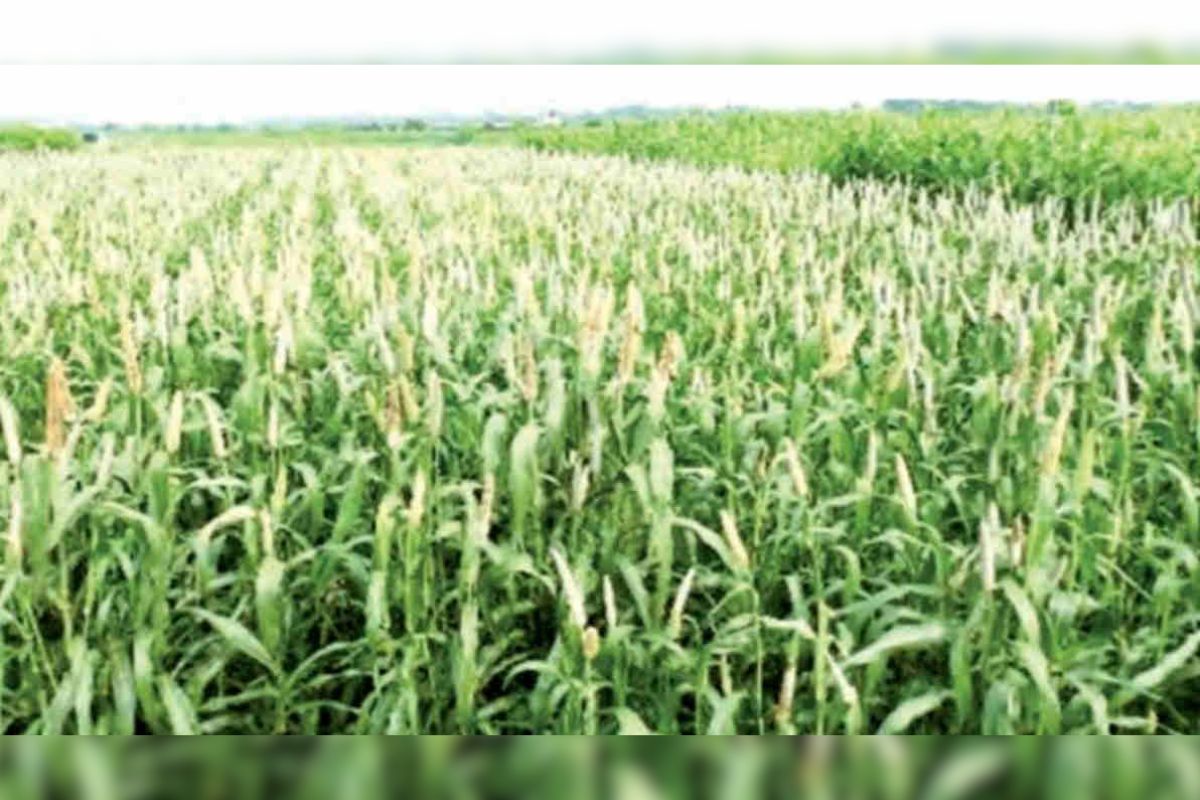
In the tribal regions of Odisha’s Koraput, Kandhamal, Rayagada, and Nabarangpur districts, farming was traditionally built around diversity rather than monoculture.
Families cultivated multiple crops together across hill slopes and forest edges:
millets, pulses, oilseeds, tubers, vegetables, and forest foods all formed part of one connected agricultural system. Farmers rarely depended on a single crop because rainfall remained uncertain and irrigation infrastructure was limited.
For decades, these farming systems were dismissed as backward compared to commercial agriculture.
Now they are returning to discussion again.
Climate instability, groundwater stress, and rising cultivation costs are forcing researchers and policymakers to revisit indigenous rainfed farming systems that survived for centuries in difficult landscapes.
Before rice became dominant through public distribution systems and changing food habits, millets formed the backbone of food security in many tribal regions.
Farmers cultivated:
ragi, kodo millet, little millet, foxtail millet, and sorghum using low-input farming methods adapted to hilly terrain and poor soils.
Agriculture experts say millets survived because they required:
less water,
fewer chemical inputs,
and stronger drought tolerance compared to paddy cultivation.
Researchers studying Indigenous agriculture say these crops also supported nutritional diversity because tribal food systems included multiple grains instead of depending heavily on polished rice alone.
Forests and Farming Worked Together
Traditional farming in Odisha’s tribal belt was deeply connected with nearby forests.
Families collected:
wild fruits,
leafy vegetables,
medicinal plants,
firewood,
and seasonal forest produce alongside crop cultivation.
Researchers say this relationship created mixed livelihood systems capable of surviving climatic uncertainty more effectively than highly specialized monoculture farming.
Some shifting cultivation systems also allowed land regeneration periods that helped restore soil fertility naturally.
Agriculture experts argue that these systems were often misunderstood because modern agricultural policy focused mainly on maximizing cereal production rather than ecological balance.
Odisha’s rainfed agricultural regions are increasingly facing climate pressure.
Farmers report:
irregular rainfall,
long dry spells,
intense downpours,
soil erosion,
and declining soil moisture.
Researchers say hill farming regions become especially vulnerable because heavy rainfall quickly washes nutrients away from exposed slopes.
Traditional millet systems are returning partly because farmers see them as safer under uncertain weather conditions.
Agriculture experts believe drought-resilient grains may become increasingly important as climate instability affects irrigation-dependent farming systems across India.
In several tribal communities, women played a major role in preserving indigenous seeds after cultivation areas began shrinking.
Researchers studying seed conservation say women often maintained local millet varieties inside household storage systems even while market agriculture shifted heavily toward rice cultivation.
Now community seed banks and women’s collectives are helping revive forgotten millet varieties once nearly lost from cultivation.
Agriculture experts say seed diversity may become one of the most important climate adaptation tools for future agriculture.
Government Millet Missions Increased Attention
Odisha’s millet revival received stronger visibility after state-level millet promotion programmes expanded during recent years.
Researchers say these initiatives helped reconnect urban consumers with traditional grains while improving procurement and awareness in tribal farming regions.
Schools, nutrition programmes, and local food campaigns also increased millet demand gradually.
Agriculture experts believe public policy matters heavily because traditional crops often disappear when markets and procurement systems support only a few dominant cereals.
For years, many younger villagers viewed traditional farming as economically weak compared to migration and wage labour opportunities.
That perception is slowly changing in some areas.
Researchers say rising interest in:
organic foods,
traditional diets,
climate-resilient crops,
and local seed systems
is giving indigenous farming new visibility.
Some young farmers are now combining traditional millet cultivation with:
community processing,
local branding,
organic markets,
and direct food businesses.
Odisha’s Tribal Farming Systems Hold Climate Lessons
Researchers increasingly study Odisha’s Indigenous farming systems not only as cultural practices but as ecological adaptation models.
The farms were designed around uncertainty long before climate change entered modern scientific discussion. Crop diversity, forest integration, local seed systems, and low external input farming helped communities survive in fragile landscapes for generations.
Agriculture experts say future farming may require more systems built around resilience instead of maximum short-term production alone.
In Odisha’s hills, those older agricultural ideas are slowly returning to the fields once again.
Also Read: Punarnava Jal – The world’s first organic fertilizer! Know how it is beneficial for farmers?
Contact us – If farmers want to share any valuable information or experiences related to farming, they can connect with us via phone or whatsapp at 9599273766 or you can write to us at “kisanofindia.mail@gmail.com”. Through Kisan of India, we will convey your message to the people, because we believe that if the farmers are advanced then the country is happy.
You can connect with Kisan of India on Facebook, Twitter, and Whatsapp and Subscribe to our YouTube channel.