


ICAR’s Smartphone App Can Measure Fish Without Handling Them: What Fish Farmers Should Know

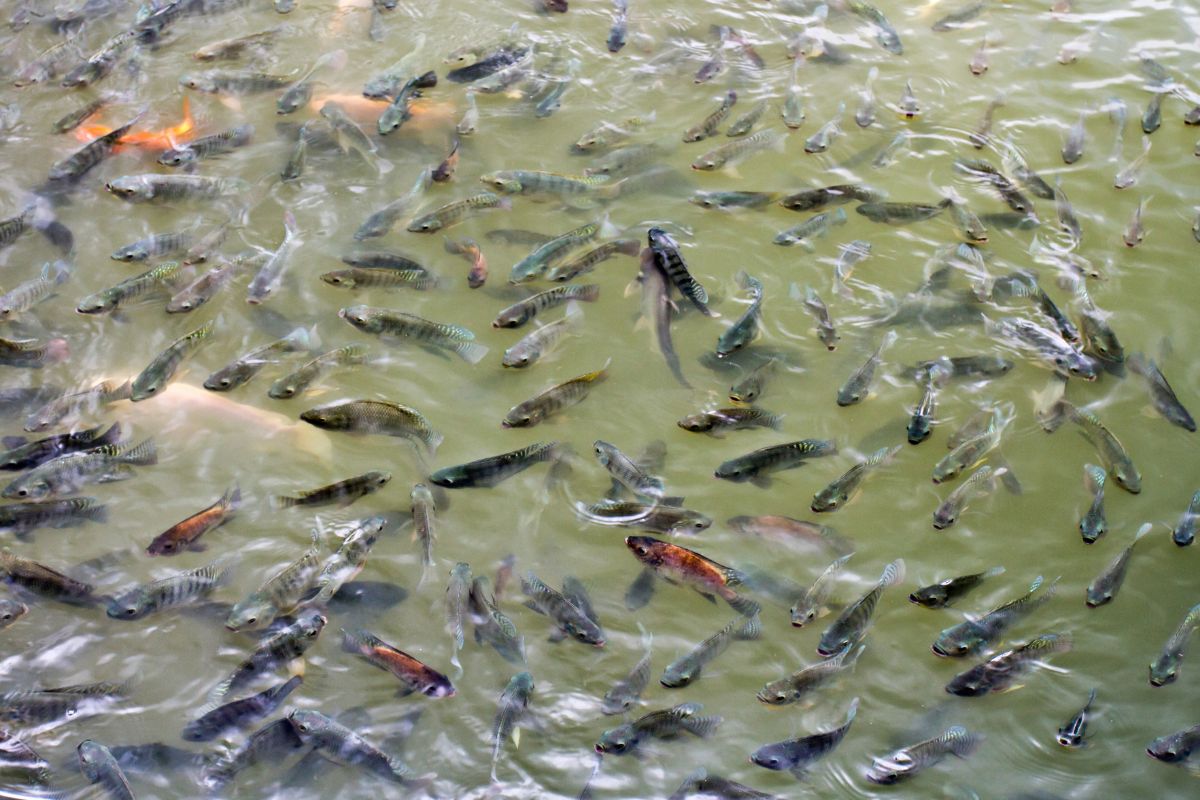
The Indian Council of Agricultural Research has highlighted a smartphone application developed by the ICAR-Central Marine Fisheries Research Institute (CMFRI) that can measure fish length and width without physically handling the fish. The tool could offer a simpler way to collect fish measurements for research and fisheries monitoring.
Fish measurements help researchers study growth, compare species and assess changes in fish populations. In aquaculture, regular measurements can also help farmers understand whether fish are growing as expected. Traditional measurement often involves catching fish and handling them individually, which takes time and can cause stress.
A smartphone-based method could make data collection easier in suitable settings. Its usefulness for individual fish farmers will depend on how accurately it measures different species, the equipment needed, its availability and whether it has been tested in commercial ponds.
Why Fish Size Matters in Aquaculture
Fish farmers need to monitor growth to decide when to adjust feeding, assess stock development and estimate whether fish are approaching market size. In ponds containing many fish, catching and measuring individuals can require additional labour and equipment.
Length and width provide useful information, but they do not tell farmers everything about fish growth. Weight, stocking density, water quality, feed consumption and fish health also affect production. Farmers should use measurements alongside other records rather than relying on one indicator to judge pond performance.
For example, fish that are not growing as expected may be affected by poor water quality, inadequate feed, overcrowding or disease. Measuring fish can help identify a growth concern, but farmers still need to investigate its cause before changing feeding or stocking practices.
How Could Digital Measurement Help?
1. Reduce Routine Handling
If the app can measure fish reliably from suitable images, it may reduce the need to handle every fish during some monitoring tasks. Less handling could be useful where repeated sampling is required, although the actual benefit depends on the method used and the conditions in which images are captured.
2. Support Growth Records
Farmers who maintain records can compare measurements taken at different stages of production. These records may help them identify slow growth and discuss feeding or management changes with fisheries officers. Consistent measurement methods are important because differences in camera angle, distance or fish position can affect results.
3. Help Researchers Collect Data
Researchers studying fish populations often need measurements from many specimens. A digital tool could help standardise data collection if it performs accurately across different fish species and sizes. Field validation remains necessary before measurements can be treated as a reliable substitute for conventional methods.
What Farmers Should Check Before Using Such an App
The announcement highlighted the app’s ability to measure fish length and width without physical handling. It did not establish that the tool is commercially available to all farmers, works with every fish species or replaces weighing scales and established sampling methods. Farmers should check the latest official guidance before adopting it.
They should also find out whether the application requires a particular phone camera, a reference scale, controlled lighting or a specific background. Such requirements can affect measurement accuracy, especially when fish move or photographs are taken in ponds with glare and poor visibility.
Farmers should not make major changes to feed quantities, stocking density or harvest timing based only on unverified digital measurements. Where possible, they can compare app results with conventional measurements and ask fisheries extension staff whether the tool suits their species and production system.
Digital Tools Need Practical Field Testing
Smartphone applications may make some fisheries tasks easier, but a research tool becomes useful to farmers only when it is accurate, accessible and supported by clear instructions. Testing across different species, sizes and farming conditions can help establish where the technology works well and where conventional measurement remains necessary.
For fish farmers, the practical lesson is to keep regular growth and feed records while following locally recommended pond-management practices. The ICAR-CMFRI app is a promising development in digital fisheries research, but farmers should confirm its availability and suitability before depending on it for commercial decisions.
Also Read: Punarnava Jal – The world’s first organic fertilizer! Know how it is beneficial for farmers?
Contact us – If farmers want to share any valuable information or experiences related to farming, they can connect with us via phone or whatsapp at 9599273766 or you can write to us at “kisanofindia.mail@gmail.com”. Through Kisan of India, we will convey your message to the people, because we believe that if the farmers are advanced then the country is happy.
You can connect with Kisan of India on Facebook, Twitter, and Whatsapp and Subscribe to our YouTube channel.