



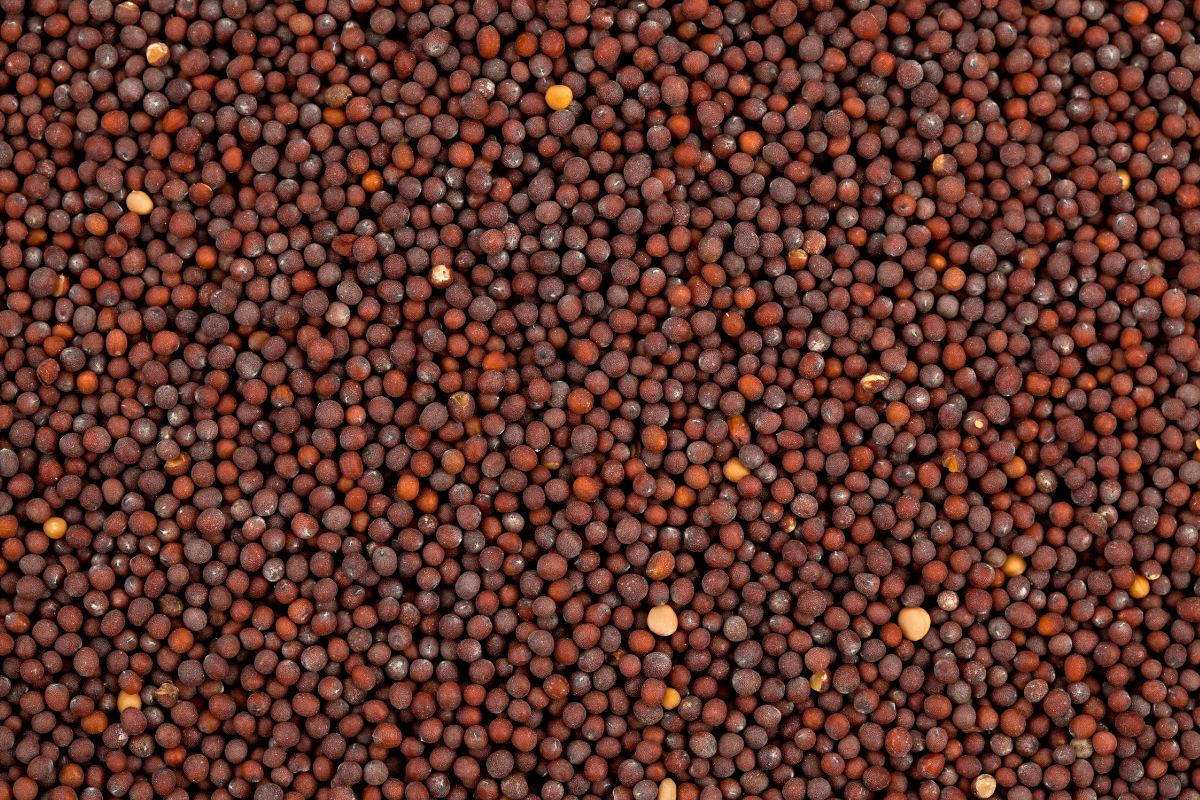
Mustard farmers usually sell their crop as raw seed after harvest. The seed then moves through traders, processors and other businesses before reaching consumers as mustard oil. An ICAR example from Haryana shows how farmers can enter another part of this business chain by processing mustard closer to the farm. A community oil expeller run through a Farmer Producer Company is helping farmers convert mustard seed into oil and mustard cake locally.
The model involves Hodal Farmers’ Producer Company Ltd, which works in the National Capital Region. ICAR reported that the community oil expeller allows farmers to process their own mustard instead of selling the entire harvest as raw seed. The business also creates two products from the same crop: edible mustard oil and mustard cake, which can be sold for livestock feed.
What happens when farmers process mustard themselves?
Value addition means changing a raw agricultural product into another product that can have a different market value.
In this case, mustard seed goes into an oil expeller. The machine extracts mustard oil and leaves behind mustard cake. Farmers can sell both products instead of earning only from raw seed. This creates an opportunity to earn from processing, packaging and marketing, provided the full business costs remain under control.
According to ICAR’s figures, 1,900 kg of mustard seed per hectare can produce about 785 litres of oil, with an oil recovery rate of 37–38 percent. The same quantity can also produce around 1,178 kg of mustard cake. ICAR said the oil was valued at ₹195 per litre in its business calculation, while mustard cake was valued at ₹3 per kg.
ICAR estimated gross revenue of about ₹1.56 lakh per hectare from the processed mustard products. The total cost was estimated at ₹50,178, leaving a net return of about ₹1.06 lakh per hectare and a benefit-cost ratio of 3.12.
ICAR compared this with selling raw mustard seed, where the estimated net return was ₹58,500. In this example, processing mustard locally produced a much higher return. The figures apply to the conditions and assumptions used in this particular model, so farmers should not expect the same returns everywhere.
The important lesson is that the price of raw produce is only one part of the agricultural business.
Farmers can examine whether they can earn more by moving into processing.
But they also take on more responsibilities.
An oil expeller is not enough to build a business
Buying a machine does not automatically create profit. A farmer group needs a regular supply of mustard seed and buyers for the oil and cake. The group must also manage electricity, labour, maintenance, packaging, storage and transport.
Food processing also requires attention to quality and hygiene. Mustard oil meant for consumers must meet applicable food safety and labelling requirements. Farmers should understand these requirements before launching a commercial processing business.
The group also needs to decide whether it will sell bulk oil or create a packaged brand. Each option has different costs. One advantage of oilseed processing is that the by-product can also have value. The mustard cake left after oil extraction can be used as livestock feed, depending on appropriate use and local market demand. In the Hodal model, ICAR included the sale of mustard cake in the total business calculation.
Farmers should not ignore by-products when assessing an agricultural business. A processing unit may produce waste, a by-product or another usable material. The financial success of the business can depend partly on whether the group finds a market for these outputs. Before investing, farmers should ask who will buy each product.
Processing equipment can be expensive for one small farmer. A Farmer Producer Company, cooperative or farmer group can spread the investment and operate the machine as a shared business. This can also help the group collect enough raw material to keep the processing unit active.
The wider FPO model is already being used for activities ranging from input supply and produce trading to value addition, processing and digital commerce. The government said in August 2026 that 10,000 FPOs had been formed under its central scheme, with 5,765 having their own processing units.
For farmers, this means a processing business does not always have to begin with individual ownership. A group can jointly manage equipment and share business responsibilities.
Local processing can keep more value near farms
The Hodal example shows how farmers can participate in more stages of the agricultural business. Instead of ending their role after producing mustard, they can explore processing and marketing. This may create local jobs and new income sources while giving farmers greater control over how their crop reaches consumers.
The model will not suit every farming community. A processing unit needs sufficient raw material, management skills, capital and a reliable market. But the question is worth asking. If farmers already grow a crop in large quantities, can part of that crop be processed locally instead of leaving the entire value-added business to companies outside the farming community?
For mustard growers, a community oil expeller offers one possible answer. It shows how the same crop can create more than one product and potentially more than one source of income.
Also Read: Punarnava Jal – The world’s first organic fertilizer! Know how it is beneficial for farmers?
Contact us – If farmers want to share any valuable information or experiences related to farming, they can connect with us via phone or whatsapp at 9599273766 or you can write to us at “kisanofindia.mail@gmail.com”. Through Kisan of India, we will convey your message to the people, because we believe that if the farmers are advanced then the country is happy.
You can connect with Kisan of India on Facebook, Twitter, and Whatsapp and Subscribe to our YouTube channel.