



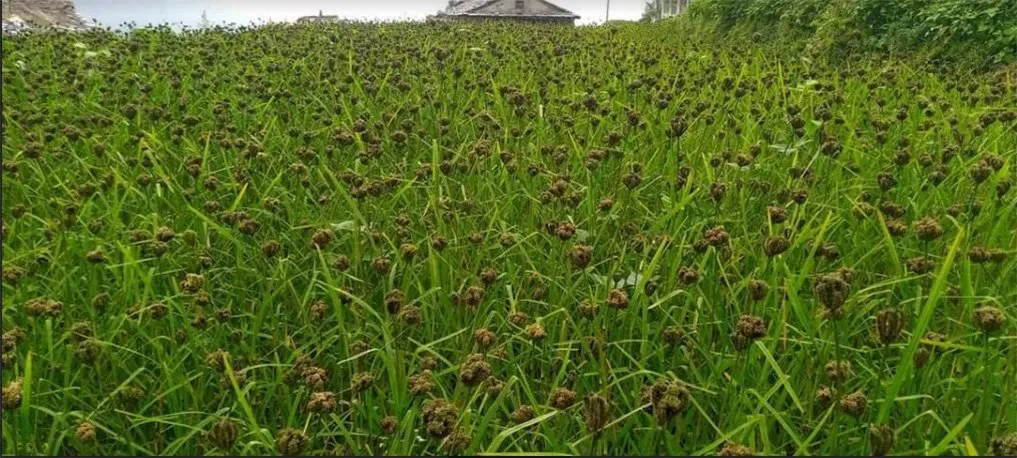
For decades, most Indian farmers sold crops as raw produce through mandis and wholesale traders. The biggest share of profits usually remained with processors, packaging companies, and retailers operating farther down the supply chain.
That model is slowly changing.
Across several states, Farmer Producer Organizations and rural entrepreneurs are now launching their own millet brands targeting urban supermarkets, health-food stores, and online consumers. Instead of selling only raw grain, farmers are increasingly entering food processing, packaging, branding, and direct retail markets themselves.
Agriculture experts say this marks a major shift because small farmers are moving beyond cultivation into agri-business and value-added food systems.
The millet revival happening across India is no longer limited to farming alone. Urban demand for healthier grains, climate-resilient foods, and traditional diets is creating entirely new business opportunities linked with millet products.
Supermarkets now sell:
- Millet noodles
- Breakfast cereals
- Cookies
- Energy bars
- Flour mixes
- Snacks
- Ready-to-cook foods
Many of these products come from startups and farmer collectives working directly with rural producers.
Agriculture market experts say the International Year of Millets in 2023 accelerated consumer awareness sharply. Since then, millet-based food brands expanded rapidly across cities such as Bengaluru, Delhi, Mumbai, Hyderabad, and Chennai.
Farmer Producer Organizations Are Launching Their Own Labels
One of the biggest changes is that farmers themselves are now creating retail brands instead of depending entirely on outside companies. Farmer Producer Organizations in Karnataka, Odisha, Maharashtra, Rajasthan, and Telangana are processing and packaging millet products under local brand names.
Some organizations sell directly through:
- Organic food stores
- Weekend farmers markets
- E-commerce platforms
- Supermarket chains
- Social media businesses
Agriculture experts say value addition allows farmers to capture a much larger share of consumer spending compared to raw grain sales.
Instead of earning only from cultivation, farmers now earn from branding, processing, packaging, and direct marketing as well.
Women’s self-help groups play a major role in several millet enterprises. Rural women manage food processing units producing millet laddoos, cookies, snacks, flour, and ready-to-cook products for local and urban markets.
Agriculture experts say millet processing works well for village-level businesses because many products require small-scale food manufacturing systems rather than large industrial plants.
Some women-led enterprises are now supplying schools, nutrition programmes, and health-food stores.
Researchers believe millet businesses may become important for rural employment because value-added agriculture creates jobs beyond cultivation itself.
Climate pressure is also helping millet markets grow. Agriculture experts increasingly describe millets as climate-resilient crops because they require less water and survive dry conditions better than rice or wheat in many regions.
This climate narrative became important in urban food marketing. Consumers increasingly associate millets with sustainability, local farming, and environmentally safer agriculture.
Researchers say future food systems may depend more heavily on climate-resilient grains as groundwater depletion and heatwaves intensify across South Asia.
Branding and Packaging Matter More Than Ever
Farmers entering food business quickly learn that branding matters as much as production quality. Attractive packaging, social media promotion, nutrition claims, and storytelling now shape millet sales heavily in urban markets.
Agriculture business experts say consumers buying premium food products want traceability and regional identity. Brands linked with tribal farming, traditional agriculture, women’s cooperatives, or organic cultivation often attract stronger urban interest.
Several farmer groups now invest in:
- Food designers
- Packaging systems
- Online marketing
- Nutrition certification
- Digital sales platforms
to compete in modern retail markets.
Despite rapid growth, farmer-led food brands still face major challenges. Processing machinery, food certification, logistics, and retail distribution require significant investment. Small rural producers often struggle competing with larger packaged food companies.
Agriculture experts say shelf life management and consistent product quality remain critical for long-term success in urban retail markets.
Some farmer groups also face difficulty accessing supermarket supply chains dominated by large distributors.
Still, researchers believe direct-to-consumer food businesses will continue growing because digital platforms lowered barriers for rural brands entering city markets.
The rise of farmer-led millet brands reflects a larger shift happening inside Indian agriculture. Farmers are no longer remaining only crop producers. Increasingly, they are becoming processors, entrepreneurs, food marketers, and retail businesses.
Agriculture experts believe this transition may reshape rural economies because future agricultural income may depend as much on branding and value addition as on cultivation itself.
The Indian farm is slowly changing into something larger than a production field.
In many villages now, it is becoming the beginning of a food business.
Also Read: Punarnava Jal – The world’s first organic fertilizer! Know how it is beneficial for farmers?
Contact us – If farmers want to share any valuable information or experiences related to farming, they can connect with us via phone or whatsapp at 9599273766 or you can write to us at “kisanofindia.mail@gmail.com”. Through Kisan of India, we will convey your message to the people, because we believe that if the farmers are advanced then the country is happy.
You can connect with Kisan of India on Facebook, Twitter, and Whatsapp and Subscribe to our YouTube channel.