



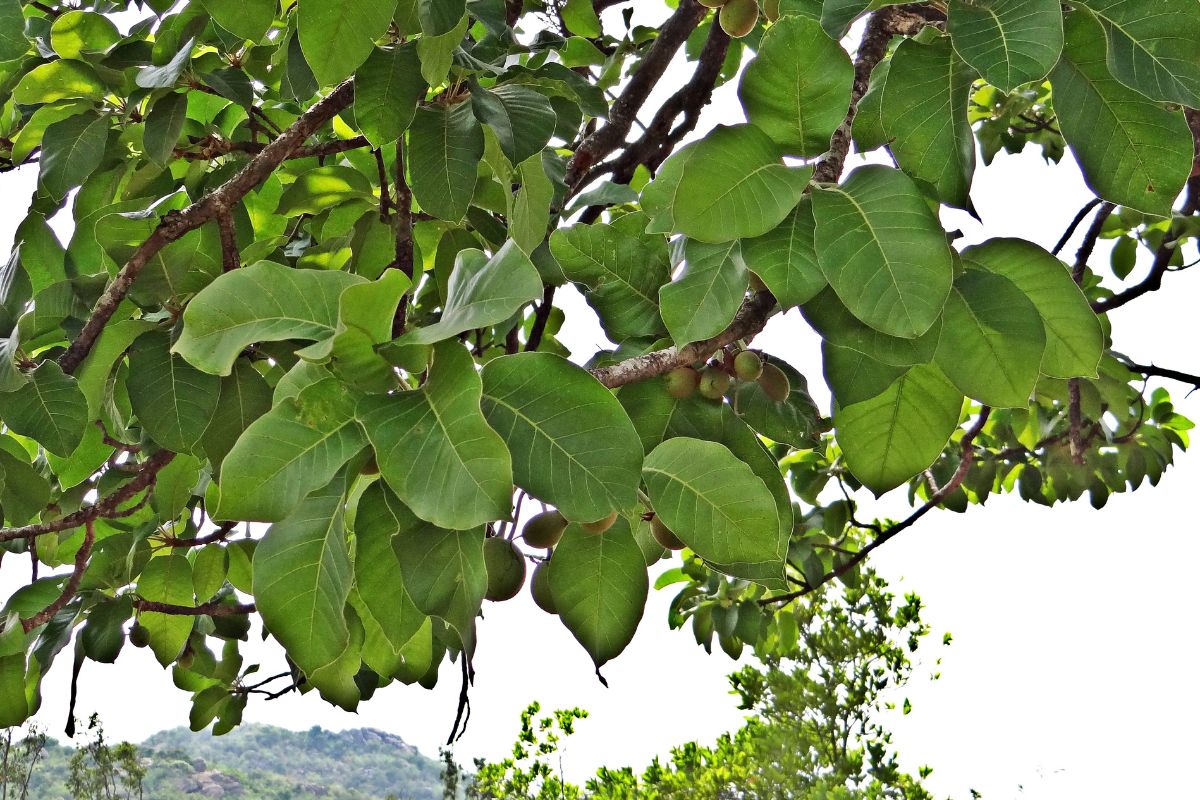
Across the forest regions of Chhattisgarh, mahua trees have supported rural livelihoods for generations. Every flowering season, families collect the sweet, fleshy flowers that fall naturally from trees and use them for food, traditional products, and household needs.
For decades, most collectors sold dried flowers as a raw commodity.
The flowers often passed through several layers of traders before reaching processors and commercial markets. While mahua remained an important source of seasonal income, much of the value addition occurred away from producing communities.
That pattern is gradually changing.
Small processing enterprises are emerging across several tribal regions, creating opportunities to transform mahua flowers into packaged foods, health products, syrups, confectionery items, and other marketable products.
The shift is helping communities earn more from a resource that has always existed around them.
Mahua is one of the most versatile non-timber forest products found in central India. Its flowers can be processed into a variety of food products, while seeds are used for oil extraction and other purposes. This diversity creates multiple business opportunities within the same value chain.
Entrepreneurs are increasingly recognising this potential.
Instead of focusing solely on raw flower sales, enterprises are exploring products that appeal to modern consumers while retaining links to traditional knowledge.
The market is expanding steadily.
New uses are creating new demand.
Value Addition Improves Returns
Raw agricultural and forest products often generate limited income compared with processed goods. Mahua follows the same pattern. Cleaning, grading, packaging, and product development significantly increase market value. Processing allows producers to participate in more profitable segments of the supply chain.
Communities that once sold unprocessed flowers can now earn additional income from activities such as drying, packaging, and manufacturing finished products.
The economic difference can be substantial.
Value addition remains the industry’s biggest opportunity.
Many mahua-processing businesses are being operated by women’s self-help groups. Members participate in collection, processing, packaging, and marketing activities while sharing profits generated by the enterprise. The model creates employment opportunities close to home.
Women’s participation has become a major strength of the sector. Several groups have successfully developed branded products that reach urban consumers interested in traditional and natural foods. The businesses support both livelihoods and entrepreneurship.
Community involvement drives growth.
Mahua collection remains an important source of seasonal income for tribal households. Processing enterprises help ensure that a larger share of economic benefits remains within local communities. Instead of exporting raw materials alone, producing regions increasingly participate in product development and marketing.
This strengthens rural economies.
Researchers studying forest-based livelihoods frequently emphasise the importance of local value addition. Mahua enterprises demonstrate how this principle can work in practice.
Economic activity expands beyond collection alone.
The entire value chain becomes more productive.
Consumer interest in indigenous foods and traditional products is growing. Many buyers are seeking products connected to local cultures, natural ingredients, and regional food traditions. Mahua fits well within these trends.
Entrepreneurs are combining traditional knowledge with modern packaging and marketing strategies.
This approach allows products to reach new markets while preserving cultural connections.
The result is a blend of heritage and business innovation.
Demand continues to expand.
A Forest Resource Creates New Opportunities
The growth of mahua processing highlights how rural enterprises can emerge from resources already present within local landscapes.
Rather than depending entirely on new crops or external investments, communities are building businesses around products they have known for generations.
For tribal households in Chhattisgarh, mahua is becoming more than a seasonal forest product.
It is becoming the foundation of a growing rural industry that supports income, employment, and entrepreneurship.
As value-added markets continue to develop, the economic importance of mahua is likely to increase.
In the forests of central India, a familiar flower is helping create a new generation of rural businesses.
Also Read: Punarnava Jal – The world’s first organic fertilizer! Know how it is beneficial for farmers?
Contact us – If farmers want to share any valuable information or experiences related to farming, they can connect with us via phone or whatsapp at 9599273766 or you can write to us at “kisanofindia.mail@gmail.com”. Through Kisan of India, we will convey your message to the people, because we believe that if the farmers are advanced then the country is happy.
You can connect with Kisan of India on Facebook, Twitter, and Whatsapp and Subscribe to our YouTube channel.