



Water availability remains one of the biggest challenges facing Indian agriculture. While some regions receive heavy rainfall during the monsoon, a large portion of that water quickly runs off before it can be stored and used later. As a result, farmers often face water shortages during critical crop stages despite receiving seasonal rainfall.
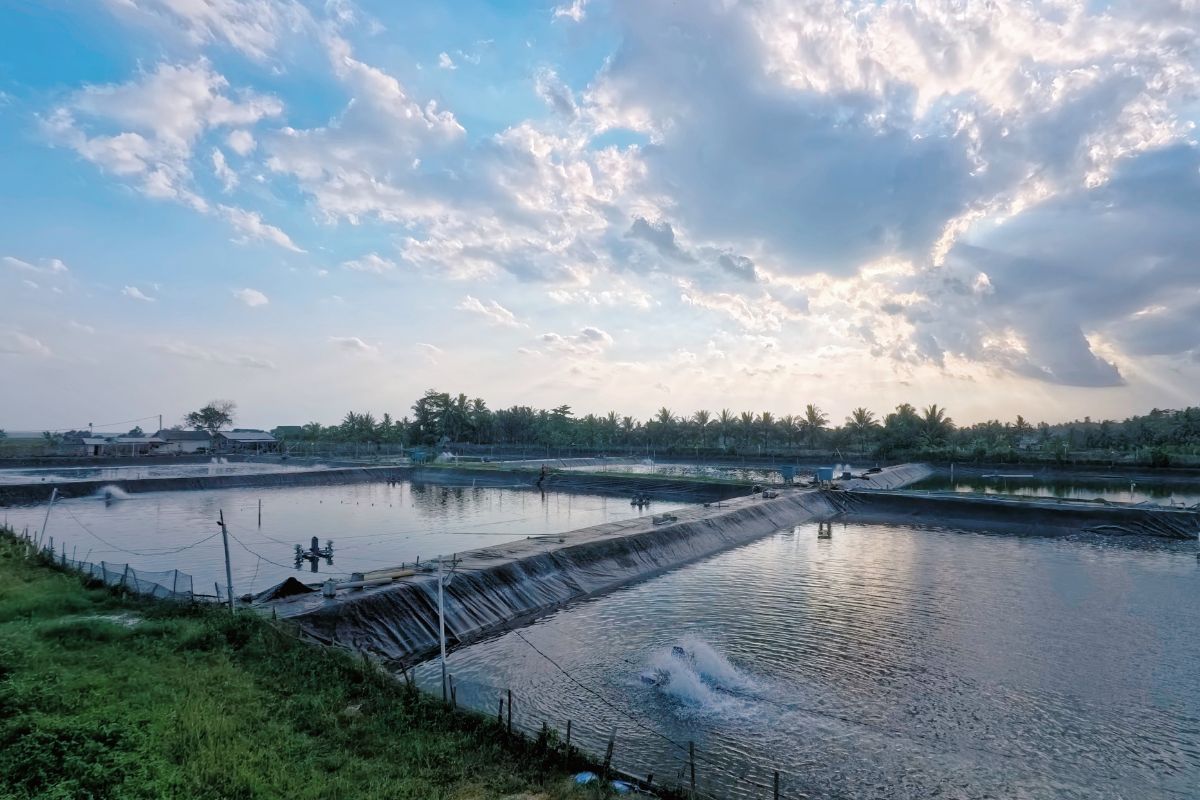
To address this issue, Andhra Pradesh has expanded efforts to promote community farm ponds in agricultural areas. These structures are designed to capture and store rainwater, allowing farmers to access irrigation during dry periods and improve crop management throughout the season.
Agricultural experts believe farm ponds are becoming increasingly important as rainfall patterns grow more unpredictable and groundwater resources face greater pressure.
A major advantage of farm ponds is their ability to capture excess rainfall that would otherwise leave agricultural fields. Stored water can later be used for supplemental irrigation during dry spells, helping farmers protect crops when rainfall becomes irregular.
Researchers studying water management frequently note that small-scale storage systems can significantly improve resilience in rainfed agriculture. Even limited quantities of stored water may help crops survive moisture stress during sensitive growth stages.
The approach is especially valuable in areas where access to large irrigation projects remains limited.
Farmers Reduce Dependence on Groundwater
Many agricultural regions depend heavily on groundwater extraction for irrigation. Continuous pumping has contributed to declining water tables in several districts, increasing production costs and long-term sustainability concerns.
Farm ponds help reduce pressure on groundwater by providing an alternative source of water collected directly from rainfall. This allows farmers to rely less on wells during parts of the growing season.
Water resource experts increasingly recommend combining groundwater management with rainwater harvesting to improve long-term agricultural sustainability.
The programme places strong emphasis on community involvement. Groups of farmers often work together to construct, maintain, and manage shared water storage structures.
This collective approach allows benefits to reach larger areas while reducing individual costs. Development researchers frequently highlight community-based resource management as an effective strategy for improving rural resilience and ensuring long-term maintenance.
When farmers participate directly in planning and management, projects are often more successful and sustainable.
Farm ponds provide advantages that extend beyond crop production. Stored water can support livestock, fisheries, and horticultural activities, creating additional livelihood opportunities for rural households.
In some areas, ponds also contribute to groundwater recharge by allowing water to infiltrate gradually into surrounding soils. This can help improve local water availability over time.
Researchers often point out that water conservation investments generate benefits across multiple sectors rather than supporting agriculture alone.
Climate Change Increases Importance
Climate variability is making rainfall patterns less predictable in many parts of India. Some regions are experiencing intense rainfall events followed by prolonged dry periods, making water storage increasingly important.
Farm ponds help farmers capture water when it is available and use it when it is needed most. This ability to bridge gaps between rainfall events makes them a valuable climate adaptation tool.
Scientists studying climate resilience consistently identify water storage infrastructure as a critical component of future agricultural planning.
The expansion of community farm ponds reflects a broader recognition that water management will play a central role in the future of farming. Improving irrigation access, reducing groundwater dependence, and strengthening resilience against weather variability are becoming key agricultural priorities.
For farmers, farm ponds provide a practical way to improve water security without waiting for large-scale infrastructure projects. For policymakers, they offer a cost-effective approach to supporting agricultural productivity and climate adaptation.
Across Andhra Pradesh, small water bodies are making a growing contribution to rural livelihoods. By storing rain when it falls, farm ponds are helping farmers prepare for the days when it does not.