


Odisha Expands Community Seed Bank Programme to Protect Traditional Crop Diversity

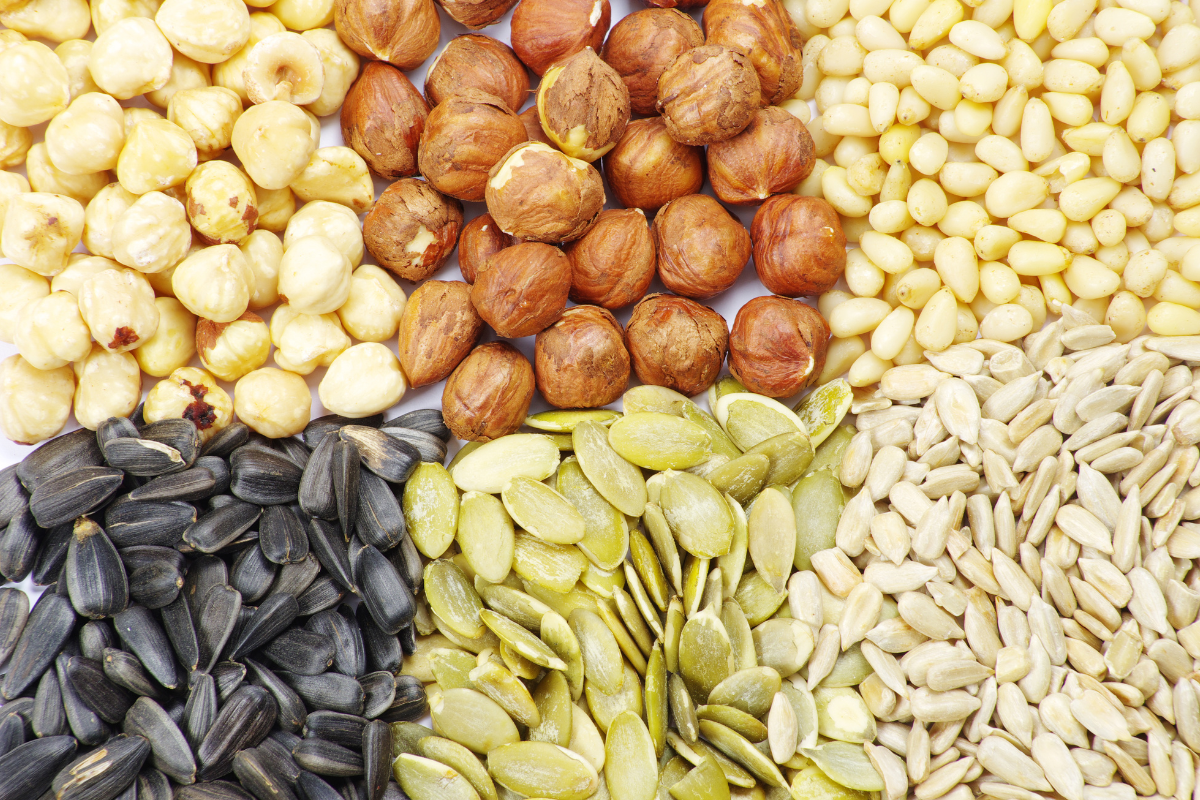
Access to quality seed is one of the most important factors determining agricultural productivity. Yet many farmers, particularly those in rainfed and tribal regions, continue to face challenges in obtaining suitable seeds before the sowing season. Delayed availability, rising costs, and the gradual disappearance of traditional crop varieties have increased concerns about long-term seed security.
To address these challenges, Odisha has expanded support for community seed banks across several districts. These locally managed seed repositories are designed to conserve traditional crop varieties, ensure timely access to seeds, and strengthen the resilience of farming systems facing increasing climatic uncertainty.
Agricultural experts believe community seed banks can play an important role in preserving agricultural biodiversity while improving farmers’ ability to cope with changing weather conditions.
Unlike commercial seed distribution systems that depend on external suppliers, community seed banks are managed directly by farmer groups. Members contribute seeds after harvest and can access them during the next planting season.
This local management structure improves seed availability while reducing dependence on distant markets. Farmers also gain greater control over seed selection and conservation practices.
Researchers studying rural agriculture frequently note that community-managed resources often improve resilience because they are adapted to local needs and conditions.
Traditional Varieties Are Being Conserved
Many traditional crop varieties have gradually disappeared as modern commercial seeds became more widespread. While improved varieties often offer higher yields, traditional crops frequently possess valuable traits such as drought tolerance, pest resistance, and adaptability to local conditions.
Community seed banks help preserve these genetic resources by maintaining seed stocks from indigenous varieties cultivated for generations. Scientists consider such conservation efforts important because genetic diversity provides options for future crop improvement.
The loss of traditional varieties could reduce agriculture’s ability to adapt to future environmental challenges.
Weather variability is increasing across many agricultural regions. Farmers are experiencing irregular rainfall, prolonged dry spells, and changing growing conditions that affect crop performance.
Traditional seed varieties often contain traits that allow them to survive under difficult conditions. Community seed banks help ensure these varieties remain available when farmers need them.
Climate adaptation researchers increasingly emphasise the importance of preserving locally adapted crops as part of broader resilience strategies.
Seed costs can become a significant burden for small and marginal farmers. Community seed banks reduce this dependence by allowing farmers to save, exchange, and access seeds within their own communities.
This approach strengthens local seed systems and keeps valuable genetic resources under farmer control. It also reduces the risk of seed shortages during years when commercial supplies are delayed or disrupted.
Agricultural economists note that stronger local seed networks often improve both affordability and accessibility.
Training Supports Better Seed Management
The programme includes training on seed selection, storage techniques, quality maintenance, and documentation. Farmers learn how to preserve seed viability while maintaining varietal purity over multiple seasons.
Extension workers and agricultural experts are also helping communities establish systems for seed testing and record keeping. These efforts improve the long-term effectiveness of seed conservation initiatives.
Researchers stress that successful seed banks depend not only on storage facilities but also on strong local knowledge and management.
The expansion of community seed banks reflects growing recognition that agricultural biodiversity is a valuable resource. Seeds are more than planting material. They represent generations of adaptation, farmer knowledge, and genetic diversity that may become increasingly important in the future.
For farmers, seed banks improve access to planting material and strengthen resilience against climate risks. For researchers, they help conserve genetic resources that could support future crop development.
As agriculture faces the combined challenges of climate change, biodiversity loss, and food security, community seed banks are emerging as a practical solution rooted in local participation and traditional knowledge.
Across Odisha’s villages, farmers are proving that safeguarding the future of agriculture often begins with protecting the seeds of the past.
Also Read: Punarnava Jal – The world’s first organic fertilizer! Know how it is beneficial for farmers?
Contact us – If farmers want to share any valuable information or experiences related to farming, they can connect with us via phone or whatsapp at 9599273766 or you can write to us at “kisanofindia.mail@gmail.com”. Through Kisan of India, we will convey your message to the people, because we believe that if the farmers are advanced then the country is happy.
You can connect with Kisan of India on Facebook, Twitter, and Whatsapp and Subscribe to our YouTube channel.