


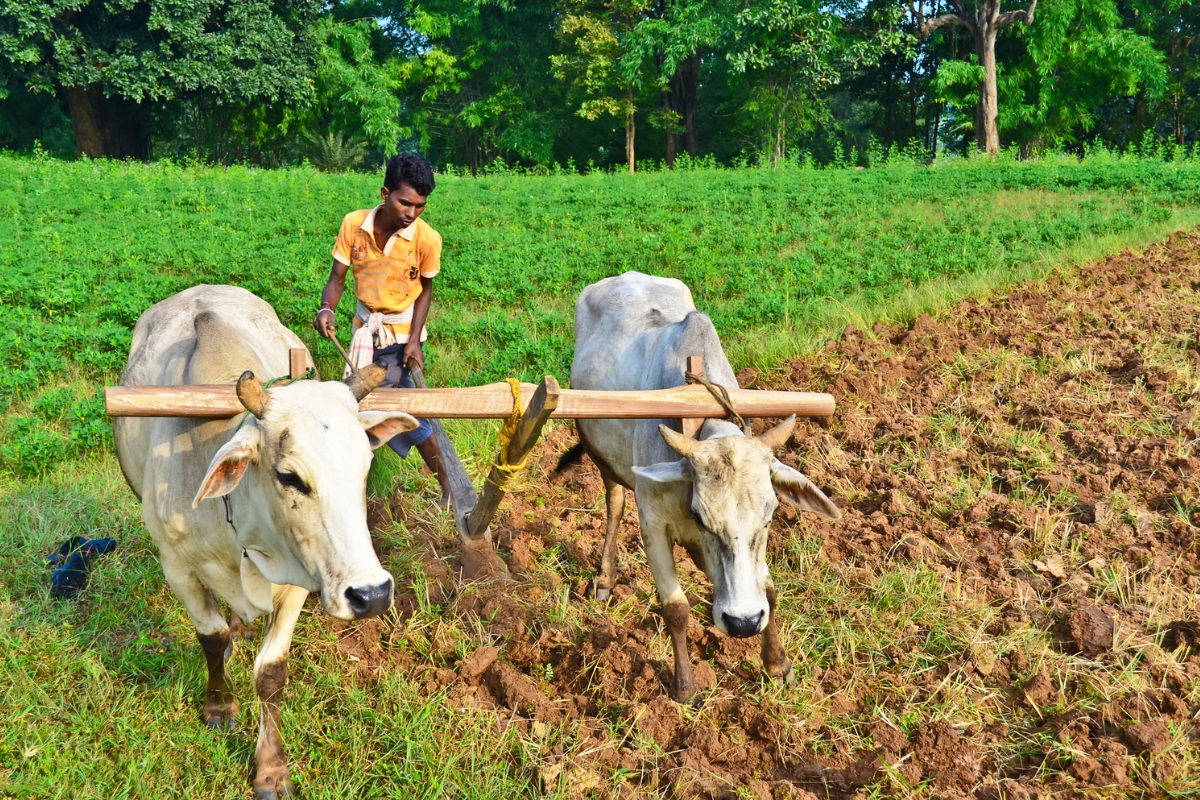
The Union Cabinet has approved the continuation of the Pradhan Mantri Kisan Samman Nidhi, or PM-KISAN, from 2026–27 to 2030–31. The government has approved a financial outlay of ₹3.15 lakh crore for the next five years. The decision means that eligible farmer families can continue receiving income support under the scheme during this period.
PM-KISAN remains one of India’s largest direct benefit schemes for farmers. Eligible landholding farmer families receive ₹6,000 a year in three instalments of ₹2,000 each. The government transfers the money directly into eligible beneficiaries’ bank accounts through the Direct Benefit Transfer system.
What does the Cabinet decision mean for farmers?
The latest decision does not increase the annual benefit from ₹6,000. It continues the existing scheme for another five years, from the financial year 2026–27 to 2030–31.
For farmers already receiving PM-KISAN payments, the continuation provides certainty that the scheme will remain in place, subject to eligibility and verification requirements. New or existing beneficiaries must still meet the conditions laid down under the scheme.
PM-KISAN was launched in February 2019 to provide income support to eligible landholding farmer families. Since its launch, the scheme has transferred large amounts directly to farmers across the country.
In June 2026, the government released the 23rd instalment of PM-KISAN, transferring more than ₹18,880 crore to over 9.44 crore farmers. More than 2.18 crore women farmers were among the beneficiaries of that instalment.
The financial benefit under PM-KISAN remains ₹6,000 per year. The government pays this amount in three equal instalments of ₹2,000. The money goes directly into the bank accounts of eligible beneficiaries through DBT.
For farmers, this means the scheme is not a loan. Farmers do not need to repay the ₹6,000 received under PM-KISAN. The support can help farmers meet some agricultural and household expenses, though ₹6,000 may cover only a small part of the total cost of cultivation for many farms. The government’s July 2026 Cabinet decision allocated ₹3.15 lakh crore for continuing the scheme over five years.
Why eKYC and verification are important
Receiving PM-KISAN benefits depends on proper verification. The government has made several requirements important for eligible beneficiaries, including Aadhaar linking with bank accounts, land-related verification and eKYC. These requirements are designed to ensure that benefits reach eligible farmers and reduce incorrect or duplicate payments.
States and Union Territories play an important role in identifying, validating and verifying beneficiaries. The Centre releases funds based on beneficiaries identified and verified through this process. A farmer whose information is incomplete or does not match official records may face delays or problems in receiving instalments. Farmers should therefore check their PM-KISAN details instead of waiting until a payment fails to arrive.
Who can receive PM-KISAN benefits?
PM-KISAN is designed for eligible landholding farmer families, subject to the scheme’s rules and exclusions. Landholding is a key condition under the scheme. Not every person involved in agriculture automatically qualifies. The government applies eligibility conditions and exclusions based on the scheme guidelines.
Farmers should therefore check their individual eligibility through official channels rather than relying on information from social media or unofficial agents. Verification also continues after registration. A farmer who received benefits earlier should not assume that no further checks are required. Government systems can require beneficiaries to update or verify information as rules and procedures change.
Before large-scale digital benefit systems, government support often involved several administrative steps. PM-KISAN uses Direct Benefit Transfer to send money directly to eligible beneficiaries’ bank accounts. The government says the digital system has helped improve the registration and verification process and reduced the role of intermediaries.
For farmers, the main benefit is direct access to the payment. But this also means that correct digital and banking records are important. A spelling error, incorrect bank information or incomplete verification can affect whether the payment reaches the intended beneficiary.
What should farmers do now?
The continuation of PM-KISAN until 2030–31 means eligible farmers can continue receiving support under the scheme if they meet the required conditions.
Farmers can take a few practical steps:
- Complete pending eKYC requirements
- Check beneficiary status through official channels
- Ensure bank details are correct
- Keep land records updated
- Report errors through authorised government offices
- Avoid unofficial agents who demand money for registration or verification
The July 2026 Cabinet decision gives PM-KISAN another five years of approved funding. For farmers, the immediate focus should be ensuring that their records are complete and verified so that eligible payments reach their accounts without avoidable delays.
PM-KISAN now has a longer approved future. The amount remains ₹6,000 a year, paid in three instalments. The most important question for individual farmers is whether their records meet the current eligibility and verification requirements.
Also Read: Punarnava Jal – The world’s first organic fertilizer! Know how it is beneficial for farmers?
Contact us – If farmers want to share any valuable information or experiences related to farming, they can connect with us via phone or whatsapp at 9599273766 or you can write to us at “kisanofindia.mail@gmail.com”. Through Kisan of India, we will convey your message to the people, because we believe that if the farmers are advanced then the country is happy.
You can connect with Kisan of India on Facebook, Twitter, and Whatsapp and Subscribe to our YouTube channel.