



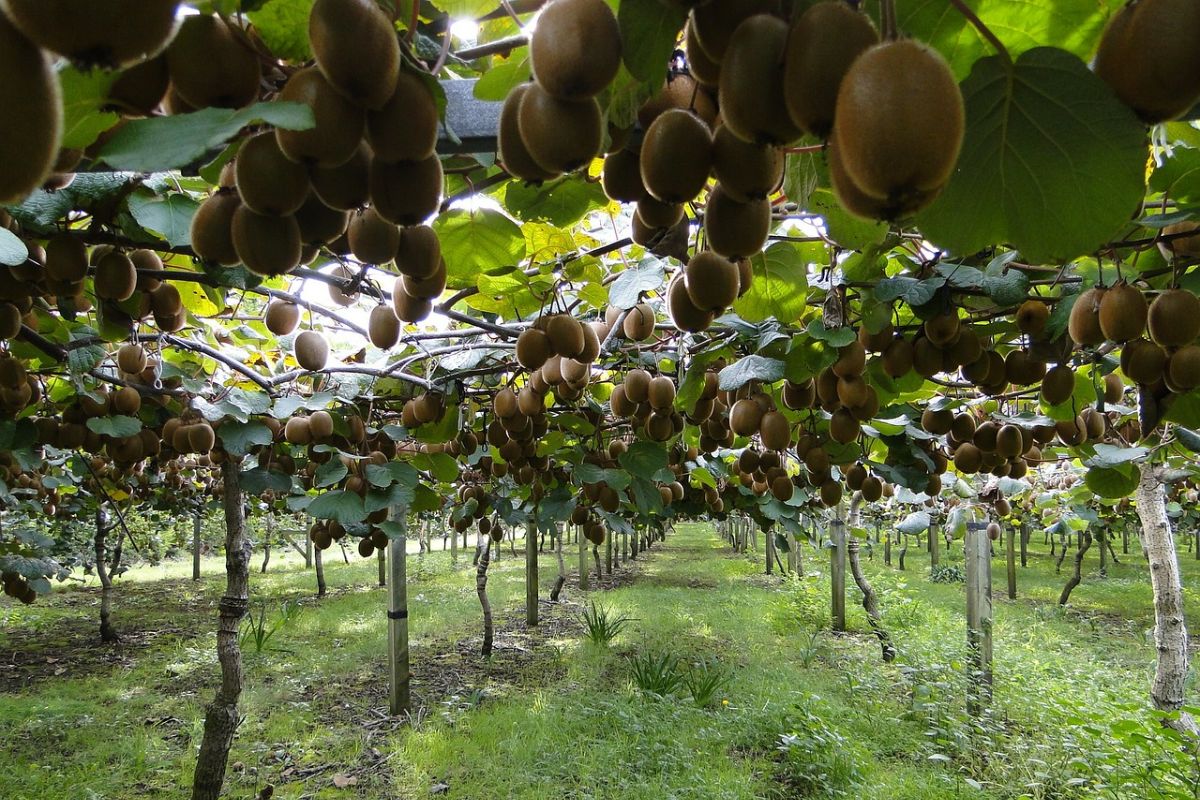
In the hill districts of Nagaland, a young farmer decided to move beyond conventional cultivation and invest in kiwi farming, a crop once considered unusual in many parts of India. What began as a small experiment on family-owned land gradually developed into a profitable horticulture enterprise supplying markets beyond the state. Researchers say such success stories are becoming more common in the Northeast as farmers explore high-value crops suited to local climatic conditions. Agriculture experts believe the region’s unique geography offers significant opportunities for specialized horticulture.
Nagaland’s cool temperatures, hilly terrain, and adequate rainfall create conditions suitable for kiwi production. The farmer selected improved planting material and adopted scientific orchard management practices while learning from horticulture experts and local agricultural departments.
Researchers say kiwi cultivation requires patience because orchards take several years before reaching full production. Agriculture experts note that long-term planning often separates successful horticulture ventures from short-lived agricultural experiments.
As production increased, the farmer began supplying kiwi fruit to traders and wholesale markets where demand remained strong. Consumers across India have shown increasing interest in fresh fruits, particularly products associated with nutrition and premium quality. Researchers say rising fruit consumption is creating new opportunities for growers in hill states.
Agriculture experts believe high-value horticulture can generate significantly greater returns per acre compared to many traditional field crops when supported by reliable market access.
Value Addition Expanded Income Sources
Rather than relying entirely on fresh fruit sales, the farmer later explored value-added products including processed kiwi items and direct marketing initiatives. Researchers say value addition often improves profitability because farmers capture a larger share of the final consumer market. Agriculture experts note that branding local produce can strengthen regional agricultural identities while helping growers differentiate themselves from larger commercial producers operating elsewhere.
The expanding orchard created seasonal and permanent work opportunities for local residents involved in harvesting, sorting, packaging, and orchard maintenance. Researchers studying rural development say successful agricultural enterprises often create indirect economic benefits extending beyond the farm itself. Agriculture experts believe horticulture can become an important employment generator in hill regions where large-scale industrial opportunities remain limited.
Farmers across the Northeast are increasingly evaluating crops that can perform well under changing weather conditions. Researchers say horticulture diversification helps reduce dependence on a narrow range of agricultural activities.
Agriculture experts note that climate-resilient farming strategies often include a mix of crops, improved water management, and market-oriented production systems. Kiwi cultivation has attracted attention partly because it offers an alternative income source in suitable agro-climatic zones.
Young Farmers Are Returning to Agriculture
One of the most significant aspects of the story is the role of youth in modern agriculture. Researchers say many young entrepreneurs are beginning to view farming as a business opportunity rather than a last-resort occupation. Access to information, digital marketing, improved planting material, and better connectivity has changed how some rural youth approach agriculture. Agriculture experts believe attracting younger generations into farming will be essential for the long-term future of India’s agricultural sector.
The success of kiwi cultivation highlights how regional strengths can shape agricultural development. Instead of copying farming systems from other states, growers are building businesses around crops naturally suited to local conditions. Researchers say this approach often leads to more sustainable and profitable outcomes. In Nagaland’s hills, kiwi farming is demonstrating how specialized horticulture can create opportunities for farmers willing to combine traditional land resources with modern agricultural practices.
Also Read: Punarnava Jal – The world’s first organic fertilizer! Know how it is beneficial for farmers?
Contact us – If farmers want to share any valuable information or experiences related to farming, they can connect with us via phone or whatsapp at 9599273766 or you can write to us at “kisanofindia.mail@gmail.com”. Through Kisan of India, we will convey your message to the people, because we believe that if the farmers are advanced then the country is happy.
You can connect with Kisan of India on Facebook, Twitter, and Whatsapp and Subscribe to our YouTube channel.