


How a Farmer Built a Profitable Mushroom Farming Business Inside a Small Room

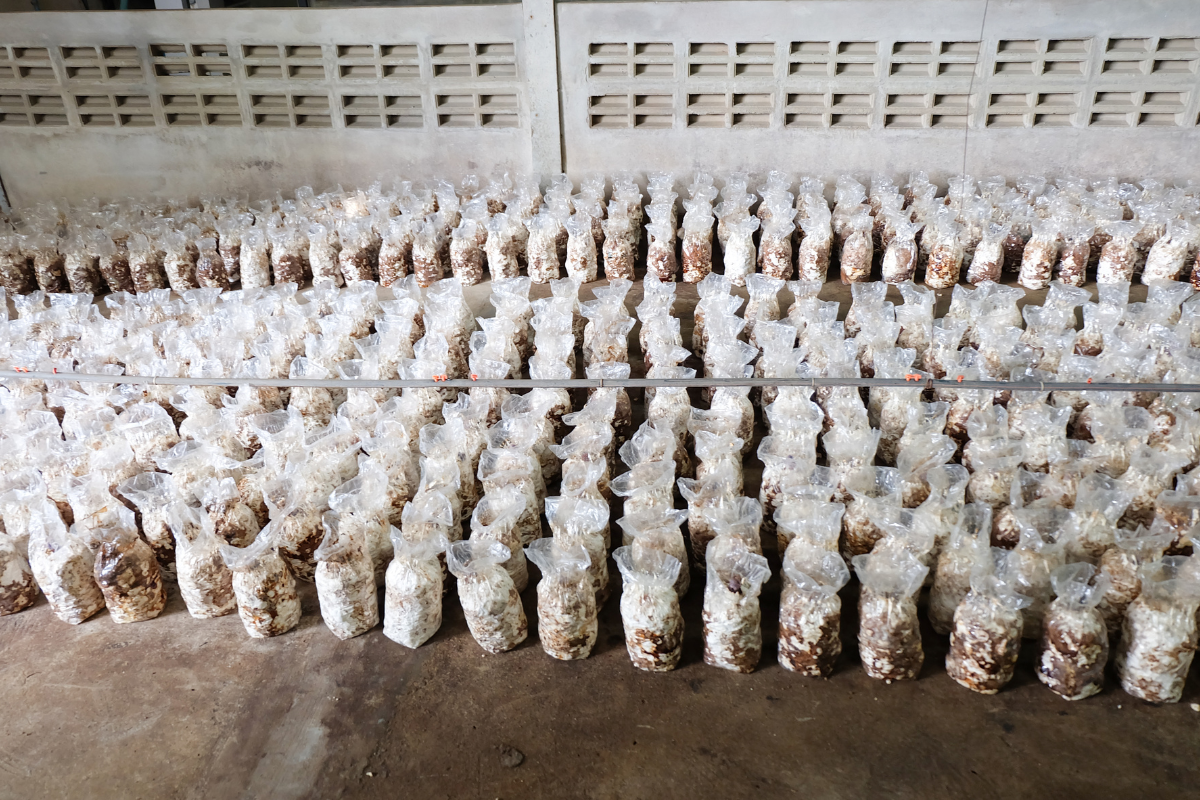
A small farmer from Bihar struggled for years with rising farming expenses and unstable crop prices. Traditional farming on limited land was no longer providing stable income for the family. Irregular rainfall and increasing fertilizer costs made cultivation even more difficult during recent seasons. The farmer wanted an agricultural activity that required less land, lower water use, and smaller investment compared to field crops.
After attending a local agriculture training programme, he decided to try mushroom farming inside an unused room near his house. At first, the family treated the idea as a side activity because mushroom cultivation was still uncommon in the village. Agriculture experts conducting the training explained that mushroom farming could generate regular income in small spaces if temperature and moisture conditions were managed properly.
The farmer converted a small room into a simple mushroom growing unit using bamboo racks, plastic sheets, and humidity control methods. Instead of expensive infrastructure, he used low-cost locally available materials to reduce investment. Paddy straw and compost were prepared carefully before mushroom bags were arranged inside the room.
Agriculture experts say mushroom farming is becoming attractive for small farmers because cultivation happens vertically instead of across large land areas. Farmers can grow significant quantities even inside compact indoor spaces if environmental conditions remain suitable.
The First Harvest Changed Everything
The first mushroom harvest surprised the farmer because local demand turned out to be much stronger than expected. Nearby vegetable sellers, restaurants, and households started purchasing fresh mushrooms regularly. Since mushrooms are highly perishable, buyers preferred fresh local supply instead of waiting for produce transported from distant cities.
The farmer realized that small daily sales created more stable cash flow compared to seasonal crop income. Agriculture experts say regular short harvest cycles make mushroom cultivation attractive because farmers do not need to wait several months for returns like traditional field crops.
As demand increased, other family members also became involved in the work. Women in the household started helping with bag preparation, watering, harvesting, and packaging activities. Agriculture experts say mushroom farming often creates employment opportunities for women because much of the work happens indoors and requires careful handling instead of heavy labour.
The family gradually expanded production by adding more racks and increasing the number of cultivation bags during winter months when mushroom growth conditions improved naturally.
One reason the farmer continued mushroom cultivation was low water consumption compared to traditional agriculture. Mushroom farming requires moisture control inside rooms but does not depend on heavy irrigation systems like field crops.
Agriculture experts say water-efficient farming systems are becoming increasingly important because groundwater levels are falling in several regions. Indoor cultivation systems also protect crops from heatwaves, heavy rain, and other extreme weather events affecting open-field agriculture.
Social Media Helped Expand Sales
The farmer later started promoting mushroom sales through WhatsApp groups and local social media pages. Customers began placing direct orders for home delivery in nearby towns. Restaurants and small grocery stores also became regular buyers after seeing stable product quality.
Agriculture experts say digital platforms are creating new opportunities for small agricultural businesses because farmers can now connect directly with consumers without depending fully on wholesale markets.
Despite success, mushroom farming still requires careful management. Temperature control becomes difficult during peak summer months. Contamination inside growing rooms can also damage production if hygiene is not maintained properly. Agriculture experts say training remains important because mushroom cultivation depends heavily on moisture balance, ventilation, and cleanliness.
The farmer initially faced losses during one production cycle after poor-quality compost affected growth. Later, better training and improved preparation methods helped stabilize production.
The success of the mushroom unit attracted attention from nearby villages. Several young farmers visited the farm to understand indoor cultivation methods and income potential. Agriculture officers later organized demonstration visits because mushroom farming was generating employment using limited land and small investment.
Experts believe indoor farming activities such as mushrooms, hydroponics, and nursery production may grow further as agriculture faces land pressure and climate-related uncertainty.
Mushroom Farming Is Becoming a Rural Business Model
Agriculture experts say mushroom cultivation is slowly shifting from a small household activity to a structured agri-business opportunity. Farmers who manage production carefully often generate regular income through local markets, restaurants, and direct customer networks.
The Bihar farmer now plans to expand into processed mushroom products and dried packaging. What started inside one small room has become the family’s main income source, showing how small-scale indoor farming can create new opportunities in rural agriculture.
Also Read: Punarnava Jal – The world’s first organic fertilizer! Know how it is beneficial for farmers?
Contact us – If farmers want to share any valuable information or experiences related to farming, they can connect with us via phone or whatsapp at 9599273766 or you can write to us at “kisanofindia.mail@gmail.com”. Through Kisan of India, we will convey your message to the people, because we believe that if the farmers are advanced then the country is happy.
You can connect with Kisan of India on Facebook, Twitter, and Whatsapp and Subscribe to our YouTube channel.