



For years, a farmer from Maharashtra cultivated soybean, wheat, and pulses on his family farm. Like many growers, he struggled with rising fertiliser prices and declining soil fertility. Every season, large quantities of crop residues and livestock waste accumulated on the farm, often creating disposal challenges.
Instead of viewing this material as waste, he saw an opportunity. After attending a training programme organised by the agriculture department, he decided to start a small vermicompost unit using crop residues, cattle dung, and earthworms.
What began as an effort to reduce fertiliser costs gradually developed into a profitable agricultural business that now generates income throughout the year.
The farmer’s initial investment was modest. He constructed a few composting beds using locally available materials and began processing farm waste into vermicompost.
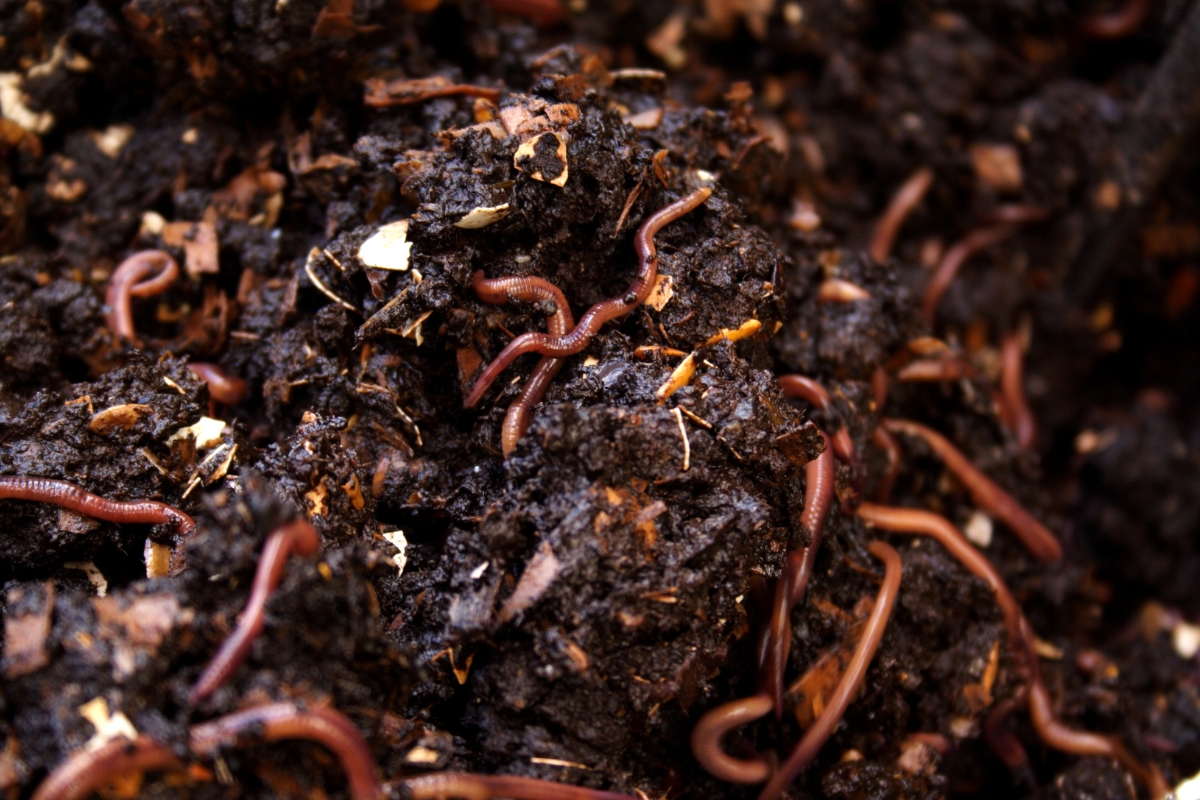
Crop residues, dry leaves, and animal manure that previously had little value became the raw material for production. Earthworms converted this organic matter into nutrient-rich compost that could be used directly in fields.
Agricultural experts often point out that successful farm businesses frequently emerge from resources that are already available on the farm.
Reducing Fertiliser Expenses
The first benefit appeared on his own fields. Instead of relying entirely on purchased fertilisers, he began applying vermicompost to improve soil health and nutrient availability.
Over time, soil structure improved, moisture retention increased, and fertiliser expenses declined. These savings encouraged him to expand production beyond his own requirements.
Researchers studying soil health frequently report that organic matter plays a crucial role in maintaining long-term productivity.
As neighbouring farmers observed the results, demand for vermicompost increased. Many growers were looking for alternatives to rising fertiliser costs and wanted to improve soil fertility.
The farmer started selling surplus production to nearby villages. Word-of-mouth recommendations helped attract more customers, and the business expanded steadily.
Agricultural economists note that local demand often provides the strongest foundation for rural enterprises.
Rather than selling compost in bulk alone, the farmer began packaging and branding the product for retail sales. Small bags appealed to vegetable growers, nursery operators, and home gardeners.
Packaging improved market visibility and increased the value of each kilogram sold. The enterprise gradually shifted from a side activity into an important source of income.
Researchers often emphasise that value addition can significantly improve returns from agricultural products.
Employment Opportunities Emerged
As production expanded, additional workers were needed for collection, processing, packaging, and transportation. The enterprise created employment opportunities within the village while supporting sustainable waste management.
Several young farmers also visited the unit to learn about vermicomposting and explore similar opportunities on their own farms.
Development experts frequently identify organic input production as a promising rural business sector.
Today, the vermicompost enterprise generates income alongside conventional crop cultivation. The farmer continues growing crops but now earns additional revenue from selling organic fertiliser throughout the year.
His success demonstrates that agricultural entrepreneurship is not always about cultivating new crops. Sometimes the opportunity lies in converting existing farm resources into products that solve problems for other farmers.
For growers facing rising input costs, the story offers a practical example of how waste can become a valuable asset. What was once considered a disposal challenge has become the foundation of a profitable business, proving that sustainable farming practices can also create sustainable income.
Also Read: Punarnava Jal – The world’s first organic fertilizer! Know how it is beneficial for farmers?
Contact us – If farmers want to share any valuable information or experiences related to farming, they can connect with us via phone or whatsapp at 9599273766 or you can write to us at “kisanofindia.mail@gmail.com”. Through Kisan of India, we will convey your message to the people, because we believe that if the farmers are advanced then the country is happy.
You can connect with Kisan of India on Facebook, Twitter, and Whatsapp and Subscribe to our YouTube channel.