



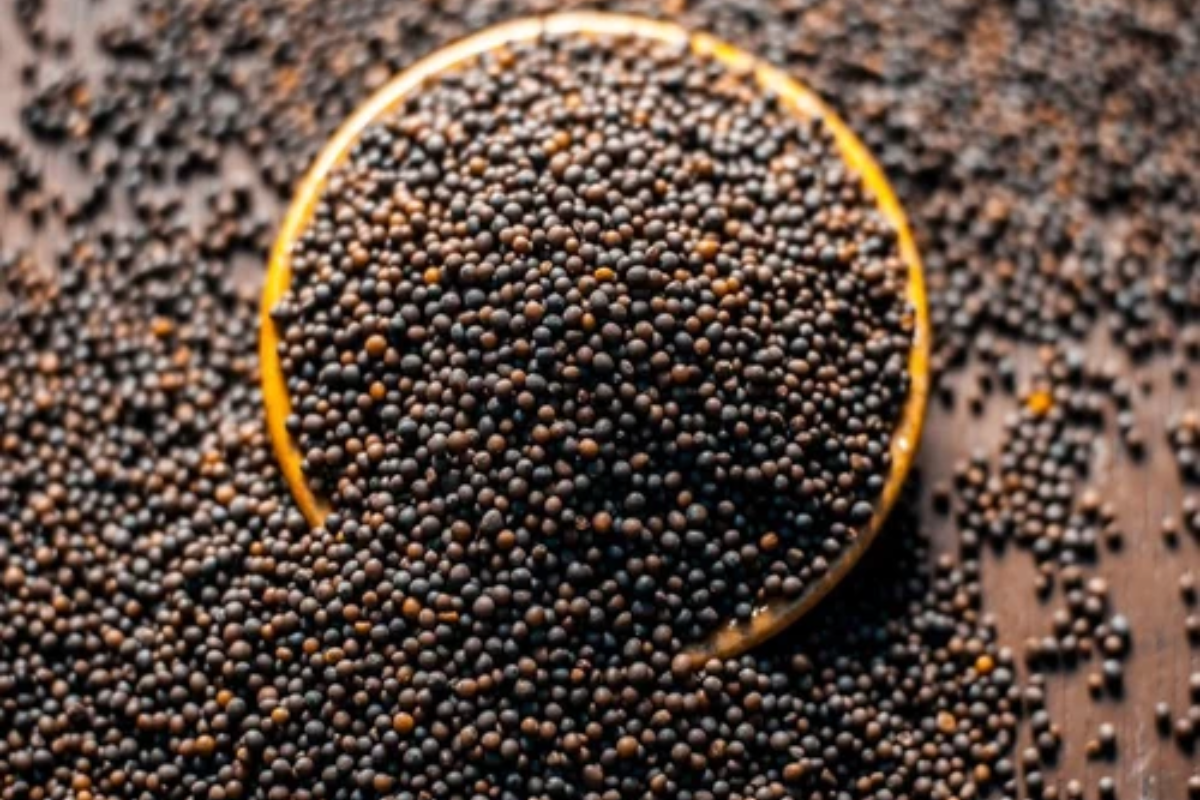
In a village in Nagaland, women farmers are taking seed conservation into their own hands. A women-led community seed bank in Chizami, Phek district, is helping farmers preserve indigenous crop varieties and maintain access to seeds that have been grown and selected locally over generations.
ICAR documented the initiative in August 2026 as part of its farmer success stories. The project shows how community-based seed conservation can support farmers while protecting local crop diversity.
Why saving local seeds matters
Many farmers depend on purchasing seed before every crop season. Commercial seed can offer useful options, especially when farmers need varieties with specific traits. But local seed systems also remain important in many farming communities.
Traditional varieties may have been selected over generations under local soil, rainfall and climate conditions. When farmers stop saving and maintaining these seeds, some local varieties can gradually disappear. The women-led seed bank in Chizami offers a way to conserve this diversity while keeping seeds available within the community.
Access to seed becomes a problem when farmers cannot find suitable varieties at the start of the season. Transport disruptions, high prices and limited local availability can all affect small farmers. A community seed bank can provide another source.
Farmers contribute seeds, store them and make them available to other members when needed. The system can also encourage farmers to keep records of different varieties. These records may include:
- Crop type
- Local variety name
- Seed source
- Sowing season
- Storage period
- Crop characteristics
Such information helps communities understand what they are conserving.
In many farming communities, women play an important role in selecting, storing and exchanging seeds. They often hold knowledge about which varieties perform well, how seeds should be stored and which crops suit local food habits. The Chizami initiative places women at the centre of this work.
ICAR’s August 2026 success story describes the seed bank as a women-led effort that combines traditional knowledge with organised community action. This can also create a stronger role for women in local farming decisions.
Seed ownership affects what farmers grow. The ability to maintain and exchange seed gives communities greater control over their crop choices.
Seed conservation also supports crop diversity
Farmers may face greater risk when they depend on only a few crop varieties. Different varieties can respond differently to drought, rainfall changes, pests and diseases. Maintaining a wider range of seeds gives farmers more options.
This does not mean every traditional variety will perform better than a modern variety. Both can have a role. The important point is that farmers should not lose useful local genetic resources without understanding their value. Community seed banks can preserve varieties while farmers continue testing and selecting crops that meet their needs.
Saving seeds only works when the seed remains viable. Farmers need suitable storage practices to protect seed from moisture, insects and damage. A community seed bank requires regular checks.
Farmers need to monitor:
- Seed moisture
- Storage temperature
- Pest damage
- Germination rates
- Age of stored seed
Older seed may lose its ability to germinate. Communities therefore need to grow and regenerate seed stocks regularly. This keeps the seed bank active rather than turning it into a collection of old samples.
The Chizami seed bank is located in a specific farming community, but the idea has wider relevance. Farmers across India continue to face questions about seed access, crop diversity and the future of indigenous varieties. A community-based system can work when farmers are willing to contribute seed, maintain records and follow agreed rules for distribution and replacement.
The model depends on participation. A seed bank cannot survive if farmers only take seed and do not contribute back to the system.
What farmers can learn from Chizami
The strongest lesson is that seed conservation does not have to remain limited to research centres. Farmer communities can play a direct role. A group interested in starting a local seed bank can begin by identifying:
- Which local varieties are still grown
- Which varieties are becoming rare
- Which farmers hold the seeds
- How seed quality will be tested
- Where seeds will be stored
- How farmers will borrow and return seeds
The women-led seed bank in Chizami shows that protecting crop diversity can begin at the village level. For farmers, seeds are not only an input purchased before sowing. They can also represent knowledge built through years of cultivation. Keeping that knowledge and those seeds alive may give future farmers more choices about what they grow.
Also Read: Punarnava Jal – The world’s first organic fertilizer! Know how it is beneficial for farmers?
Contact us – If farmers want to share any valuable information or experiences related to farming, they can connect with us via phone or whatsapp at 9599273766 or you can write to us at “kisanofindia.mail@gmail.com”. Through Kisan of India, we will convey your message to the people, because we believe that if the farmers are advanced then the country is happy.
You can connect with Kisan of India on Facebook, Twitter, and Whatsapp and Subscribe to our YouTube channel.