



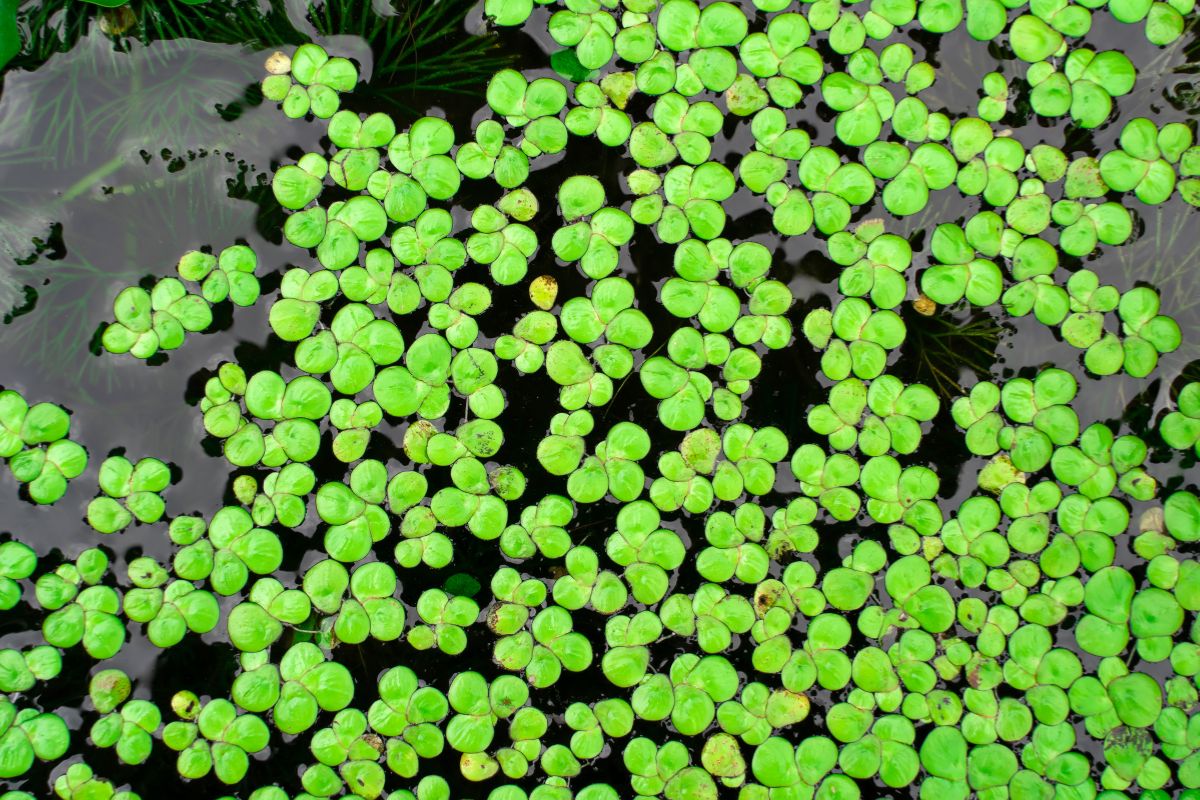
In rural Vietnam, livestock farmers are increasingly turning to an unlikely resource growing on the surface of ponds and irrigation channels. Duckweed, a tiny floating aquatic plant often dismissed as a weed, is becoming an important component of poultry and livestock feeding systems.
The shift is driven by a challenge familiar to farmers worldwide.
Feed accounts for the largest share of livestock production costs. Rising prices for conventional feed ingredients such as maize and soybean meal have placed pressure on small-scale producers, forcing many to search for affordable alternatives.
Duckweed is emerging as one solution.
Its rapid growth, high protein content, and ability to thrive in small water bodies make it an attractive feed resource for rural households. Researchers and development agencies are increasingly studying its role in sustainable livestock systems.
Duckweed is one of the fastest-growing plants in the world. Under favourable conditions, it can multiply quickly and produce large quantities of biomass within a short period. Farmers can harvest it regularly from ponds without needing extensive land or expensive inputs.
This productivity makes the plant particularly appealing for smallholders.
Unlike many feed crops that require dedicated fields, duckweed can be produced in existing water bodies. Farmers therefore gain access to an additional feed resource without sacrificing land used for food production.
The system maximises available resources.
Efficiency is one of its key advantages.
Protein Content Supports Livestock Nutrition
One reason duckweed attracts attention is its nutritional value. The plant contains relatively high levels of protein and can supplement conventional feed ingredients in poultry, fish, and livestock diets. Farmers often combine harvested duckweed with other locally available feed materials.
Researchers continue evaluating optimal feeding strategies for different animal species.
While duckweed is not intended to replace complete feed formulations entirely, it can reduce dependence on purchased feed under certain conditions.
This potential is especially important for small-scale farmers operating with limited budgets.
Feed savings can significantly influence profitability.
Village poultry systems are among the biggest beneficiaries of duckweed production. Farmers raising ducks and chickens frequently incorporate fresh duckweed into feeding programmes. The practice reduces feed costs while making use of resources already available on the farm.
Integrated farming systems strengthen these benefits.
Ponds used for fish production can also generate duckweed, creating multiple outputs from the same resource. Waste nutrients from livestock operations may further support plant growth.
The result is a highly interconnected farming model.
Resource recycling becomes part of everyday management.
Agricultural experts increasingly emphasise the importance of reducing waste and improving resource efficiency. Duckweed aligns closely with these goals because it converts nutrients into useful biomass while requiring minimal external inputs. Some systems even use it in wastewater treatment applications before harvesting it for agricultural purposes. The environmental benefits complement economic gains.
Farmers can lower feed costs while making better use of available resources. This combination is attracting growing interest from researchers studying sustainable livestock production. The approach supports circular agriculture. Nothing is wasted unnecessarily.
Lessons for Smallholder Agriculture
Many agricultural innovations focus on advanced technologies or expensive infrastructure.
Duckweed offers a different lesson.
A simple plant, often ignored or removed from ponds, is helping farmers reduce costs and improve resilience. The idea succeeds not because it is complex but because it uses local resources effectively.
Development organisations working with smallholders increasingly recognise the value of such solutions.
Practical innovations often have the greatest impact when they remain affordable and accessible.
Duckweed fits that principle perfectly.
The story of duckweed farming highlights an important reality about agriculture.
New opportunities do not always come from new inventions. Sometimes they emerge when farmers look differently at resources that already exist around them.
In Vietnam, a floating aquatic plant is helping poultry producers lower costs, improve sustainability, and strengthen farm economics. What was once considered little more than pond vegetation is becoming a useful component of modern livestock systems.
As feed costs continue to challenge farmers worldwide, interest in alternative resources is likely to grow.
For many producers, one answer may already be floating on the water’s surface.
Contact us: If farmers want to share information or experiences related to farming with us, then they can do this by calling us on the phone number 9599273766 or by writing an email to kisanofindia.mail@gmail.com or by sending your recording. Through Kisan of India, we will convey your message to the people, because we believe that if the farmers are advanced then the country is happy.