



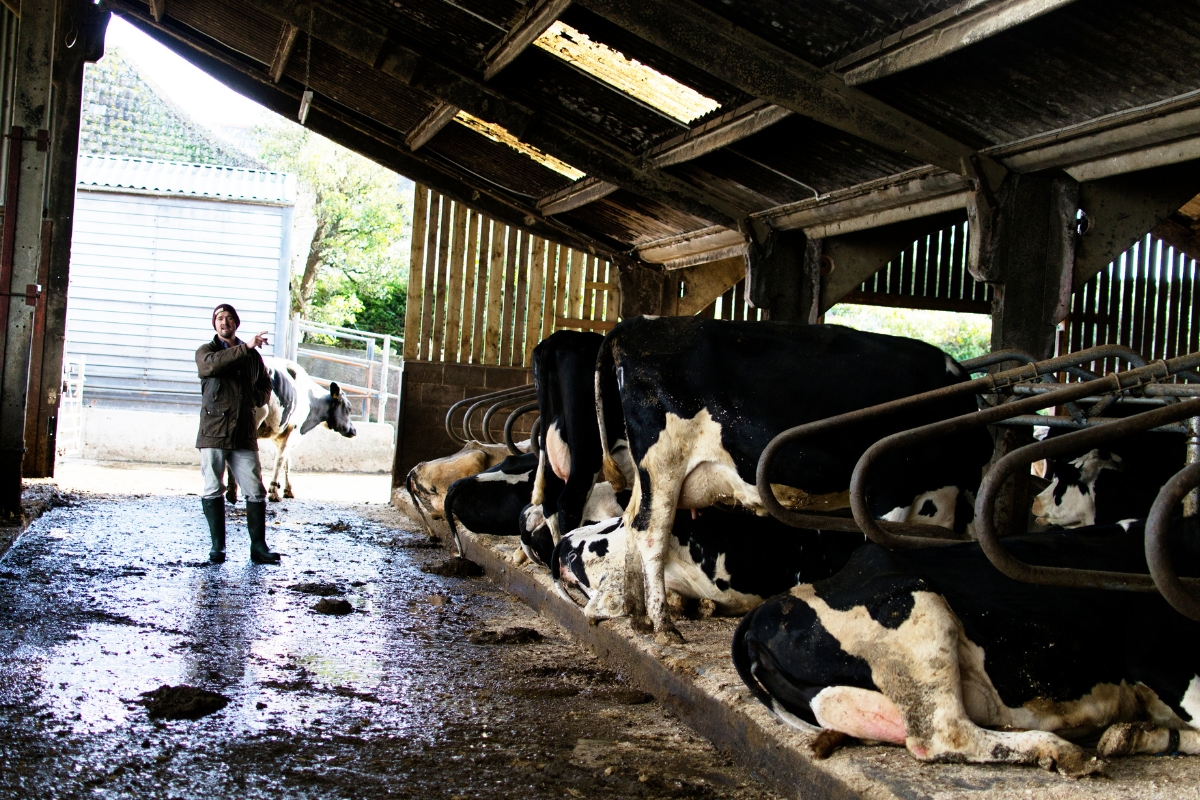
Improving livestock productivity has traditionally been a slow process. Farmers often wait years to see the results of selective breeding because a high-performing cow can produce only a limited number of calves during her lifetime. As demand for milk continues to rise, researchers and livestock breeders are looking for ways to accelerate genetic improvement without increasing herd sizes unnecessarily.
One of the most promising solutions is Embryo Transfer Technology (ETT). This technique allows superior female animals to produce multiple offspring in a single year by transferring fertilised embryos into surrogate mothers. Instead of relying on natural reproduction alone, breeders can rapidly multiply desirable genetic traits such as high milk yield, disease resistance, fertility, and heat tolerance.
Researchers believe embryo transfer could play a major role in strengthening India’s dairy sector and improving livestock productivity in the coming decades.
Under normal conditions, even the best dairy cow can produce only a limited number of calves throughout her productive life. Embryo transfer changes this by allowing multiple embryos to be collected from genetically superior animals and implanted into recipient cows.
As a result, one high-performing cow can contribute to the birth of many more calves than would be possible through conventional breeding. This significantly accelerates herd improvement and allows valuable genetics to spread more rapidly among dairy farmers.
Animal breeding experts consider genetic improvement one of the most effective ways to increase productivity over the long term.
Milk Production Benefits From Better Breeding
The primary objective of embryo transfer programmes is to improve livestock quality. Animals selected as embryo donors are usually chosen because of their exceptional performance in traits such as milk production, reproductive efficiency, and overall health.
When these genetic traits are passed on to a larger number of offspring, future generations of dairy animals often perform better than the existing herd. Researchers note that sustained genetic improvement contributes directly to higher milk yields and better farm profitability.
For dairy farmers, improved genetics can create benefits that continue for many years.
Embryo transfer is not limited to exotic dairy breeds. Scientists are increasingly using the technology to conserve and improve valuable indigenous cattle breeds known for heat tolerance, disease resistance, and adaptability to local conditions.
Many native breeds possess characteristics that may become increasingly important as climate change affects livestock production. By multiplying superior indigenous animals, researchers hope to preserve valuable genetic resources while supporting sustainable dairy development.
Conservation specialists view advanced breeding technologies as important tools for protecting livestock biodiversity.
Disease Risks Can Be Reduced
Transporting live animals across long distances often increases the risk of spreading infectious diseases. Embryo transfer offers an alternative because genetic material can be moved without transporting adult animals.
Strict health protocols during embryo collection and transfer help minimise disease transmission. This makes the technology attractive for breeding programmes seeking to improve livestock quality while maintaining biosecurity standards.
Veterinary experts note that disease management remains a critical component of successful livestock development.
India’s dairy industry continues to evolve as farmers adopt improved feeding practices, better healthcare, and advanced breeding methods. Embryo transfer forms part of this broader effort to increase productivity through science-based livestock management.
Government agencies, research institutions, and breeding centres are expanding efforts to make advanced reproductive technologies more accessible. Training programmes are also helping veterinarians and livestock professionals develop the skills needed to implement these systems effectively.
Researchers believe wider adoption will depend on cost, awareness, and access to technical support.
Building the Dairy Herds of the Future
Embryo Transfer Technology demonstrates how modern science is reshaping animal husbandry. By multiplying superior genetics more rapidly than traditional breeding methods, the technology offers a practical pathway to improving livestock productivity.
For farmers, it creates opportunities to access better-quality animals and strengthen dairy profitability. For researchers, it provides a powerful tool for genetic improvement and breed conservation.
As India’s demand for milk continues to grow, technologies that improve productivity without placing additional pressure on natural resources will become increasingly important.
Across breeding centres and dairy farms, embryo transfer is helping create the next generation of livestock, one embryo at a time.
Also Read: Punarnava Jal – The world’s first organic fertilizer! Know how it is beneficial for farmers?
Contact us – If farmers want to share any valuable information or experiences related to farming, they can connect with us via phone or whatsapp at 9599273766 or you can write to us at “kisanofindia.mail@gmail.com”. Through Kisan of India, we will convey your message to the people, because we believe that if the farmers are advanced then the country is happy.
You can connect with Kisan of India on Facebook, Twitter, and Whatsapp and Subscribe to our YouTube channel.