


ICAR Develops New Approach to Improve Goat Milk Production

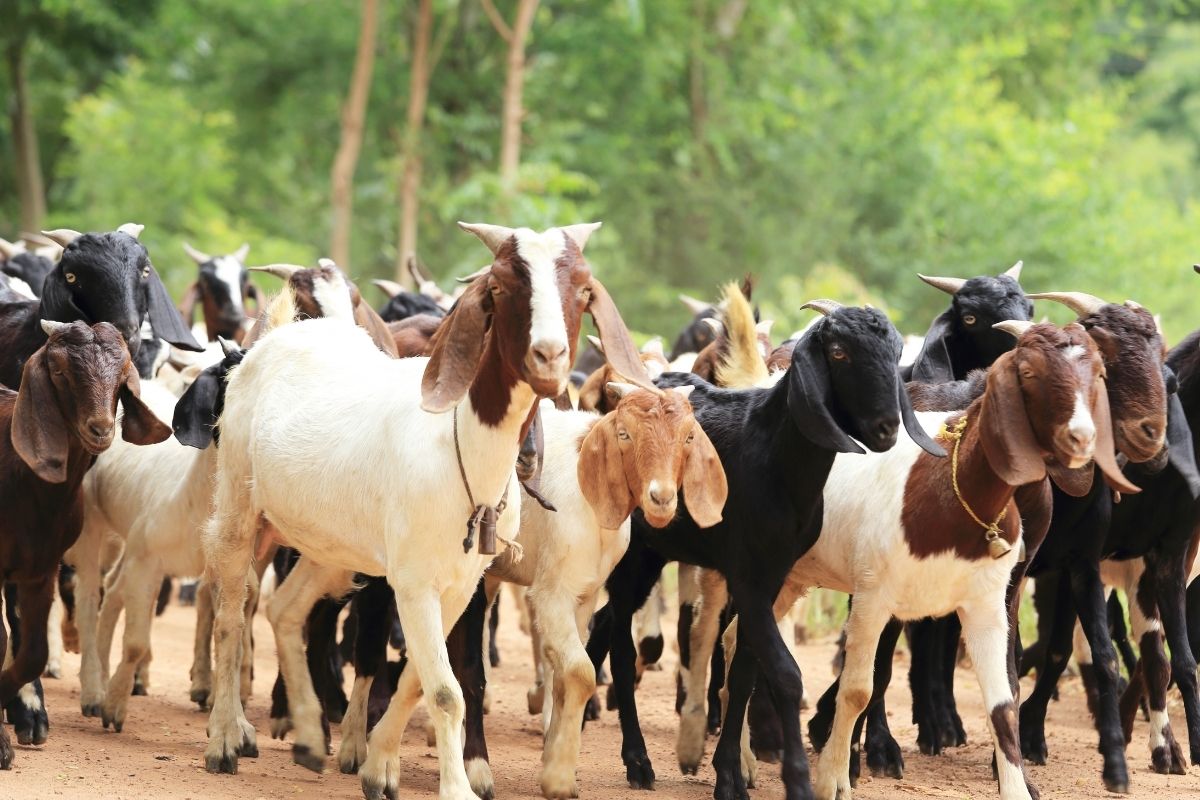
Goat farming is becoming an important source of supplementary income for small and marginal farmers because goats require less space and investment than large dairy animals. Agricultural research institutions are working on better breeds, feeding systems and health management to improve productivity and make goat farming more profitable.
For many rural households, goats provide income through milk, meat and the sale of young animals. Improving productivity can therefore create multiple income streams without requiring farmers to own large areas of land.
Breed selection plays an important role in dairy goat farming. Indigenous goats are well adapted to local conditions, but their milk production can vary considerably.
Research programmes are focusing on breeds and breeding strategies that combine higher milk production with adaptability to Indian climatic conditions. Farmers need animals that can maintain production while coping with local temperatures, feed availability and disease pressure.
Crossbreeding can also be considered where it is scientifically recommended and where farmers have access to proper veterinary support.
Feeding Has a Direct Impact
Genetics alone cannot determine milk production. Nutrition is equally important.
Goats require adequate energy, protein, minerals and clean drinking water for healthy growth and milk production. Farmers can reduce feed costs by using locally available fodder, crop residues and suitable green fodder while maintaining a balanced diet.
Agricultural experts recommend that farmers avoid sudden changes in feed and provide sufficient nutrition during pregnancy and lactation.
Disease prevention is another important part of goat farming.
Regular vaccination, deworming, clean housing and timely veterinary treatment can reduce losses. Farmers should also maintain separate areas for sick animals and keep newly purchased goats under observation before introducing them to the existing herd.
Good housing should remain dry and well ventilated. Overcrowding increases the risk of disease and can affect animal growth.
Opportunity for Small Farmers
Goat farming can be started on a relatively small scale and expanded gradually. Farmers can begin with a limited number of animals and increase herd size as they gain experience and develop reliable markets.
Women and young people can also participate in goat rearing because daily management does not require the same land or machinery investment as many crop-based enterprises.
Milk, meat, breeding animals and manure can all contribute to farm income.
Improving the Goat Farming Business
The future of goat farming will depend on combining suitable breeds with better nutrition, disease management and organised marketing.
Farmers should select breeds based on their local climate and the market they want to serve rather than choosing animals only because they produce high quantities of milk elsewhere.
With scientific breeding, proper feeding and regular veterinary care, goat farming can become a more productive livestock activity for small farmers. The focus needs to remain on animals that perform well under Indian conditions and provide farmers with dependable returns.
Also Read: Punarnava Jal – The world’s first organic fertilizer! Know how it is beneficial for farmers?
Contact us – If farmers want to share any valuable information or experiences related to farming, they can connect with us via phone or whatsapp at 9599273766 or you can write to us at “kisanofindia.mail@gmail.com”. Through Kisan of India, we will convey your message to the people, because we believe that if the farmers are advanced then the country is happy.
You can connect with Kisan of India on Facebook, Twitter, and Whatsapp and Subscribe to our YouTube channel.