



India has officially notified 16 newly registered livestock and poultry breeds, adding 13 indigenous and three synthetic breeds to the country’s recognised animal genetic resources. The breeds come from several states and include cattle, buffalo, goats, sheep, poultry, ducks, geese and mithun. The notification gives formal recognition to breeds developed and maintained in different regions.
The registrations were approved by the Breed Registration Committee of the ICAR-National Bureau of Animal Genetic Resources (NBAGR). The newly recognised breeds include Medini cattle from Jharkhand, Rohilkhandi cattle from Uttar Pradesh, Melghati buffalo from Maharashtra and Palamu goat from Jharkhand. They also include breeds from Uttarakhand, Nagaland, Odisha, Kerala, Manipur and Assam.
16 breeds recognised across India
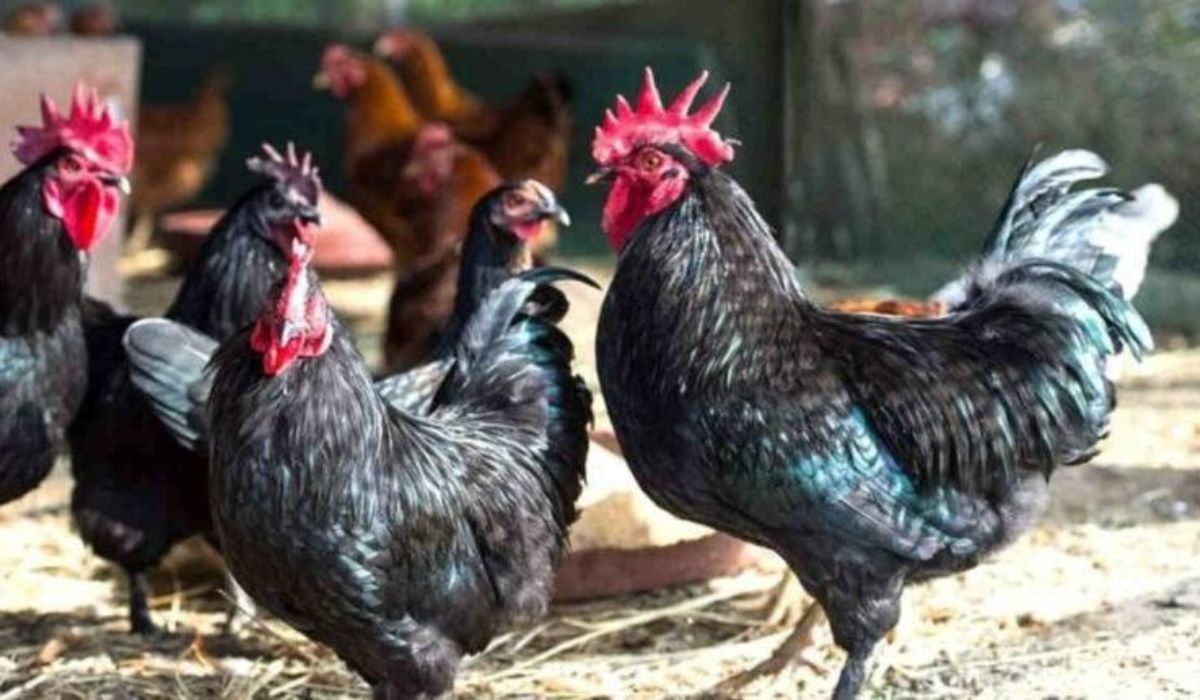
The list covers a wide range of animals. The indigenous breeds include Medini and Rohilkhandi cattle, Melghati buffalo, Palamu and Udaipuri goats, Nagami mithun, Mala chicken, Kodo and Kudu ducks, Kuttanad duck, Manipuri duck, Nagi duck and Rajdigheli geese. Three synthetic breeds were also registered: Karan Fries cattle, Vrindavani cattle and Avishaan sheep.
These breeds are closely linked to their local environments. The Palamu goat is from Jharkhand, while the Udaipuri goat comes from Uttarakhand. Nagami mithun is associated with Nagaland. Kuttanad duck comes from Kerala and Manipuri duck from Manipur. Such local breeds can provide farmers with livestock suited to the conditions in which they are traditionally reared.
The latest registrations take the number of registered indigenous animal breeds in India to 242, according to ICAR-NBAGR. The bureau’s records cover cattle, buffaloes, goats, sheep, horses and ponies, camels, pigs, donkeys, dogs, yaks and poultry. It serves as the country’s nodal agency for registration of livestock and poultry breeds.
What breed recognition means for farmers
Breed registration is not only about giving an animal population a formal name. It helps document its characteristics, geographical distribution and genetic identity. This record can support conservation work and future breeding programmes while helping protect local animal genetic resources.
ICAR says India’s breed registration programme began in 2008. The process provides national recognition to indigenous breeds and helps document their characteristics. Gazette notification also provides legal support for recognised breeds and can help create mechanisms for benefit sharing with animal keepers.
This matters for farmers who maintain local breeds that may receive less attention than commercially popular animals. Local livestock can carry traits developed through generations of adaptation to specific climates, feed conditions and production systems.
In January 2026, ICAR held a ceremony to recognise newly registered livestock and poultry breeds and honour farmers, breeders and other stakeholders involved in breed conservation. ICAR said 242 indigenous breeds had been registered by that stage, while breed conservation awards have been given since 2017.
Focus shifts towards local animal resources
The new registrations come as ICAR is placing greater focus on conserving and using India’s animal genetic resources. In July 2026, the National Advisory Board on Management of Genetic Resources reviewed measures to conserve and promote traditional and underused plant and animal breeds.
The board recommended identifying unexplored regions for genetic resource collection between 2026 and 2031. It also supported programmes to bring traditional and underused animal breeds into wider use. Such efforts could help connect breed conservation with livestock production and farmer livelihoods.
For farmers, the recognition of new breeds can create opportunities for better documentation, conservation and breed-specific development programmes. The next step will be to ensure that these recognised breeds receive support for breeding, animal health, feed management and market access.
India’s livestock diversity is spread across very different climates and farming systems. Recognising these breeds creates a formal record of that diversity and gives policymakers and researchers a clearer base for future livestock development.
Also Read: Punarnava Jal – The world’s first organic fertilizer! Know how it is beneficial for farmers?
Contact us – If farmers want to share any valuable information or experiences related to farming, they can connect with us via phone or whatsapp at 9599273766 or you can write to us at “kisanofindia.mail@gmail.com”. Through Kisan of India, we will convey your message to the people, because we believe that if the farmers are advanced then the country is happy.
You can connect with Kisan of India on Facebook, Twitter, and Whatsapp and Subscribe to our YouTube channel.