


India’s Scientists Have Built a Smart IoT Collar That Can Predict Stress and Track Yaks in Real Time

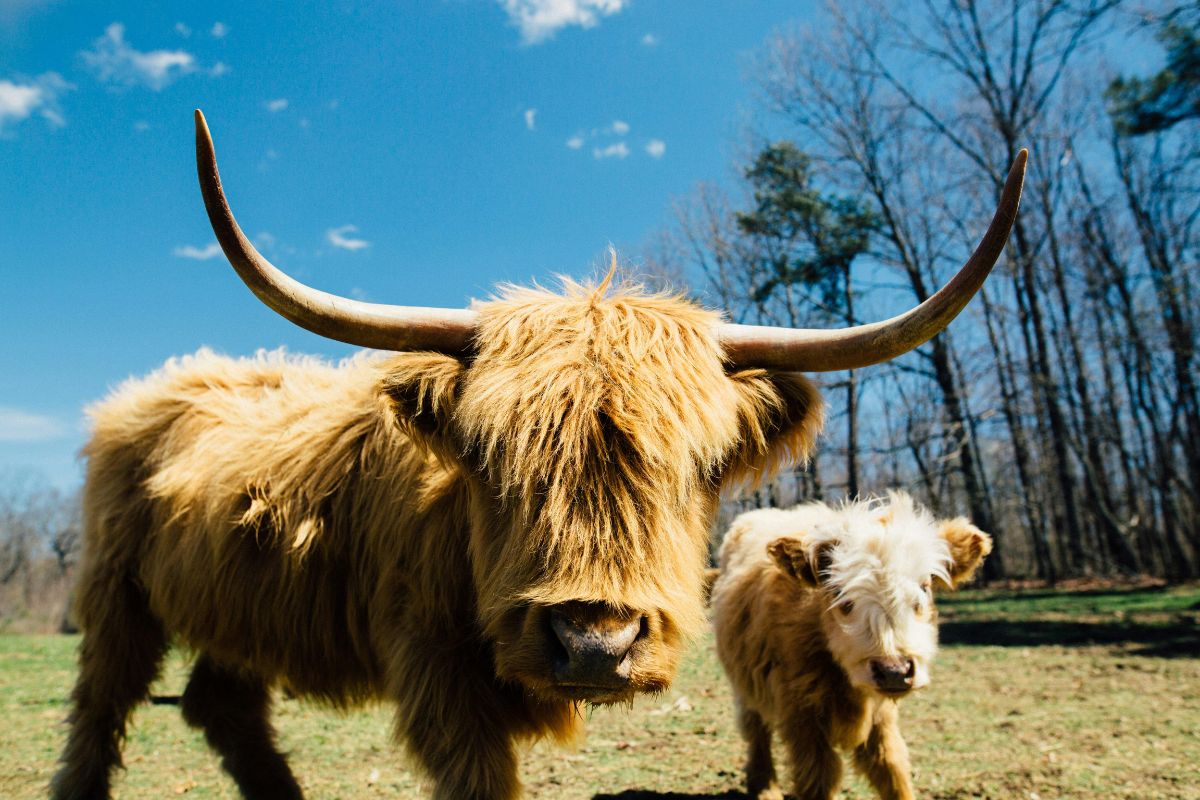
Monitoring livestock in high-altitude Himalayan regions has always been difficult. Yak herders often graze their animals across vast mountain pastures where spotting illness, stress or wandering animals can take hours or even days.
To address this challenge, scientists from the ICAR–National Research Centre on Yak (NRC Yak) and Assam Don Bosco University have developed an IoT-based smart monitoring system that continuously tracks yak health, predicts stress levels and alerts farmers if an animal strays beyond a designated grazing area. The technology, unveiled earlier this month, is designed specifically for remote mountain conditions where veterinary support is limited.
The smart device combines wearable sensors with Internet of Things (IoT) technology.
It continuously records key physiological and behavioural parameters that help indicate an animal’s health and stress level. The information is transmitted wirelessly, allowing farmers and researchers to monitor livestock without physically inspecting each animal every day.
Scientists say early detection of stress or illness can help prevent disease outbreaks and reduce livestock losses.
Geo-Fencing Prevents Animals From Wandering Away
One of the system’s most useful features is geo-fencing.
Farmers can define a virtual grazing boundary, and if a yak moves outside that area, the system automatically sends an alert. This helps prevent animals from getting lost in difficult mountain terrain and allows herders to respond quickly.
The technology is expected to improve livestock management while reducing the time spent searching for missing animals.
Unlike many commercial livestock-monitoring systems developed for intensive dairy farms, this technology was built for free-ranging yaks living in harsh environments.
The system addresses challenges such as long grazing distances, limited mobile connectivity and difficult terrain, making it more suitable for India’s Himalayan livestock production systems.
Researchers believe similar wearable technologies could eventually be adapted for other grazing animals raised in remote regions.
Although developed for yaks, the technology has applications far beyond the Himalayan region.
Wearable livestock monitoring systems could be adapted for cattle, buffaloes, sheep and goats, helping farmers detect illness earlier, improve breeding management and reduce mortality.
States such as Ladakh, Arunachal Pradesh, Sikkim, Himachal Pradesh and Uttarakhand could benefit immediately, while similar systems could later support dairy farmers in Punjab, Haryana, Gujarat and Karnataka.
As India expands digital agriculture, integrating wearable livestock sensors with veterinary advisory services could make animal healthcare more preventive than reactive.
Precision Livestock Farming Is Expanding
The yak monitoring system reflects a broader shift towards precision livestock farming, where sensors, artificial intelligence and real-time data help farmers manage animals more efficiently.
For mountain communities, it could reduce losses and improve animal welfare. For Indian livestock farming as a whole, it demonstrates how digital technologies can make veterinary care faster, more accurate and better suited to the realities of modern agriculture.
Also Read: Punarnava Jal – The world’s first organic fertilizer! Know how it is beneficial for farmers?
Contact us – If farmers want to share any valuable information or experiences related to farming, they can connect with us via phone or whatsapp at 9599273766 or you can write to us at “kisanofindia.mail@gmail.com”. Through Kisan of India, we will convey your message to the people, because we believe that if the farmers are advanced then the country is happy.
You can connect with Kisan of India on Facebook, Twitter, and Whatsapp and Subscribe to our YouTube channel.