



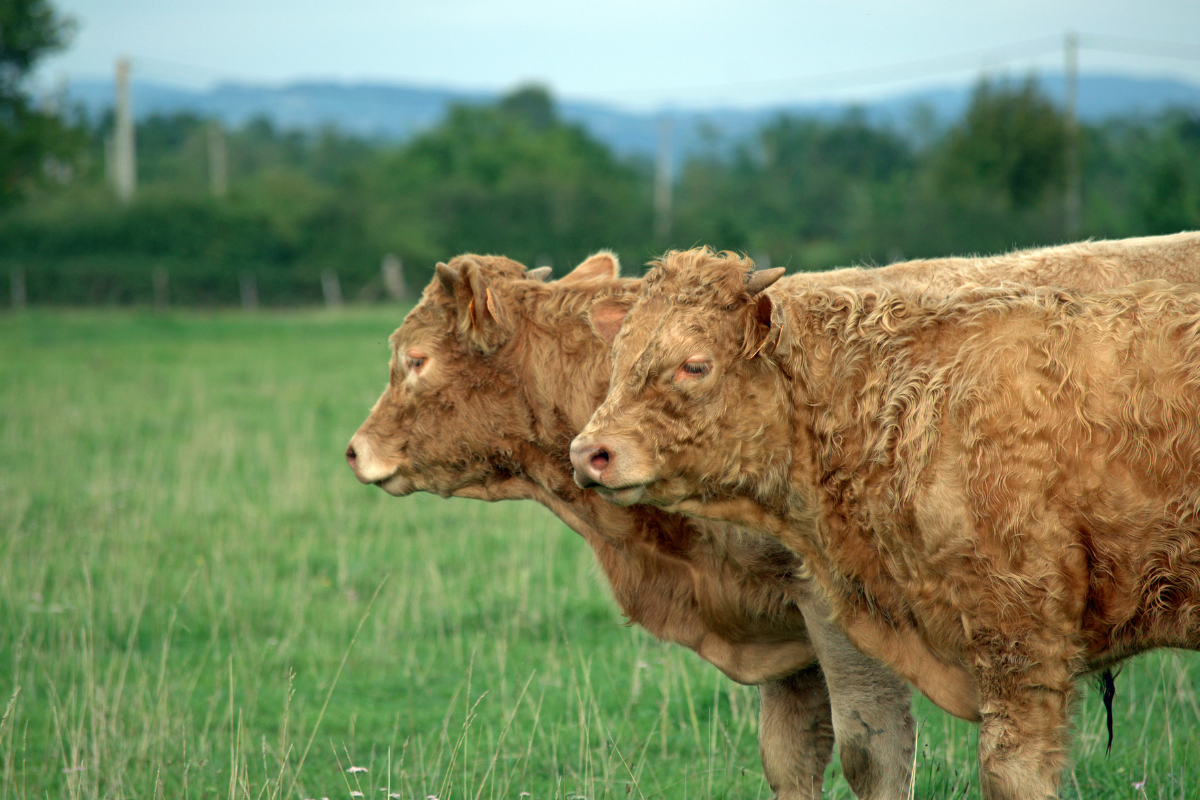
A cow that repeatedly returns to heat after insemination can increase feed, veterinary and breeding costs while delaying the next lactation. ICAR identifies repeat breeding as an important reproductive management issue and recommends attention to heat detection, artificial insemination, nutrition and reproductive health.
What is repeat breeding?
Repeat breeding generally refers to cows that show normal heat cycles but fail to become pregnant after several breeding attempts. The problem can involve several factors, including poor heat detection, unsuitable insemination timing, infections, nutritional deficiencies, reproductive disorders or problems affecting semen handling and artificial insemination.
Farmers should not assume that every repeat breeder needs hormonal treatment. The first step is identifying the underlying reason. A veterinarian can examine the animal and decide whether nutritional correction, treatment of infection, better breeding timing or another intervention is appropriate.
1. Watch for heat signs carefully
Successful artificial insemination depends partly on detecting heat at the right time. Farmers should observe cows for changes such as mounting behaviour, restlessness, increased activity and clear mucus discharge. Checking animals more than once daily can improve the chance of recognising these signs.
ICAR training on repeat breeding has highlighted timely heat detection as an important part of reproductive management. Farmers should record when heat is observed and share that information with the veterinary worker or artificial insemination technician before breeding.
2. Get the insemination timing right
Artificial insemination performed too early or too late in relation to ovulation can reduce the chance of conception. Farmers should therefore tell the technician exactly when heat signs were first noticed instead of simply requesting insemination whenever convenient.
The correct timing can vary according to the animal and local breeding protocol. Farmers should follow the advice of a qualified veterinary professional rather than attempting to calculate treatment or breeding schedules independently.
3. Check the cow’s nutrition
Poor nutrition can affect reproductive performance, particularly around calving and the beginning of lactation. Dairy animals need adequate energy, protein, minerals and vitamins to maintain body condition and reproductive function. Feed planning should account for milk production, pregnancy status and the animal’s physiological stage.
ICAR has recently highlighted balanced feeding and fodder management during training on repeat breeding. The programme discussed green fodder, silage, hydroponic fodder and other feed resources alongside reproductive care.
4. Do not ignore mineral deficiencies
Mineral shortages can contribute to poor reproductive performance, especially when animals receive unbalanced diets. Farmers should not give large amounts of supplements without advice. The type and quantity should depend on the animal’s diet, production stage and local feed conditions.
ICAR advisories recommend area-specific mineral mixtures for adult dairy animals as part of maintaining productivity and health. Farmers should ask their veterinarian or animal husbandry department about appropriate mineral supplementation rather than relying on commercially promoted combinations.
5. Check for reproductive infections
Uterine infections and other reproductive problems can interfere with conception. A cow that repeatedly fails to become pregnant may require a veterinary examination rather than another routine insemination. Signs such as abnormal discharge, fever, poor appetite or changes after calving should be reported promptly.
ICAR animal health camps have included diagnosis and management of anestrus, repeat breeding and uterine infections. Such services can help farmers identify problems that may otherwise remain untreated while repeated breeding increases costs.
6. Keep breeding records
Farmers should maintain a simple record for every breeding animal. The record can include calving date, heat dates, artificial insemination dates, semen details where available, pregnancy diagnosis and previous reproductive problems. These records help veterinarians understand patterns rather than treating each breeding attempt separately.
Good records can also show whether a cow is returning to heat regularly, whether conception occurred after a particular service or whether problems started after calving. This information can make veterinary examinations more focused and help farmers decide when further investigation is necessary.
7. Arrange pregnancy diagnosis
Farmers should not wait indefinitely to determine whether an inseminated cow has conceived. Veterinary pregnancy diagnosis can help identify non-pregnant animals and allow appropriate management. Early identification also prevents unnecessary delays in the animal’s breeding cycle and helps farmers plan feed and herd management.
The timing of pregnancy diagnosis should follow veterinary advice because the appropriate method depends on the period after breeding. Farmers should not rely only on the absence of visible heat because heat detection can sometimes be missed.
Housing and heat stress also matter
Reproductive performance is influenced by the animal’s overall environment. Poor ventilation, overcrowding and heat stress can affect dairy animals and may contribute to health and productivity problems. DAHD recommends shade, adequate airflow, clean water and cooling measures for livestock during high temperatures.
Farmers should keep sheds clean, dry and adequately ventilated while ensuring animals have continuous access to clean drinking water. During hot conditions, handling and other stressful activities should be reduced during the hottest hours. Comfortable housing becomes especially important for high-yielding dairy animals.
When farmers should call a veterinarian
A cow that repeatedly fails to conceive deserves a proper examination rather than repeated inseminations without investigation. Farmers should contact a veterinarian when the animal has repeated breeding failures, abnormal reproductive discharge, suspected infection, difficult calving history or other signs of reproductive illness.
Veterinary services can assess the reproductive tract, body condition and other factors before recommending treatment. ICAR’s recent farmer training on repeat breeding also stressed reproductive health care alongside nutrition, heat detection and artificial insemination.
Repeat breeding can quietly increase dairy production costs by extending the period between successful pregnancies and lactations. Farmers can reduce some risks through accurate heat detection, timely artificial insemination, balanced nutrition, mineral management, reproductive health checks and proper records. Veterinary examination remains important when conception repeatedly fails.
Also Read: Punarnava Jal – The world’s first organic fertilizer! Know how it is beneficial for farmers?
Contact us – If farmers want to share any valuable information or experiences related to farming, they can connect with us via phone or whatsapp at 9599273766 or you can write to us at “kisanofindia.mail@gmail.com”. Through Kisan of India, we will convey your message to the people, because we believe that if the farmers are advanced then the country is happy.
You can connect with Kisan of India on Facebook, Twitter, and Whatsapp and Subscribe to our YouTube channel.