



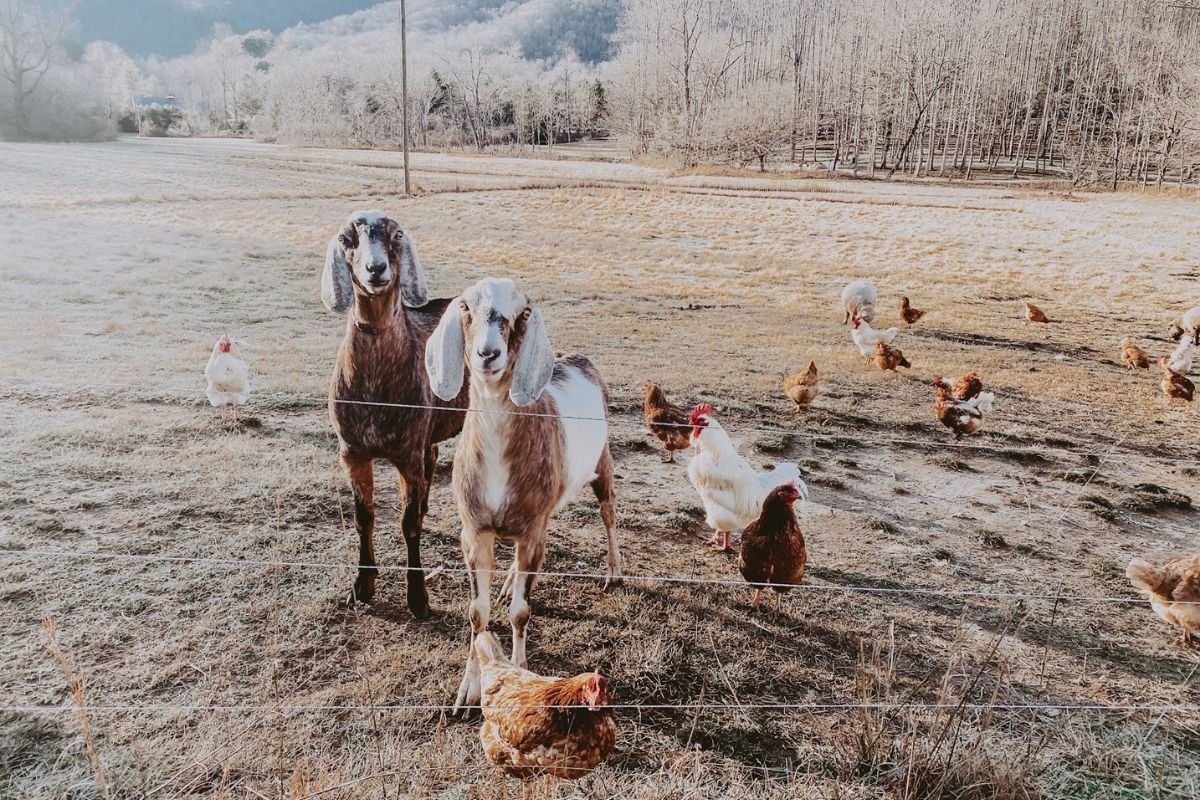
Across dry and drought-prone parts of India, goat farming is becoming one of the fastest-growing rural livestock activities. Farmers in Rajasthan, Maharashtra, Madhya Pradesh, Telangana, Uttar Pradesh, and parts of Karnataka are increasingly raising goats alongside crop farming as climate pressure and water shortages make traditional agriculture more uncertain.
Agriculture experts say goat farming attracts small farmers because it requires lower investment compared to dairy cattle or large livestock systems. Goats survive difficult climatic conditions better and need less feed and water than many larger animals. In regions where repeated droughts affect crop income, goats provide an alternative source of financial security.
Researchers say livestock diversification is becoming increasingly important because climate instability is reducing reliability of seasonal farming income.
Goats Survive Better in Harsh Conditions
One major reason behind the growth of goat farming is adaptability. Goats tolerate dry conditions and heat much better than many other livestock species. They can survive on shrubs, dry fodder, crop residue, and grazing resources available in semi-arid landscapes where other animals struggle.
Agriculture experts say this makes goats especially important in rainfed farming regions where fodder shortages become severe during summer periods. Indigenous breeds such as Sirohi, Osmanabadi, Black Bengal, Jamunapari, and Barbari are widely raised because they adapt well to local climatic conditions.
Researchers believe climate change may increase the importance of small livestock systems because water-intensive dairy farming is becoming more difficult in some regions.
Meat Demand Is Increasing Across India
India’s growing meat consumption is also driving expansion of goat farming. Goat meat, commonly sold as mutton in Indian markets, remains one of the most expensive and widely consumed meats across several states.
Agriculture market experts say demand increases sharply during festivals, weddings, and urban consumption periods. Because of this, goat farming often provides faster cash income compared to long seasonal crop cycles.
Some farmers now combine goat rearing with crop farming, poultry, or dairy activities to build multiple income sources instead of depending entirely on agriculture.
Women Play a Major Role in Goat Farming
Women remain central to goat farming across rural India. In many villages, women manage feeding, grazing, breeding, and healthcare for small livestock while also handling household agricultural work.
Self-help groups and rural livelihood missions are increasingly supporting women-led goat farming projects through loans, breed improvement programmes, and veterinary support systems. Agriculture experts say goat farming works well for rural women because small herds can be managed close to home with relatively low infrastructure costs.
Several state livelihood programmes now promote goat rearing as part of rural income diversification strategies.
Goat Farming Is Becoming More Commercial
Traditional backyard goat farming is slowly becoming more organized. Farmers are increasingly using improved breeds, vaccination schedules, scientific feeding systems, and digital livestock marketplaces to improve profitability.
Some rural entrepreneurs now run commercial goat farms supplying meat markets in nearby cities. Agriculture experts say organized goat farming may expand further because urban meat demand continues rising steadily.
Researchers are also studying fodder management and breed improvement systems to increase productivity under climate-stressed conditions.
Disease and Veterinary Care Remain Challenges
Despite rapid growth, goat farming still faces serious challenges. Disease outbreaks remain one of the biggest risks for small livestock owners, especially where veterinary services remain weak. Farmers often lose animals due to delayed treatment or poor vaccination coverage.
Agriculture experts say improving rural veterinary infrastructure is essential because livestock diseases directly affect farmer income and rural food security.
Fodder availability also becomes difficult during prolonged drought periods, especially in overgrazed regions.
Goats Are Becoming Part of Climate-Resilient Farming
Agriculture experts increasingly describe goat farming as a climate-resilient rural livelihood system. Small livestock requires less water, lower investment, and smaller land resources compared to many commercial farming activities.
For millions of small farmers, goats provide financial flexibility during crop failures and uncertain rainfall seasons. Researchers believe mixed farming systems combining crops and livestock may become increasingly important as climate pressure grows across Indian agriculture.
In many dry villages, goats are no longer viewed as secondary livestock.
They are becoming central to rural survival strategies.
Also Read: Punarnava Jal – The world’s first organic fertilizer! Know how it is beneficial for farmers?
Contact us – If farmers want to share any valuable information or experiences related to farming, they can connect with us via phone or whatsapp at 9599273766 or you can write to us at “kisanofindia.mail@gmail.com”. Through Kisan of India, we will convey your message to the people, because we believe that if the farmers are advanced then the country is happy.
You can connect with Kisan of India on Facebook, Twitter, and Whatsapp and Subscribe to our YouTube channel.